TermLink Fiber Files
Your Source for Real-World Fiber Expertise
Here you’ll find practical knowledge straight from the jobsite — splicing techniques, OTDR testing, design considerations, restoration workflow, and the details that make or break a network. If you build, maintain, or manage fiber, this is where you stay sharp.
OUR BLOGS
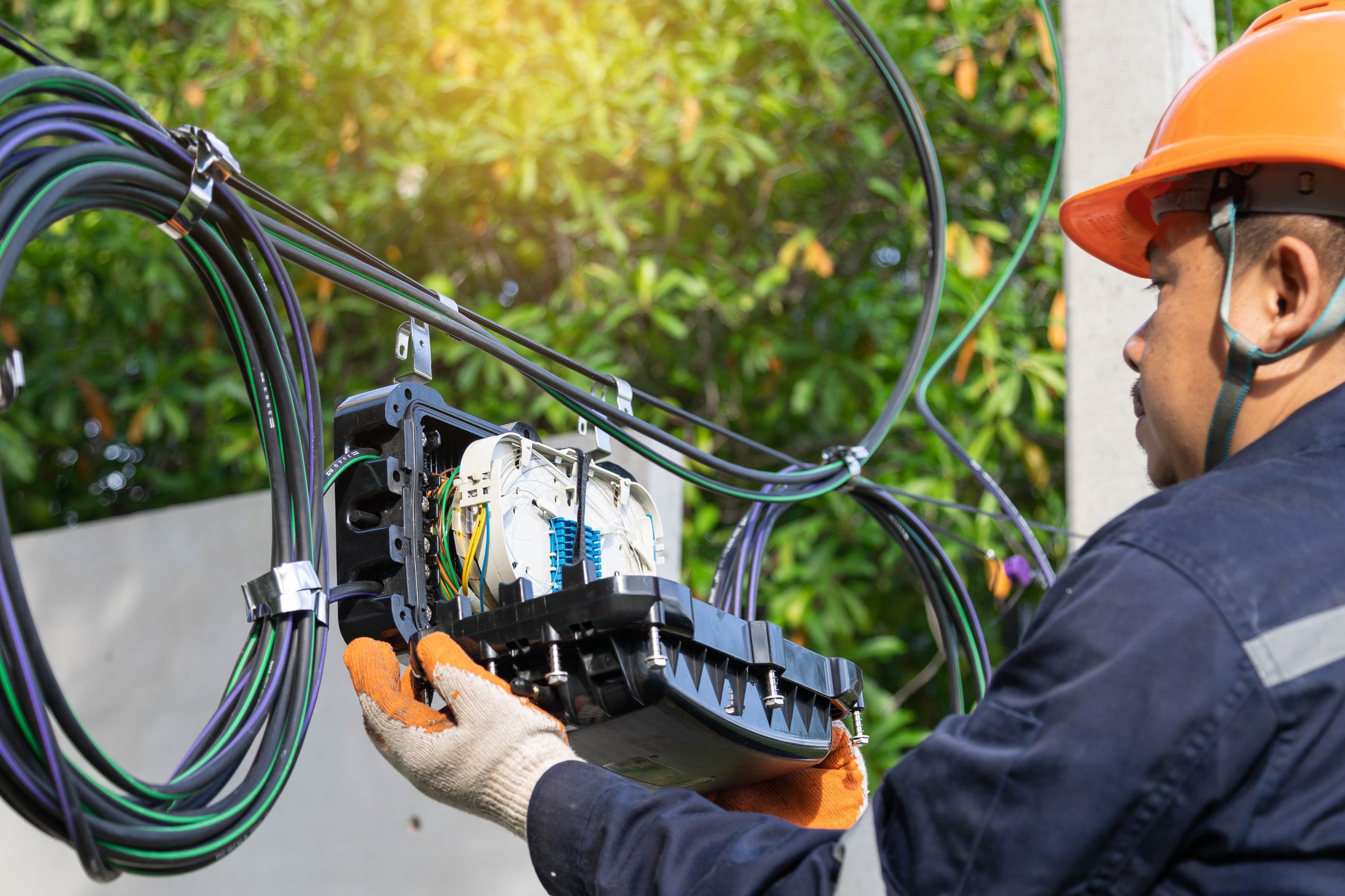
BEAD Funding 2026: How Fiber Construction Companies Help You Win Grants
The BEAD Program's $42.45 billion in federal broadband funding enters its construction phase in spring 2026, with states finalizing grant agreements and preparing for rapid deployment. For ISPs, rural broadband managers, and municipalities pursuing BEAD funding, your fiber construction partner isn't just an execution detail—they're critical to winning competitive grants and meeting strict federal compliance requirements. The right construction company strengthens your application by demonstrating technical capacity, providing realistic cost estimates, meeting workforce and labor standards, and ensuring post-award compliance with documentation, cybersecurity, and four-year completion deadlines. With compressed timelines and rigorous federal requirements, applicants who demonstrate established relationships with proven construction partners gain competitive advantage in scoring and execution capability.
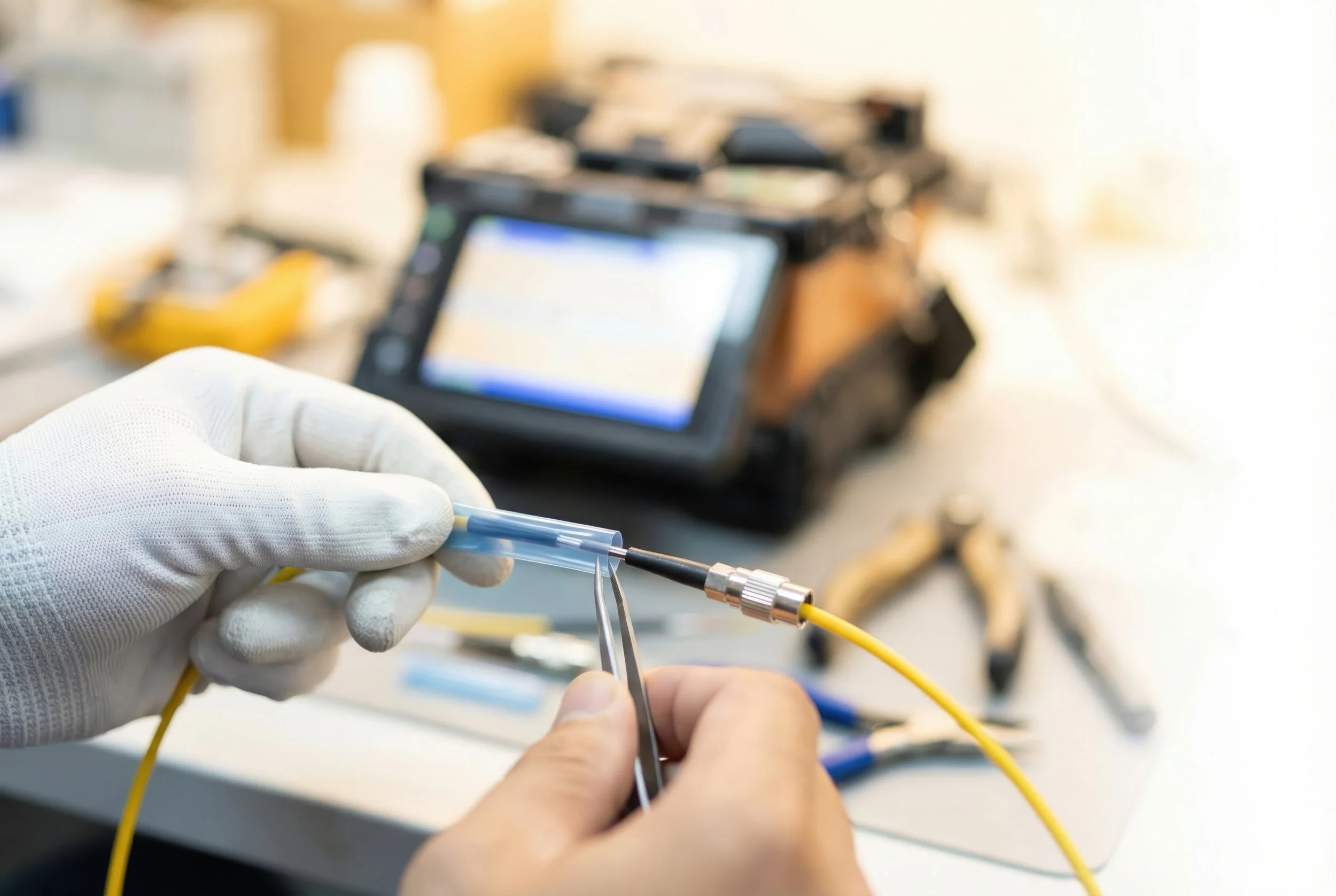
5 Signs Your Fiber Installation Partner Isn't Meeting Industry Standards
Fiber optic networks represent decades-long infrastructure investments. Whether you're deploying municipal broadband, expanding rural ISP coverage, or upgrading telecom networks, your installation partner's quality determines long-term reliability. Unfortunately, not all fiber contractors operate at the same professional level. Some cut corners on OTDR testing, skip documentation, or lack proper equipment and training. These shortcuts create costly problems: no baseline for troubleshooting, poor network performance, maintenance headaches, and shortened service life. Learn the five critical warning signs that your fiber installation contractor may not meet industry standards—from incomplete test results and missing as-built records to poor splice quality and communication failures. Catch these red flags early to protect your network investment.
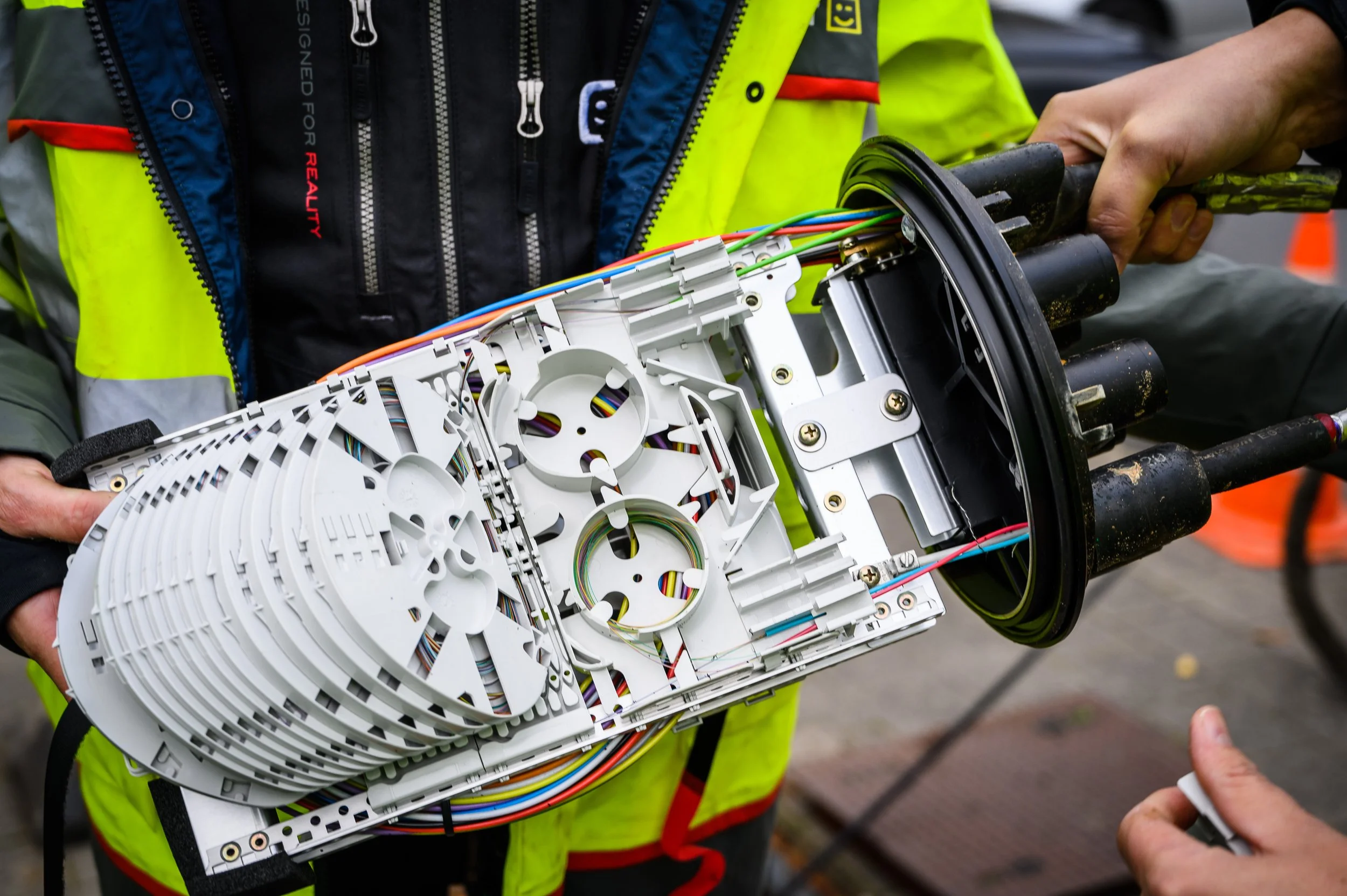
What Is Mid-Span Access in Fiber Networks
Mid-span access allows technicians to expand or maintain fiber networks without cutting the entire cable. This guide explains how the process works and why it matters for scalable aerial fiber infrastructure.
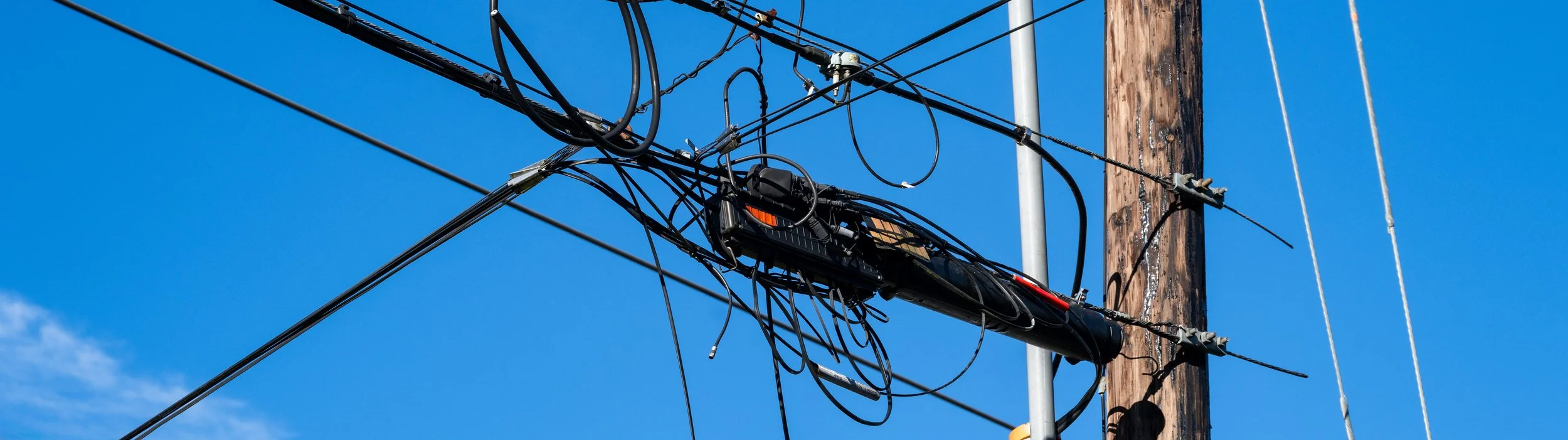
The 10-Year Maintenance Plan Every Fiber Network Should Have
Aerial fiber infrastructure requires more than installation. This guide outlines the 10-year maintenance plan every fiber network should follow to ensure reliability, compliance, and long-term performance.
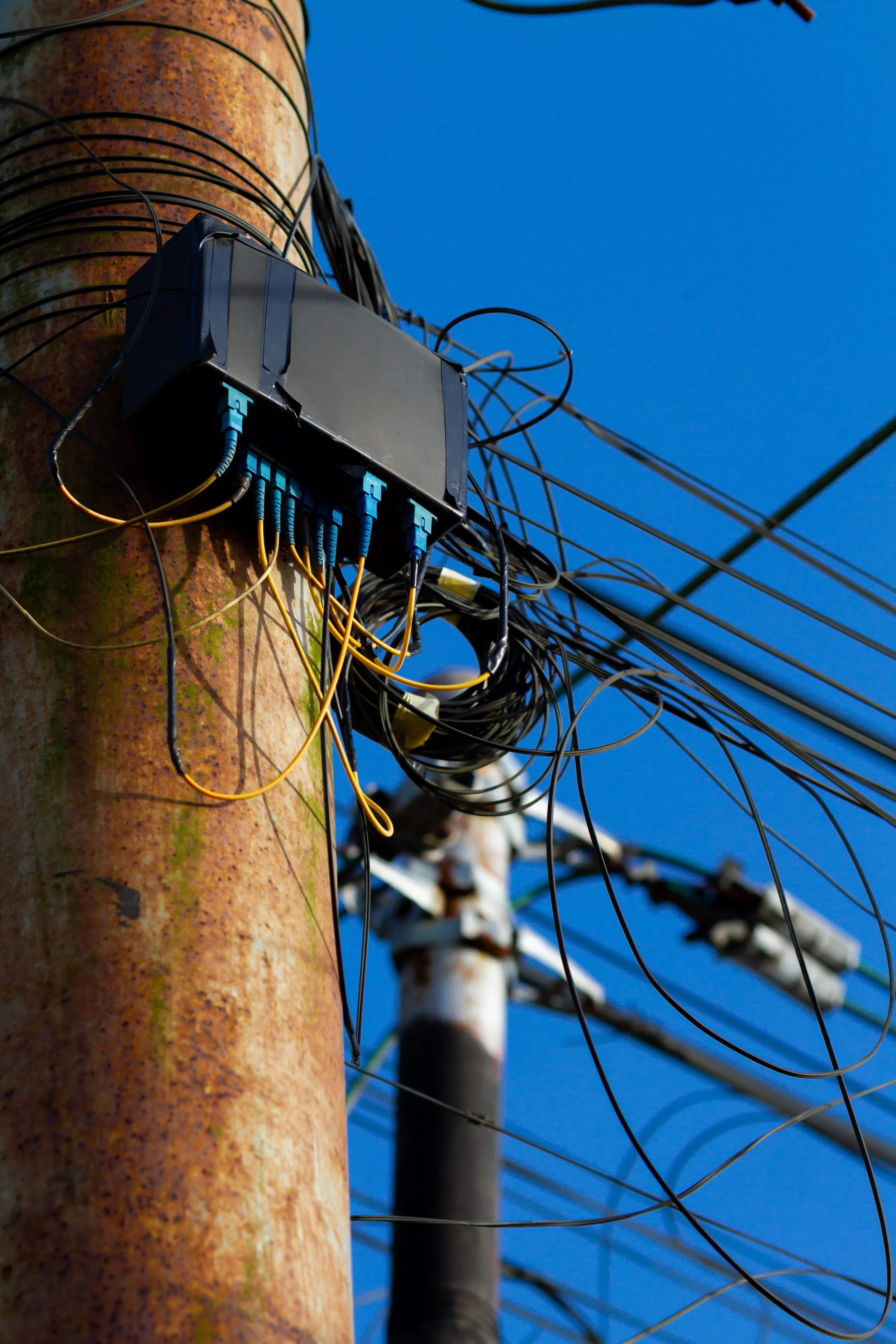
A Guide to Utility Pole Attachment Agreements
Utility pole attachment agreements are critical to compliant aerial fiber deployment. This guide explains regulations, make-ready work, engineering standards, fees, and why structured compliance matters in 2026

Top 10 States Investing the Most in Broadband Expansion in 2026
Broadband expansion in 2026 is accelerating across the country. Discover the top 10 states investing the most in fiber infrastructure and what these large-scale deployment efforts mean for communities and connectivity.

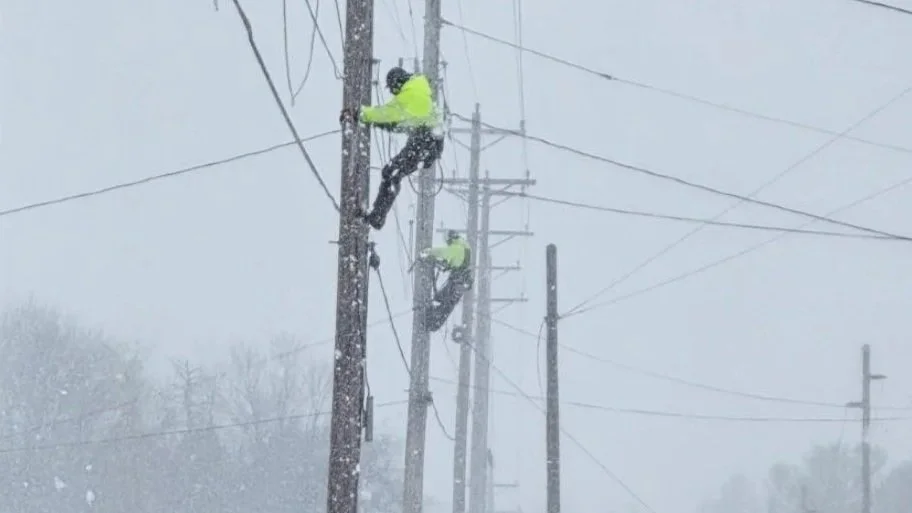
How Storm Fiber Restoration Actually Works: Step by Step
Storm damage to aerial fiber requires more than quick repairs. This step-by-step guide explains how professional storm fiber restoration works, from assessment and utility coordination to splicing, testing, and documentation.
Why Standards Will Be the Defining Factor for Contractors in 2026
Marketing can start a conversation, but standards determine long-term credibility. As infrastructure projects grow more complex in 2026, disciplined execution, accountability, and repeatable processes are replacing messaging as the true competitive advantage.
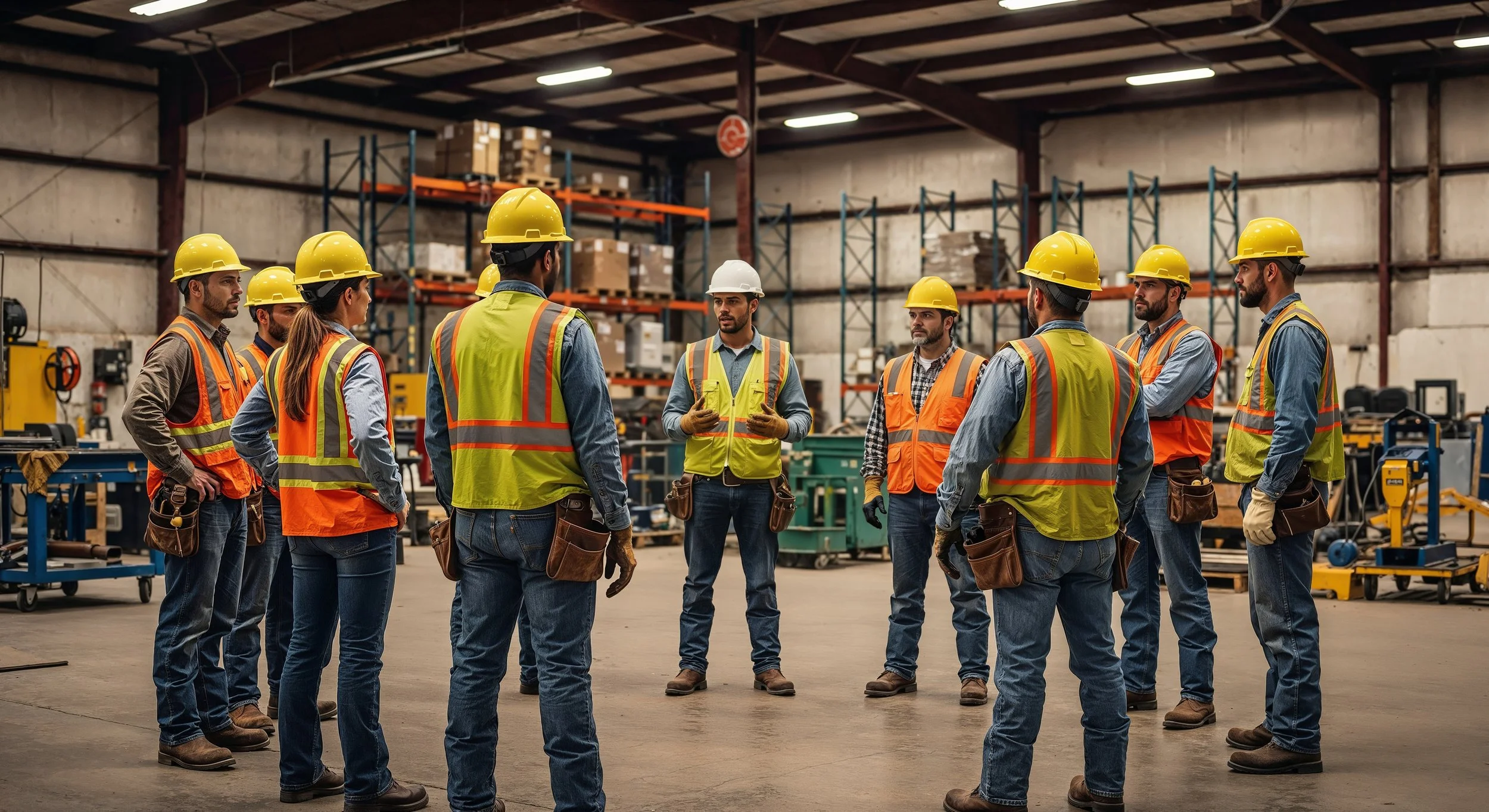
Why Predictability Is Replacing Hustle Culture in the Trades
Hustle culture once defined the trades. In 2026, predictability is becoming the true marker of strong teams. Here’s why disciplined execution, stable leadership, and structured workflows are replacing constant urgency in infrastructure environments.
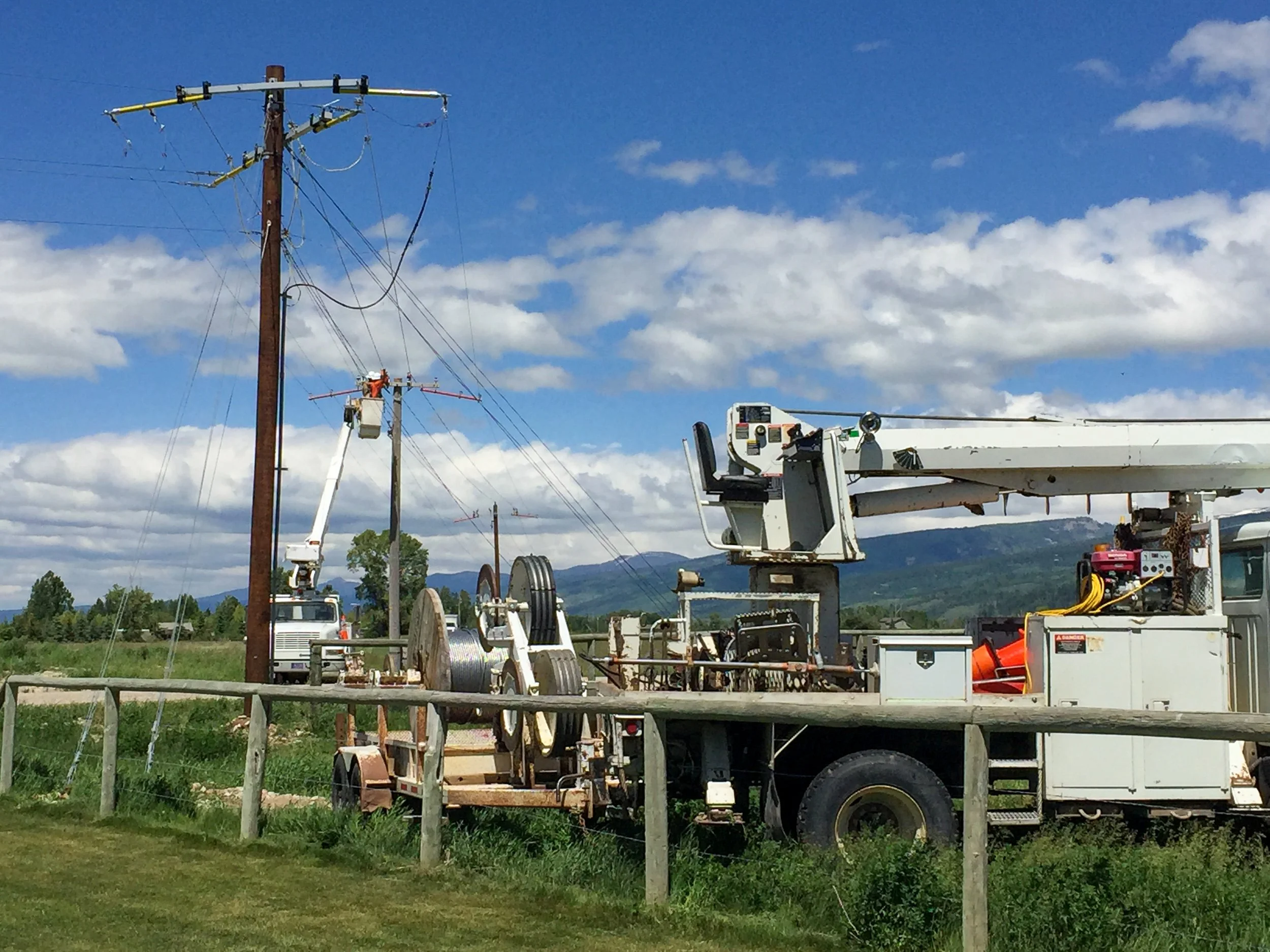
Why Turnover Will Cost Infrastructure Teams More in 2026 Than Ever Before
Turnover is no longer just an HR issue. In 2026, workforce instability is directly impacting execution risk, leadership capacity, and infrastructure performance. Here’s why retention is becoming a competitive advantage.
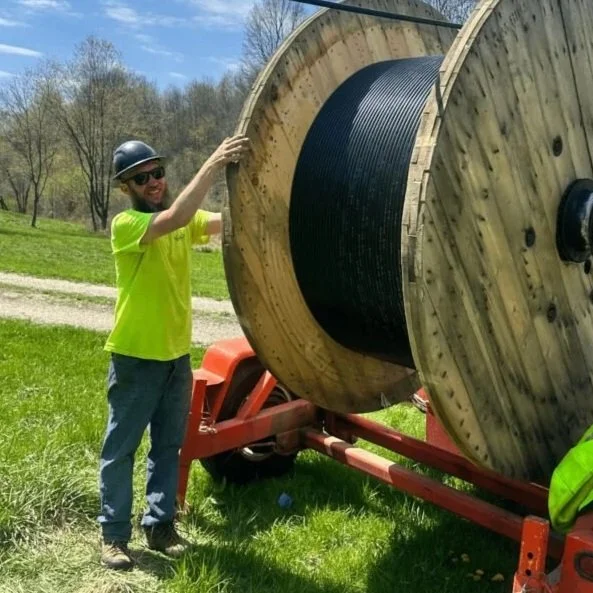
What the Next Generation of Trade Professionals Is Actually Looking For
The next generation of trade professionals is redefining what a good work environment looks like. Clarity, professionalism, and stability now matter more than noise.

Why Workforce Retention Is Becoming a Risk Management Issue
Workforce retention is no longer an HR issue alone. In 2026, it directly affects execution quality, operational risk, and project predictability.
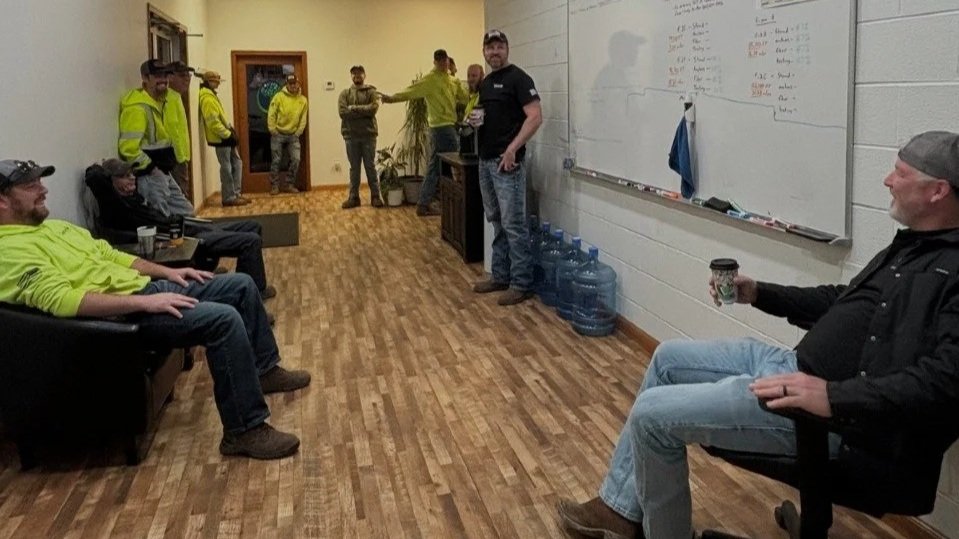
The Leadership Shift Happening Quietly Across the Trades
Leadership in the trades is evolving. Calm, consistent leaders are replacing loud management, improving trust, performance, and retention as 2026 approaches.
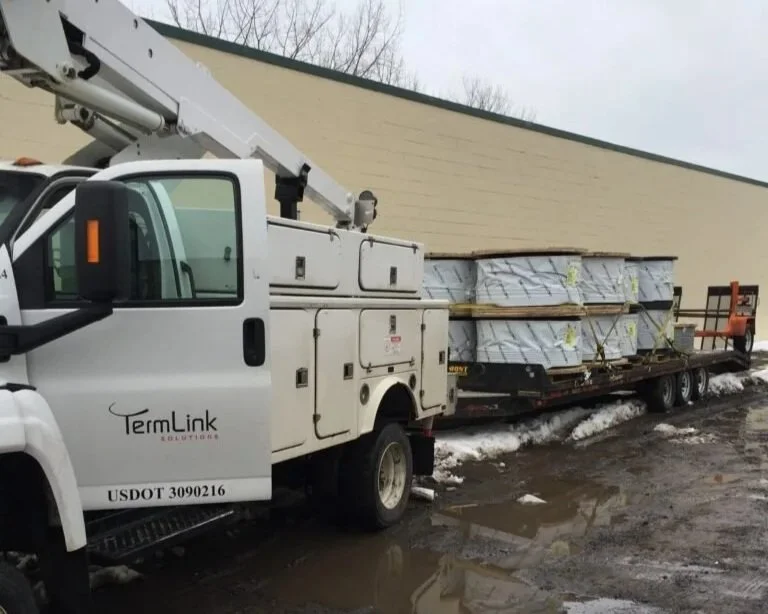
Why Experienced Workers Are Choosing Predictable Job Sites
Experienced workers are becoming more selective. Predictable job sites signal professionalism, reduce friction, and support long-term performance in 2026.
Why Stable Crews Will Outperform Larger Crews in 2026
In infrastructure work, bigger teams do not guarantee better outcomes. Stable crews deliver stronger execution, lower risk, and more predictable performance in 2026.
How Disciplined Teams Are Quietly Setting the New Industry Standard
Disciplined infrastructure teams are setting a new industry standard by delivering consistent outcomes without urgency or noise. As projects grow more complex, discipline, predictability, and steady execution are becoming the real signals of strength going into 2026.
Why “Fast” Is Losing Its Meaning in Modern Infrastructure Work
“Fast” has long been treated as a competitive advantage in infrastructure work. As projects grow more complex, speed without structure is losing its meaning. This article explores why consistent execution, operational discipline, and sustainable pace are becoming the real indicators of capability going into 2026.
The Risk Most Infrastructure Teams Are Underestimating Going Into 2026
The greatest risk facing infrastructure teams in 2026 is not external disruption. It is operational inconsistency. Small execution gaps, unstable teams, and shifting standards quietly compound risk long before a project appears off track.
Why Professional Job Sites Are Becoming a Talent Advantage
Professional job sites are becoming a competitive advantage as skilled workers grow more selective. In 2026, stability, clear expectations, and consistent standards are driving attraction, retention, and long-term workforce strength.
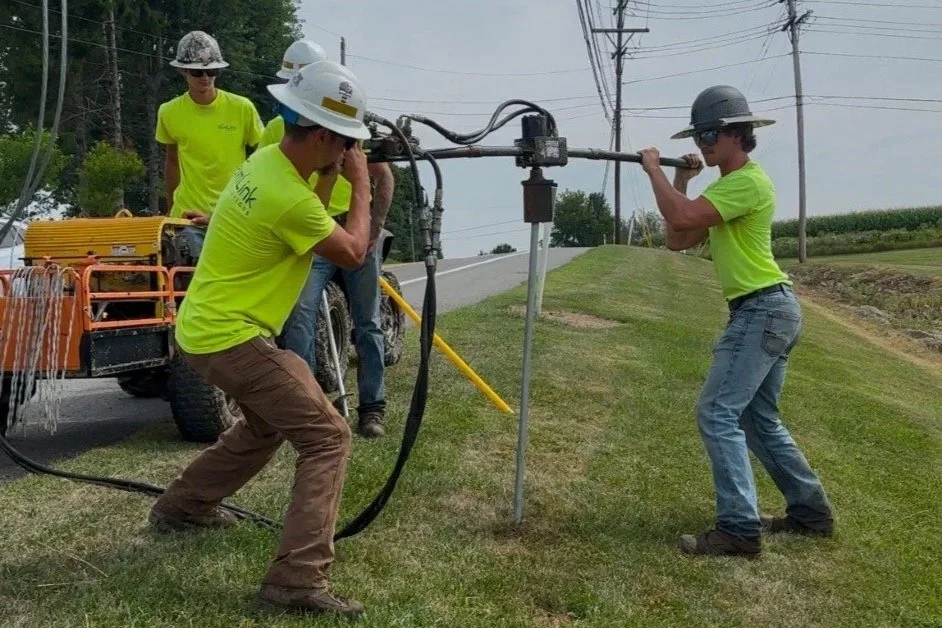
What Owners and Partners Will Expect From Contractors in 2026
Speed and availability are no longer enough. As infrastructure projects grow more complex, owners and partners are prioritizing predictability, accountability, and disciplined execution when evaluating contractors in 2026.
TECH DOCS