Why Predictability Is Replacing Hustle Culture in the Trades
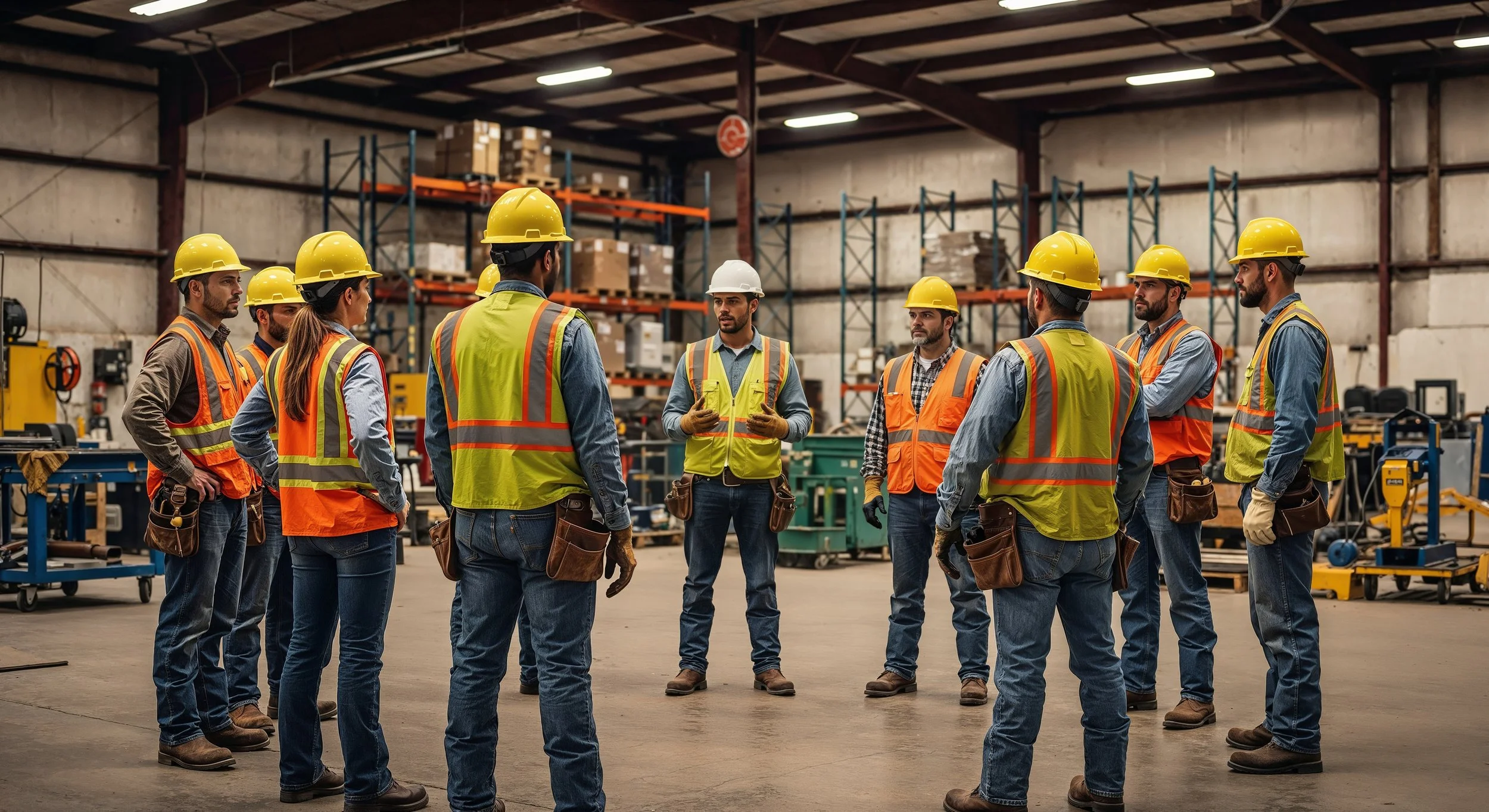
For years, hustle culture has been worn like a badge of honor in the trades.
Long hours. Constant urgency. The expectation that pressure is proof of commitment.
That mindset is starting to lose credibility.
As the industry moves toward 2026, predictability is replacing hustle culture as the marker of strong teams. Not because the work has become easier, but because expectations have become clearer.
Hustle Culture Was Built for a Different Era
Hustle culture thrived when projects were smaller, teams were tighter, and fewer variables existed.
When systems were informal, pushing harder felt like the fastest way forward.
Today’s infrastructure environment is different:
Projects are larger and more interconnected
Schedules overlap across teams
Stakeholders expect fewer surprises
Risk tolerance is lower
In this context, constant urgency creates instability rather than progress.
Predictability Enables Better Performance
Predictability does not mean slowing down.
It means teams know:
What is expected
How work is executed
How decisions are made
How changes are communicated
Disciplined execution in the trades allows teams to maintain momentum without relying on stress or constant correction.
When workflows are predictable, performance becomes repeatable.
Hustle Creates Short-Term Output, Not Long-Term Strength
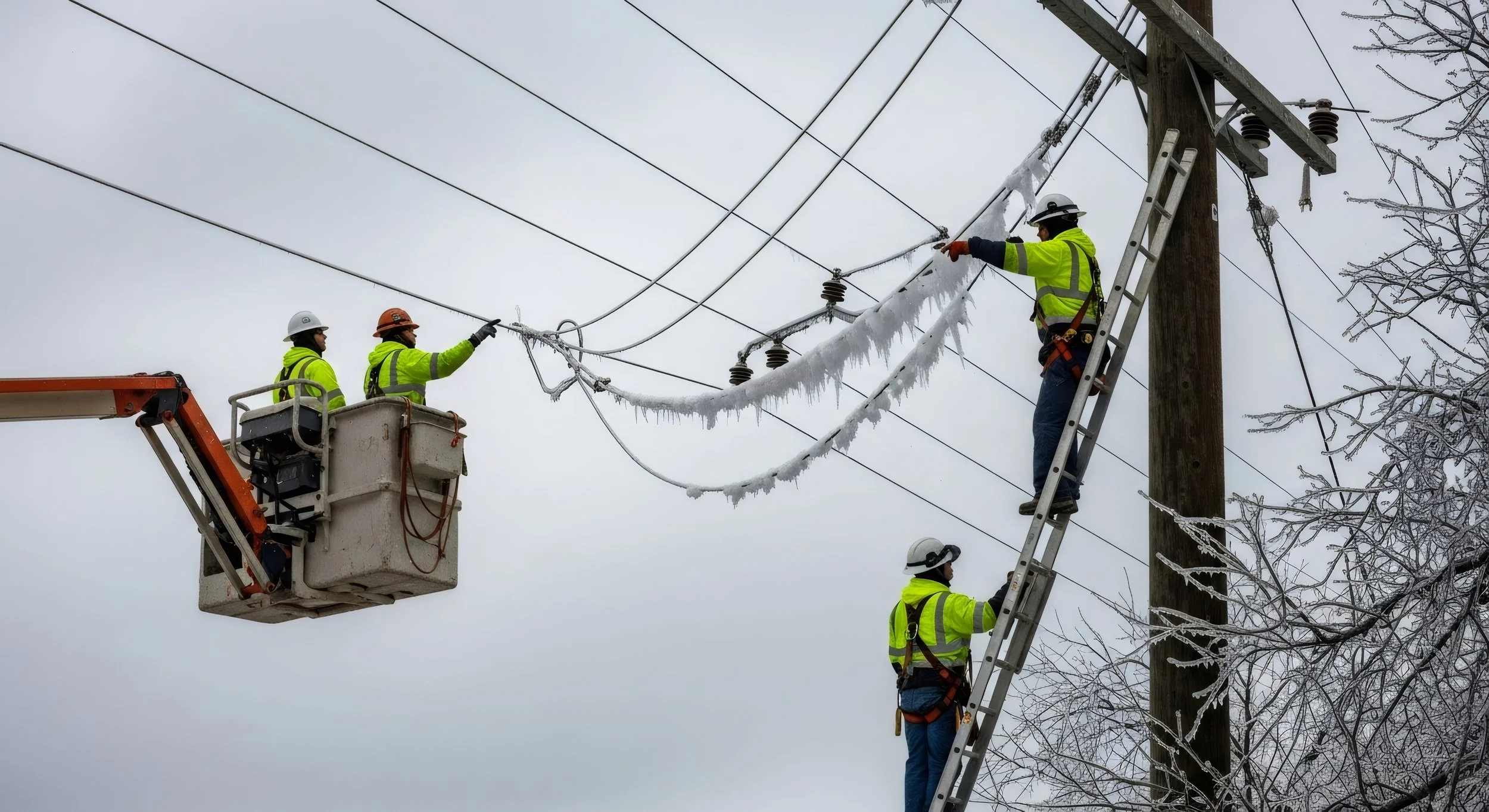
Hustle culture often delivers visible activity, but at a cost.
Over time, constant urgency leads to:
Burnout
Inconsistent quality
Communication breakdowns
Increased turnover
Leadership fatigue
Sustainable performance in infrastructure requires rhythm, not chaos.
Teams that rely on hustle tend to peak quickly and decline just as fast. Teams built on predictability maintain performance longer and with fewer disruptions.
The Workforce Is Rejecting Chaos
One of the strongest signals driving this shift is workforce behavior.
Skilled professionals are choosing environments where:
Schedules are reliable
Leadership is consistent
Expectations do not change daily
Pressure is managed, not celebrated
Trade workforce culture is evolving. Predictability is now viewed as a sign of professionalism, not complacency.
This is especially true among experienced workers and the next generation entering the trades.
Predictability Reduces Risk
Operational predictability reduces risk across every phase of a project.
When teams operate predictably:
Fewer mistakes occur
Issues are identified earlier
Rework is minimized
Oversight requirements decrease
Hustle-driven environments increase variability. Predictable environments reduce it.
As risk management becomes more central to infrastructure work, predictability becomes a strategic advantage.
Leadership Sets the Tone
This shift starts at the leadership level.
Leaders who prioritize predictability:
Plan proactively
Communicate clearly
Hold consistent standards
Avoid unnecessary escalation
In contrast, leaders who glorify hustle often create environments where urgency replaces preparation.
Calm, disciplined leadership reinforces predictability and builds trust across teams.
Predictability Is Not the Enemy of Ambition
There is a misconception that predictability limits growth.
In reality, predictability supports growth by:
Allowing teams to scale without chaos
Retaining experienced professionals
Protecting execution quality
Building long-term credibility
Ambitious teams succeed when they can repeat success, not just achieve it once.
What This Means Going Into 2026
As infrastructure work continues to evolve, hustle culture will become a liability rather than a strength.
Teams that embrace predictability will:
Operate with less friction
Retain stronger talent
Reduce operational risk
Deliver more consistent outcomes
By 2026, predictability will not be a differentiator. It will be an expectation.
Final Thought
The strongest teams in the trades are no longer defined by how hard they push.
They are defined by how reliably they execute.
As hustle culture fades, predictability is quietly becoming the foundation of modern trade excellence.
