The Risk Most Infrastructure Teams Are Underestimating Going Into 2026
When infrastructure teams talk about risk, the focus is usually predictable.
Schedules. Budgets. Supply chains. Weather. Permits.
These are all real considerations. But heading into 2026, the most damaging risk facing infrastructure projects is not the one showing up in spreadsheets or timelines.
It is operational inconsistency.
Not dramatic failures. Not catastrophic mistakes. But the slow, compounding impact of inconsistent execution, unstable teams, and shifting standards that quietly undermine performance long before a project appears “off track.”
Risk Is No Longer Just External
Historically, risk planning focused on external forces. Delays caused by materials. Changes driven by permitting. Conditions outside a team’s control.
That framing no longer tells the full story.
As projects increase in scale and complexity, internal execution risk is becoming just as significant. Small inconsistencies now ripple faster and farther across interconnected schedules, partners, and stakeholders.
Infrastructure project risk in 2026 is increasingly created inside the operation, not outside it.
Inconsistency Creates Invisible Exposure
Inconsistency rarely triggers alarms early.
It shows up as:
Slightly different execution across crews
Varying communication standards
Shifting expectations depending on conditions
Leadership decisions that change under pressure
Individually, these issues seem manageable. Collectively, they create operational risk that is difficult to measure until consequences appear.
By the time problems become visible, they are often expensive to correct.
Workforce Instability Is a Risk Multiplier
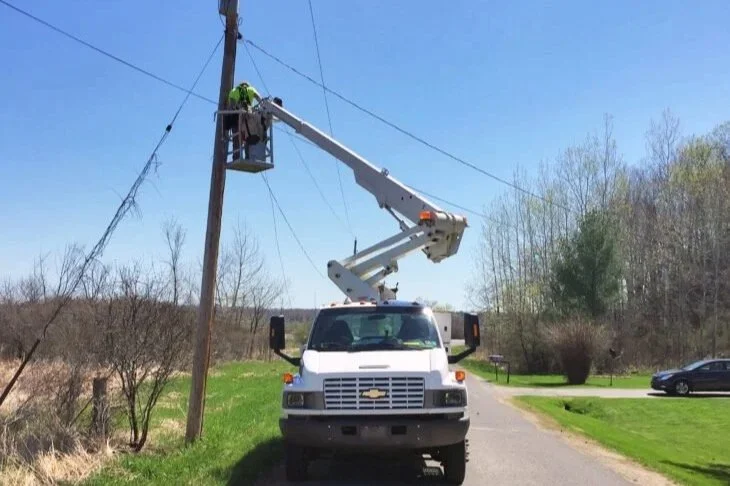
One of the most underestimated contributors to infrastructure risk is workforce instability.
High turnover, inconsistent leadership, and rotating crews introduce variables that disrupt execution. Each change increases the likelihood of misalignment, rework, and delays.
Workforce instability in construction is not just a hiring challenge. It is an execution risk that compounds over time.
Stable teams build rhythm. They communicate better. They anticipate issues earlier. They protect standards even under pressure.
As 2026 approaches, teams that fail to recognize workforce stability as a risk factor will struggle to maintain consistent performance.
Speed Can Increase Risk When Systems Are Weak
Speed is often framed as a solution to risk. Faster mobilization. Faster timelines. Faster closeouts.
But without strong systems, speed amplifies problems rather than solving them.
Execution risk in infrastructure projects increases when:
Processes are unclear
Expectations are not standardized
Communication relies on individuals rather than systems
Leadership decisions vary day to day
In these environments, moving faster only accelerates mistakes. What appears efficient in the short term often creates greater exposure later.
Standards Are a Risk Control, Not a Constraint
Another misunderstanding heading into 2026 is the role of standards.
Standards are sometimes viewed as limiting flexibility or slowing progress. In reality, they are one of the strongest risk controls available.
Consistent standards:
Reduce decision fatigue
Create predictable outcomes
Support safer job sites
Protect quality under pressure
Infrastructure teams that treat standards as optional increase their risk profile, even when results look acceptable on the surface.
Contractor reliability and risk are now closely linked. Teams that operate with discipline are easier to trust, easier to partner with, and easier to manage.

Communication Gaps Carry Long-Term Consequences
Communication failures are rarely catastrophic on their own. They are subtle and cumulative.
Missed updates. Assumptions. Delayed escalation. Inconsistent messaging between leadership and the field.
These gaps create friction that weakens trust and slows response times when conditions change.
In 2026, infrastructure partners will expect communication systems that support consistency, not constant correction. Teams that rely on informal or reactive communication will face higher operational risk over time.
Why This Risk Is Often Overlooked
Operational inconsistency is underestimated because it does not announce itself.
Projects can appear successful while still accumulating hidden risk. Timelines may hold. Work may be completed. But stress builds beneath the surface.
Leadership teams are often too close to daily execution to see the pattern until outcomes begin to slip.
By the time inconsistency is acknowledged as a risk, it has usually become entrenched.
What Forward-Thinking Teams Are Doing Differently
Teams preparing for 2026 are reframing how they think about risk.
They are:
Prioritizing stable leadership and crews
Investing in repeatable processes
Holding standards steady across conditions
Treating consistency as a performance metric
Addressing execution risk before it escalates
These teams understand that the absence of visible problems does not equal the absence of risk.
What This Means Going Into 2026
As infrastructure investment continues and expectations rise, tolerance for inconsistency will shrink.
Owners and partners will favor teams that:
Operate predictably
Communicate clearly
Maintain discipline under pressure
Reduce the need for oversight
The risk most infrastructure teams are underestimating is not what might happen. It is what is already happening quietly inside their operations.
Final Thought
Risk in 2026 will not be defined solely by external challenges.
It will be defined by how consistently teams execute when conditions change, pressure increases, and complexity grows.
The infrastructure teams that recognize this early will reduce exposure before it becomes visible. The rest will address it only after it becomes costly.
