A Guide to Utility Pole Attachment Agreements
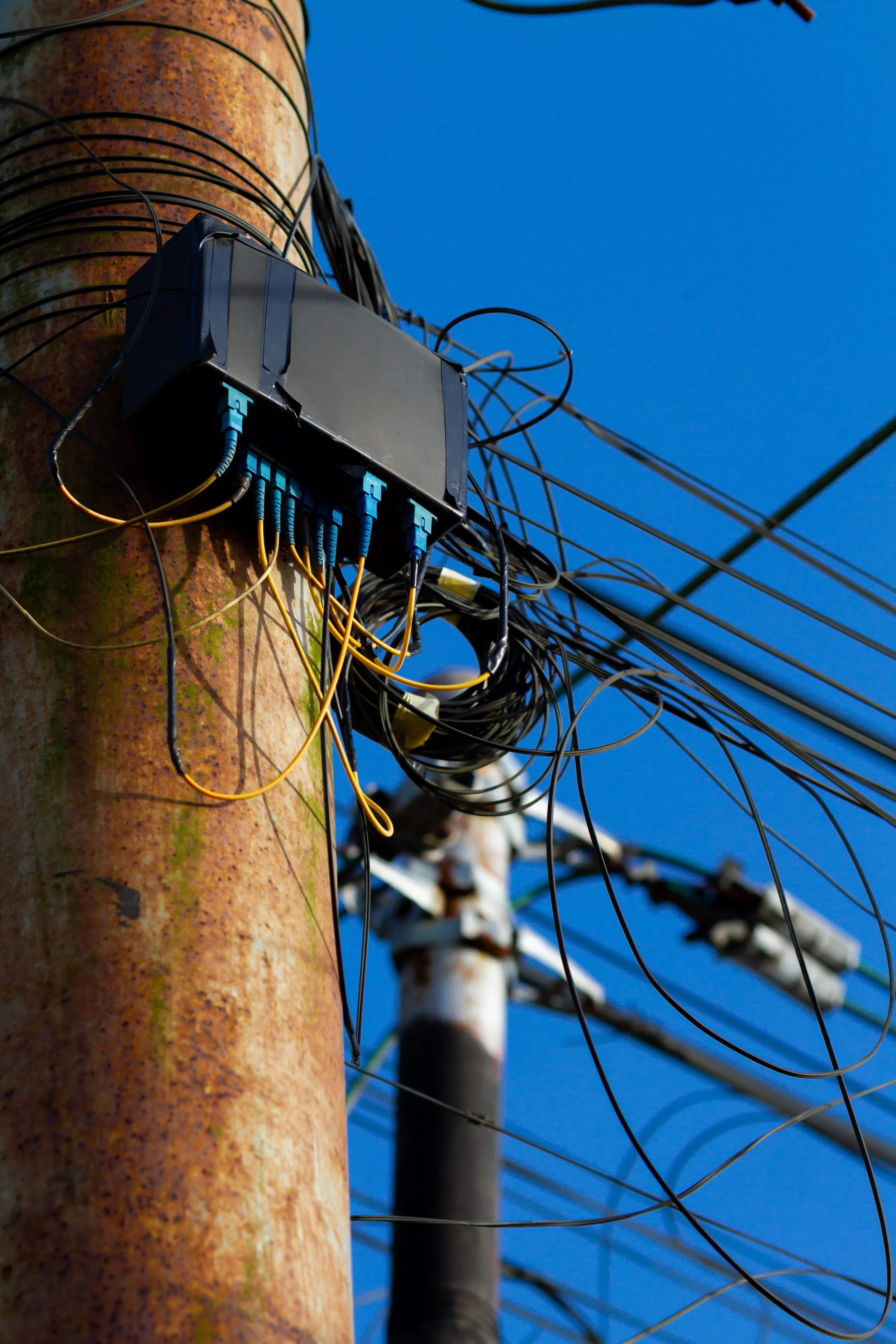
Utility pole attachment agreements are one of the most important, and often misunderstood, components of aerial fiber deployment. Before a single strand of fiber is installed on a shared utility pole, formal approval and compliance documentation must be in place.
For municipalities, internet service providers, and infrastructure contractors, understanding how pole attachment agreements work is essential to avoiding delays, violations, and liability exposure. Below is a practical guide to what these agreements involve and why they matter in 2026.
What Is a Utility Pole Attachment Agreement
A utility pole attachment agreement is a formal contract between a pole owner and a third party seeking to attach communications infrastructure to that pole. Pole owners are typically electric utilities, cooperatives, or telecommunications providers.
The agreement outlines the terms under which fiber cable, strand, and related equipment may be installed on the pole. It defines responsibilities, technical standards, fees, maintenance obligations, and compliance requirements.
Without an approved agreement, attachments cannot legally move forward.
Who Regulates Pole Attachments
Pole attachments are regulated at both the federal and state levels. In many states, the Federal Communications Commission establishes guidelines for pole access, rates, and timelines. However, certain states operate under their own regulatory authority.
In addition to regulatory oversight, pole owners enforce engineering standards based on the National Electrical Safety Code. These standards determine clearance requirements, load limits, and spacing between electric and communication lines.
Understanding jurisdiction is critical because requirements vary by state and pole owner.
What Is Make-Ready Work
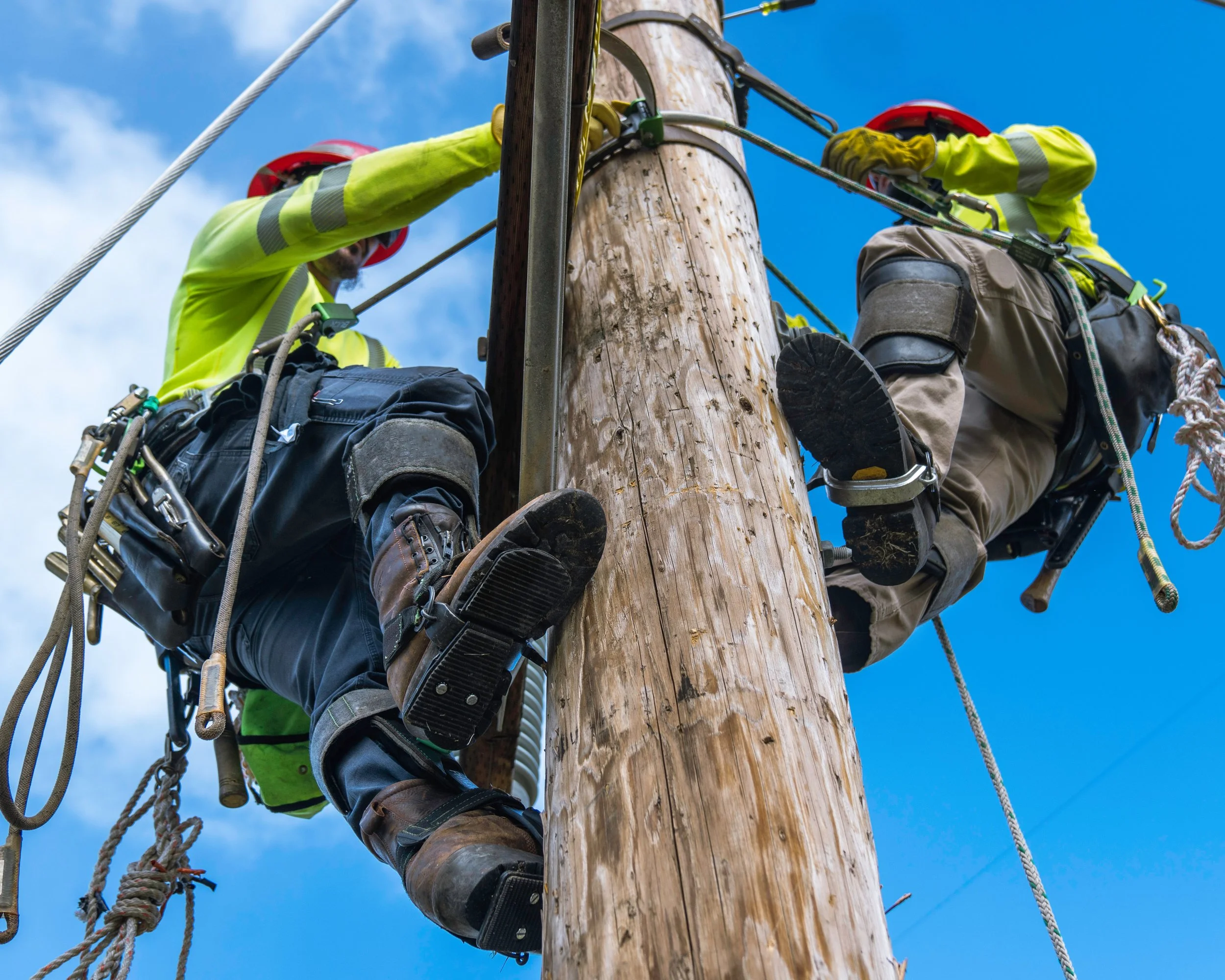
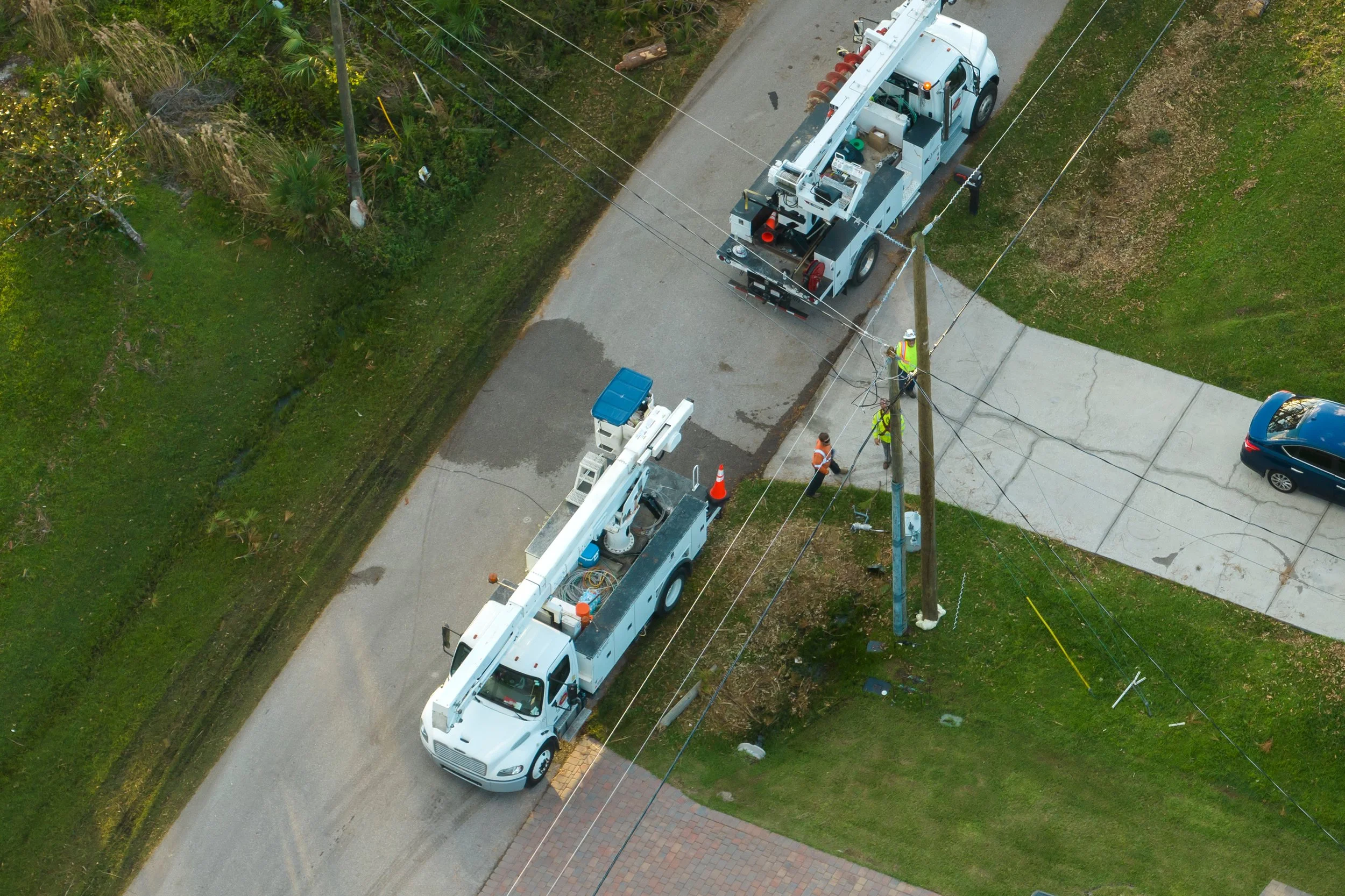
Make-ready work refers to the process of preparing a utility pole for a new attachment. Before fiber can be installed, existing equipment may need to be moved or adjusted to create proper clearance and maintain code compliance.
This can include relocating existing communications lines, adjusting hardware, or reinforcing structural components. Make-ready work is typically coordinated and approved by the pole owner before installation proceeds.
Delays in make-ready approvals are one of the most common reasons aerial fiber projects stall.
Engineering and Pole Loading Requirements
Every utility pole has structural limits. Pole loading analysis determines whether a pole can safely support additional attachments without compromising stability.
Factors such as wind load, ice load, existing attachments, and pole condition all influence whether reinforcement or replacement is required. Engineering review ensures that new installations meet safety and durability standards.
Failure to follow proper loading calculations can result in structural risk and regulatory violations.
Fees and Ongoing Responsibilities
Pole attachment agreements typically include annual attachment fees. These fees compensate the pole owner for access and ongoing use.
In addition to fees, the attaching party is responsible for maintaining their infrastructure in compliance with safety standards. This includes correcting violations, responding to damage, and ensuring proper clearances are maintained over time.
Clear documentation and structured field reporting help ensure long-term compliance.
Why Compliance Matters in 2026
As broadband expansion accelerates nationwide, regulatory oversight and infrastructure accountability have increased. States investing heavily in broadband require contractors and service providers to demonstrate compliance with attachment agreements and engineering standards.
Non-compliance can lead to fines, forced removals, delayed projects, and increased liability exposure. In competitive funding environments, disciplined compliance practices are becoming a differentiator.

Supporting Compliant Aerial Deployment
Utility pole attachment agreements are not simply administrative paperwork. They are foundational to safe, scalable, and legally compliant aerial fiber deployment.
Termink Solutions works within established attachment frameworks, coordinates make-ready requirements, and ensures installations align with pole owner and regulatory standards. Structured planning and disciplined field execution reduce delays and protect long-term infrastructure integrity.
If your organization is preparing for an aerial fiber build or navigating pole attachment requirements, contact Termlink Solutions to discuss how we can support compliant and efficient deployment.
