The 10-Year Maintenance Plan Every Fiber Network Should Have
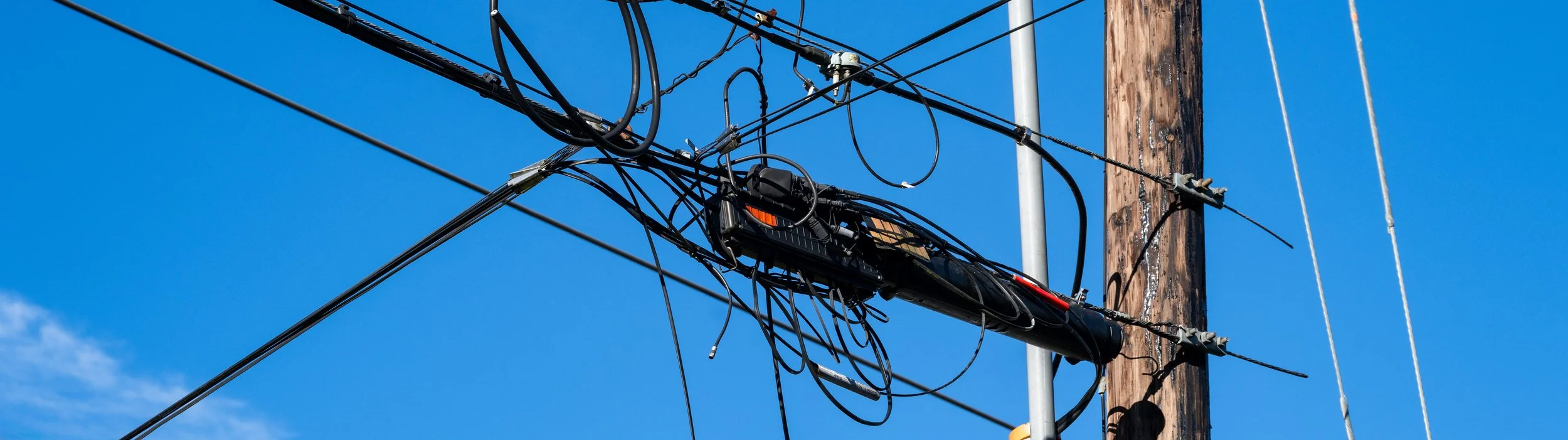
Fiber infrastructure is designed for longevity, but longevity does not mean neglect. Aerial fiber networks are exposed to wind, ice, temperature shifts, vegetation growth, vehicle impact, and evolving load demands. Without a structured long-term maintenance plan, even well-built systems can experience performance degradation and avoidable failures.
A 10-year maintenance plan provides operational stability, protects investment value, and reduces emergency repair costs. Below is what a disciplined long-term maintenance strategy should include.
Year 1: Post-Installation Verification
The first year after installation is critical. Even properly engineered fiber networks require follow-up inspections to confirm sag, tension, hardware stability, and signal performance remain within specification.
A post-installation review ensures that environmental stress, early hardware movement, or minor installation adjustments have not created hidden vulnerabilities.
Years 2–3: Routine Visual Inspections
Scheduled visual inspections identify early warning signs before they become service interruptions. Crews should evaluate attachment hardware, strand integrity, pole condition, and clearance compliance.
Vegetation growth, hardware loosening, and minor sag changes are easier and less expensive to correct early.
Years 3–5: Pole Loading Reassessment
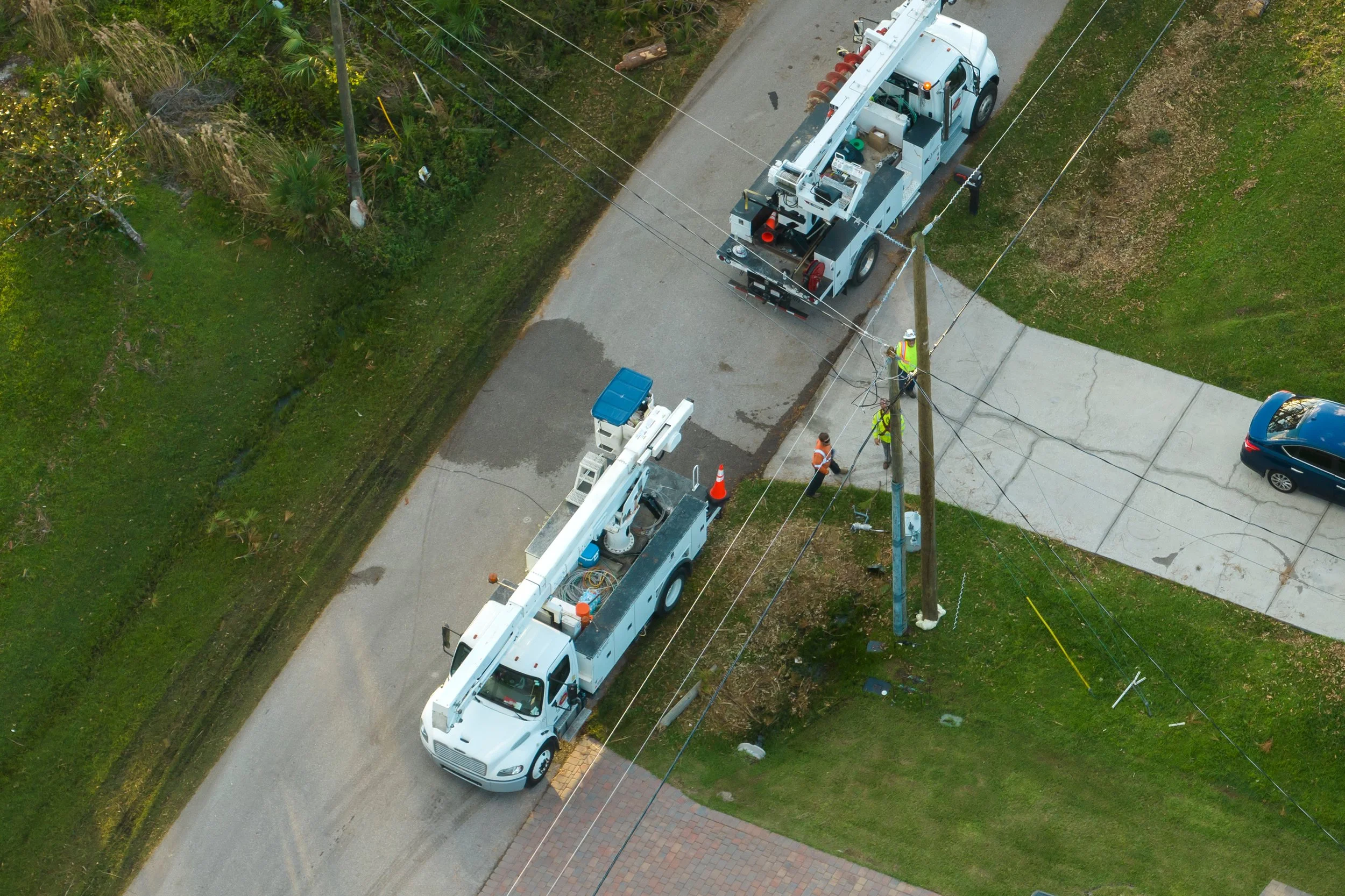
As additional attachments are added to shared poles, loading conditions change. A reassessment of pole loading and structural integrity helps prevent overstressing infrastructure.
Wind exposure, ice events, and aging poles can alter original engineering assumptions. Re-evaluating load capacity protects long-term stability.
Years 5–7: Signal Performance Testing
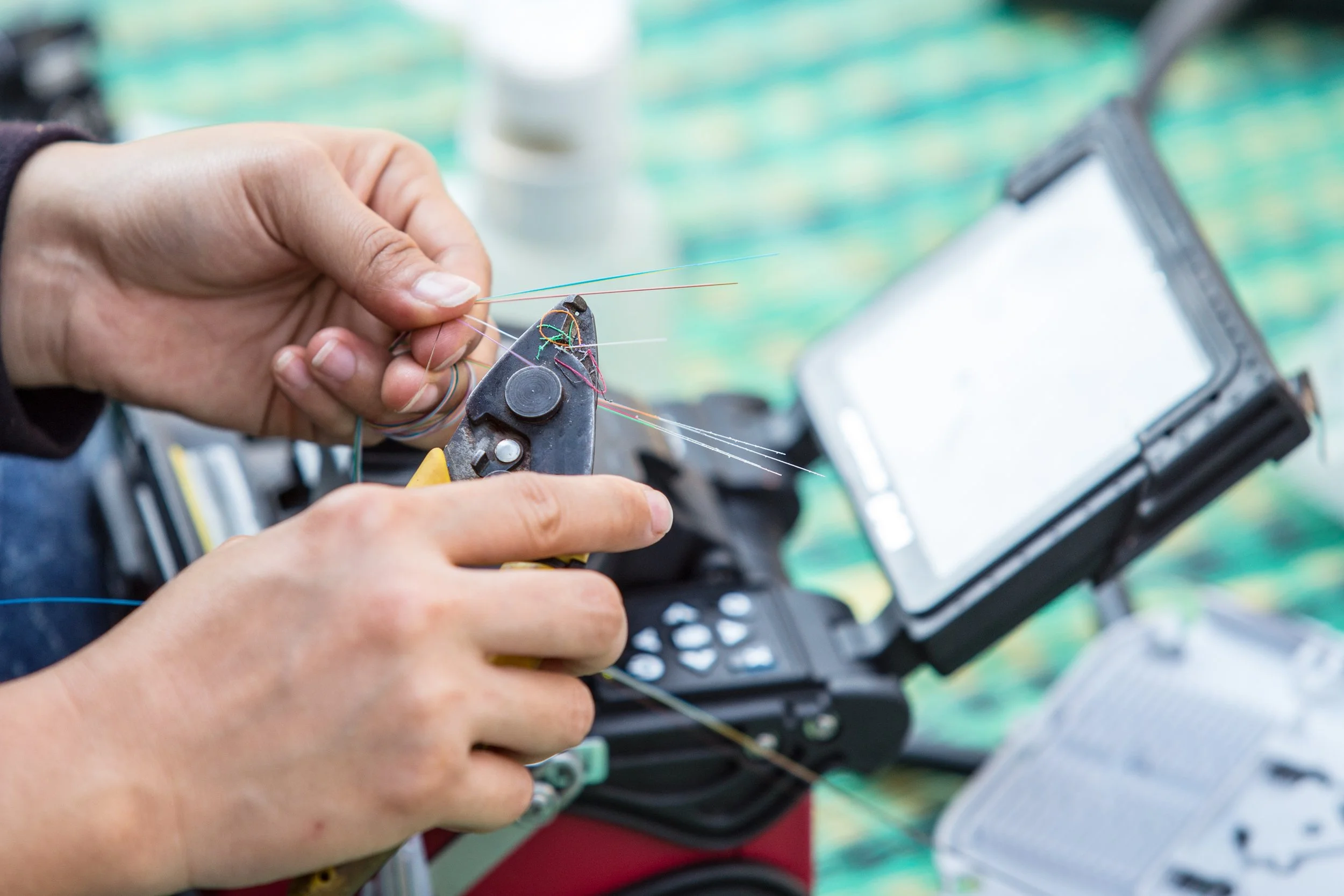
Fiber attenuation and signal loss should be monitored periodically. Testing methods such as OTDR evaluations confirm that splices and connections continue performing within acceptable thresholds.
Gradual performance decline can signal splice degradation, enclosure exposure, or micro-bending issues that may not be visible externally.
Years 6–8: Hardware and Component Replacement Review
Messenger wire, attachment brackets, anchors, and grounding components should be assessed for corrosion, wear, or fatigue. Replacing aging hardware proactively prevents mid-span failures and emergency repairs.
Preventative replacement is significantly less disruptive than reactive restoration.
Years 8–10: Infrastructure Reinforcement Evaluation
As bandwidth demand increases and additional attachments accumulate, reinforcement or strategic upgrades may be necessary. This stage evaluates whether existing infrastructure continues to meet current load, clearance, and performance standards.
Planning upgrades before failure preserves network reliability and protects community connectivity.
Ongoing Annual Responsibilities
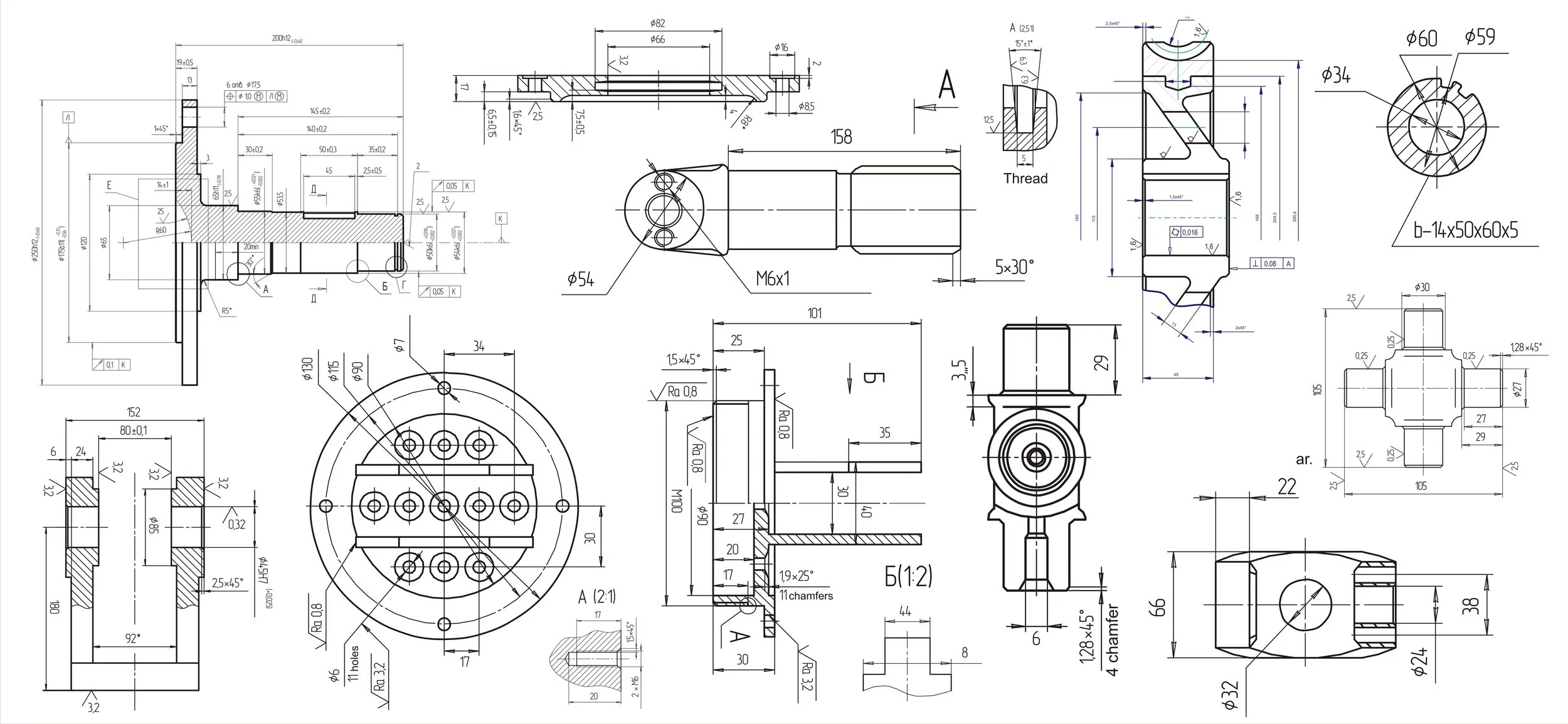
Throughout the full 10-year cycle, certain responsibilities remain consistent. Documentation should be maintained for inspections, repairs, and testing. Compliance with utility attachment agreements must be reviewed regularly. Storm exposure assessments should be conducted after severe weather events.
Structured reporting ensures infrastructure accountability and simplifies future audits, funding reviews, or insurance claims.
Why Long-Term Planning Matters
Fiber networks are long-term infrastructure assets, not short-term projects. A disciplined 10-year maintenance strategy reduces emergency outages, protects safety compliance, and extends the functional lifespan of aerial systems.
Communities investing in broadband in 2026 are building for future demand. That investment deserves structured maintenance planning to ensure performance, reliability, and regulatory alignment over time.
Termlink Solutions supports aerial fiber infrastructure not only through installation and restoration, but through disciplined long-term infrastructure support. Structured inspections, compliance review, and proactive maintenance planning help networks remain stable well beyond initial deployment.
If your organization is evaluating long-term aerial fiber maintenance strategy, contact Termlink Solutions to discuss how we can support sustained infrastructure performance.