

What Is Mid-Span Access in Fiber Networks
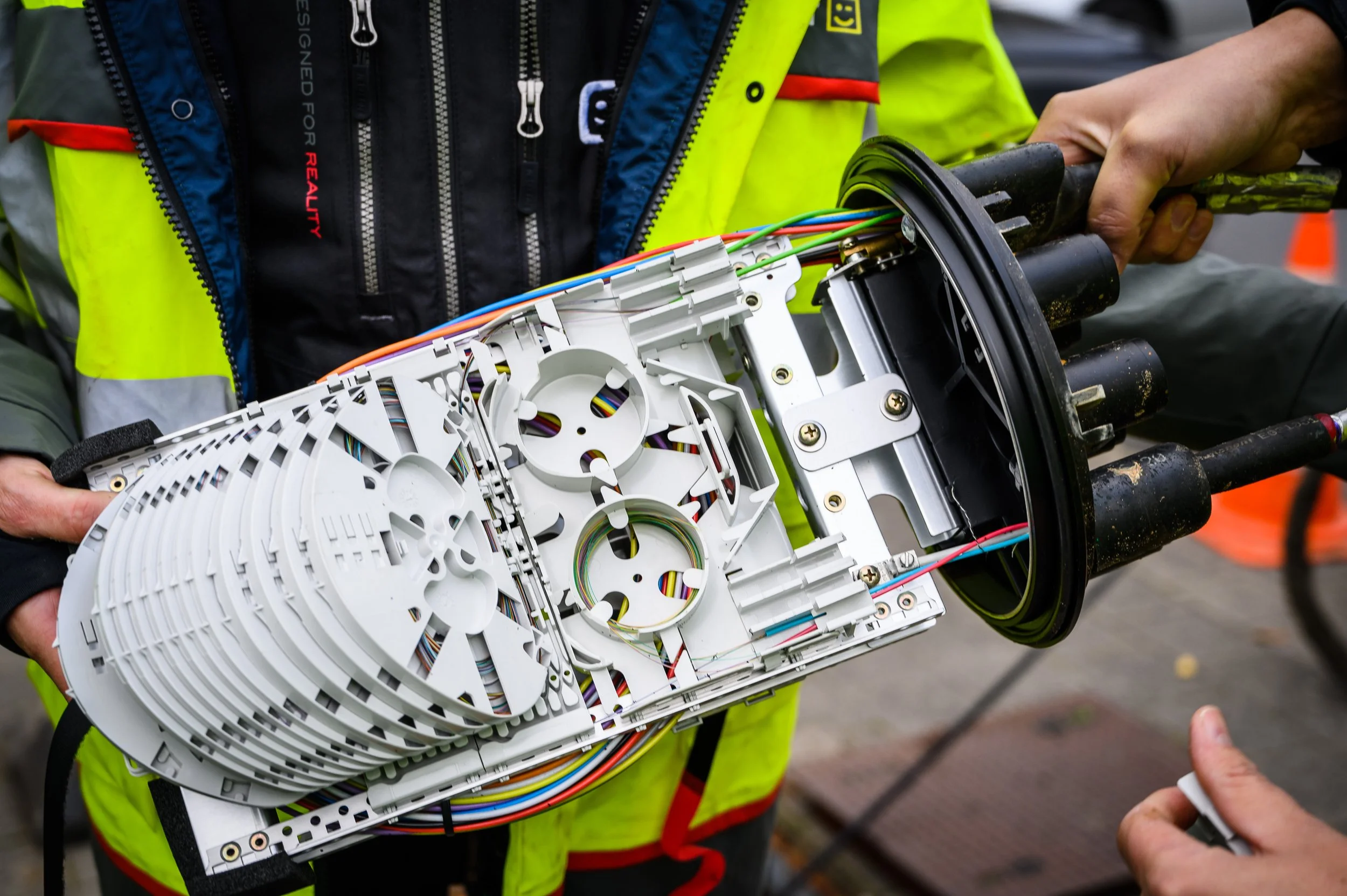
Mid-span access is a technique used in fiber optic networks to access specific fiber strands within a cable without cutting the entire cable or disrupting active service. In aerial fiber deployments, this method allows technicians to branch off from an existing cable to serve new locations or perform targeted maintenance while preserving network continuity.
As broadband expansion accelerates in 2026, mid-span access has become an essential practice for scalable and efficient fiber network growth.
What Mid-Span Access Means
Traditional fiber branching required cutting a cable completely, separating it, and splicing both ends. This approach increases risk, requires more splicing time, and may interrupt active traffic.
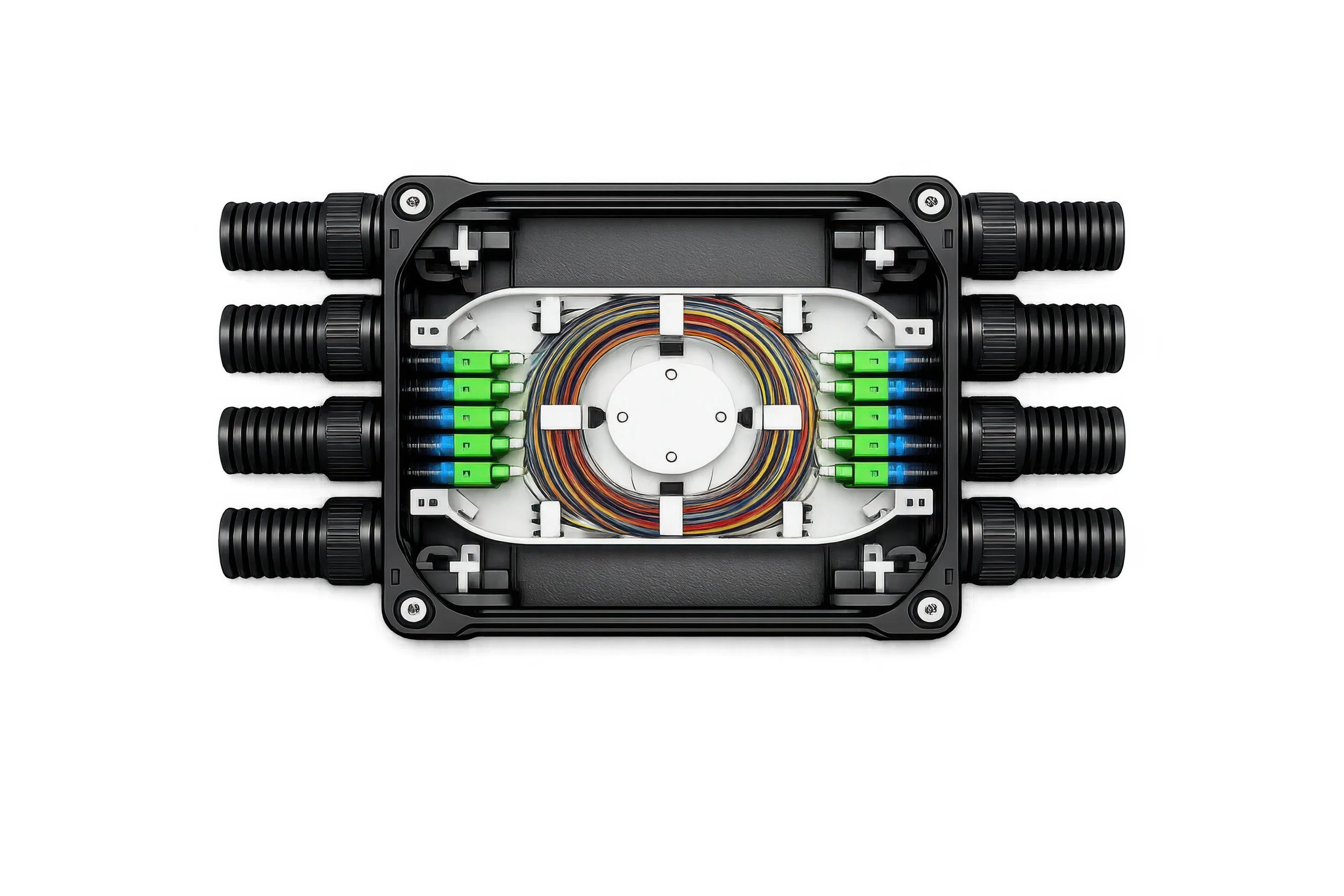
Mid-span access allows technicians to open the outer sheath of a fiber cable at a specific point along its length. Individual buffer tubes or fibers can then be accessed, routed into a splice enclosure, and connected to a new distribution line without fully severing the original cable.
This preserves signal integrity while expanding network reach.
When Mid-Span Access Is Used
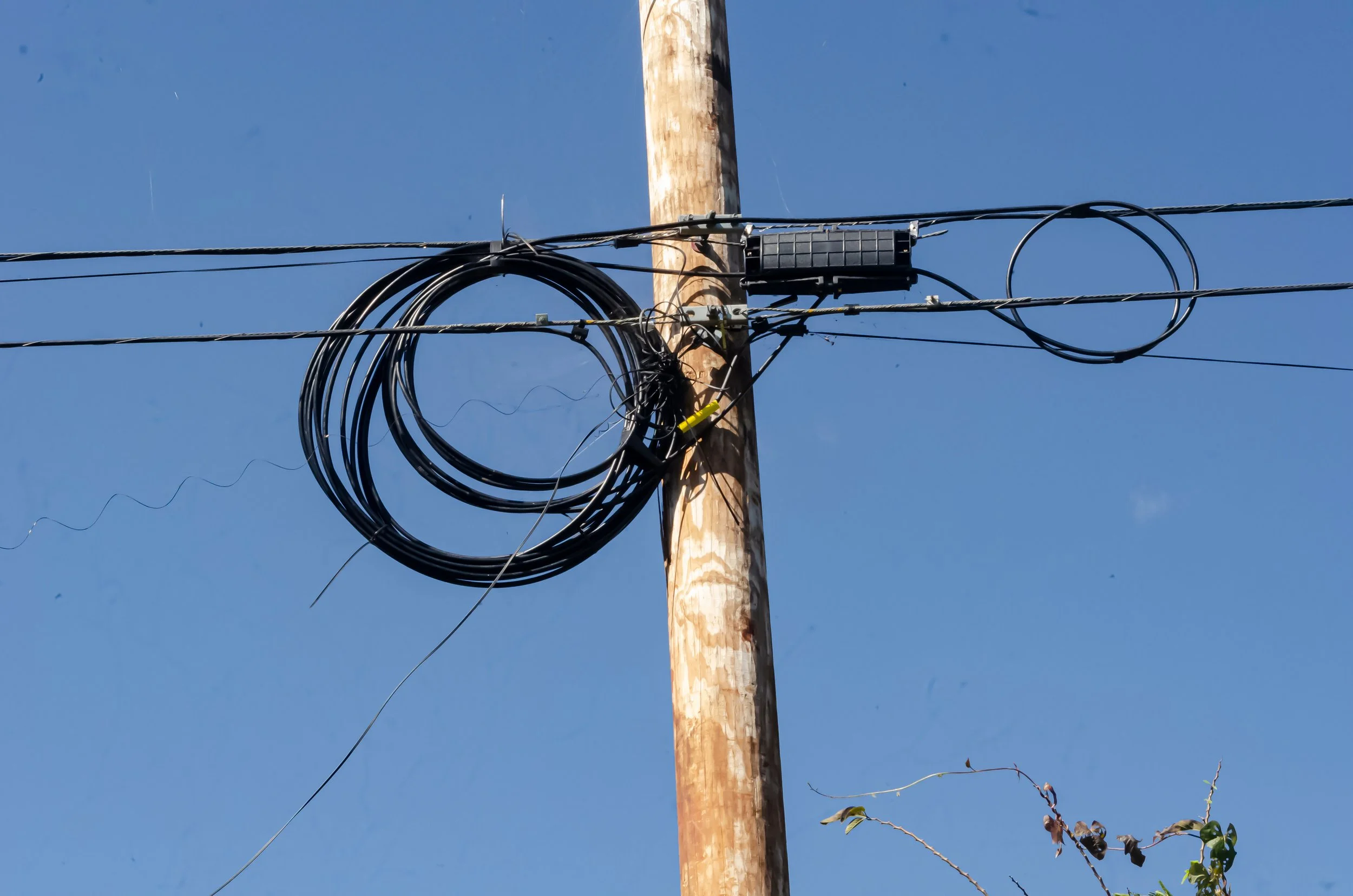
Mid-span access is commonly used during network expansions when a new customer, subdivision, or facility needs to connect to an existing aerial fiber route. Instead of installing a completely new backbone line, technicians can tap into the existing cable at a strategic location.
It is also used in maintenance scenarios where a specific fiber strand requires repair but the rest of the cable remains operational.
The method allows for controlled growth without unnecessary disruption.
How the Process Works
The process begins with identifying the correct cable segment and verifying fiber allocation plans. Once confirmed, technicians carefully remove a portion of the cable jacket without damaging internal components.
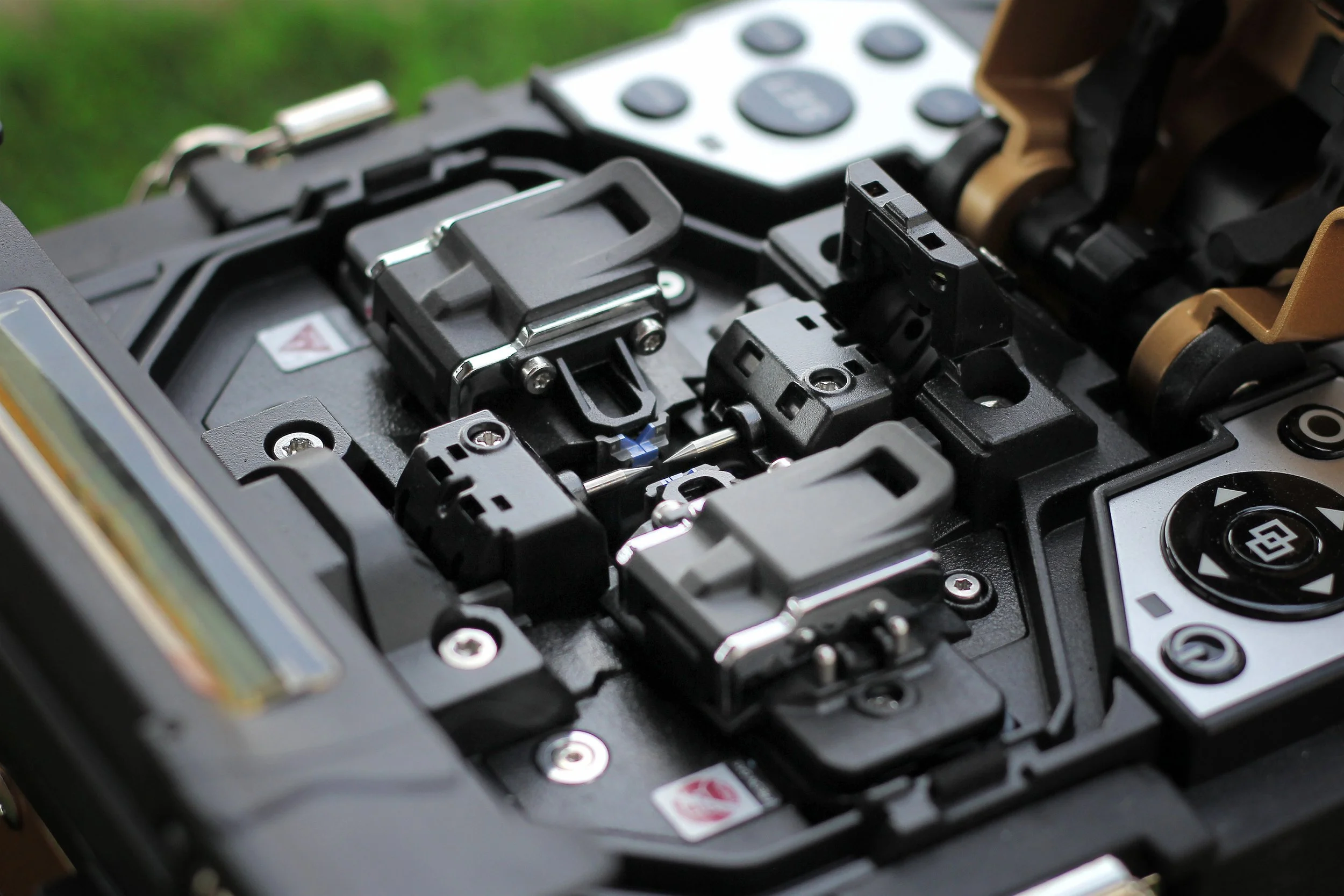
Buffer tubes are separated and the targeted fibers are exposed. These fibers are then routed into a splice enclosure, where fusion splicing connects them to distribution cables. The remaining fibers inside the cable remain intact and undisturbed.
Proper resealing and enclosure protection ensure environmental resistance against moisture, UV exposure, and temperature variation.
Why Precision Matters
Mid-span access requires experience and careful handling. Damaging adjacent fibers can cause unintended outages and signal degradation. Maintaining correct bend radius, fiber protection, and enclosure sealing is critical for long-term performance.
Signal testing is performed after splicing to confirm that attenuation levels remain within acceptable thresholds.
Precision during mid-span access protects network reliability and prevents cascading service disruptions.
Benefits of Mid-Span Access in Aerial Networks
Mid-span access offers several operational advantages. It reduces the need for full cable replacement, minimizes service interruption, and supports incremental network expansion.
For aerial infrastructure, where cables may span long distances between poles, mid-span access provides a practical way to add new service points without reengineering entire segments.
This flexibility is particularly valuable in rural and rapidly developing areas.
Supporting Scalable Fiber Growth
As communities continue expanding broadband infrastructure in 2026, network scalability is just as important as initial deployment. Techniques like mid-span access allow fiber systems to grow efficiently while preserving structural integrity and signal performance.
Termlink Solutions supports aerial fiber expansion and maintenance through disciplined installation practices and precise field execution. Understanding when and how to use mid-span access ensures networks remain adaptable without compromising reliability.
If your organization is planning fiber expansion or evaluating aerial network upgrades, contact Termlink Solutions to discuss scalable infrastructure solutions.
