

5 Signs Your Fiber Installation Partner Isn't Meeting Industry Standards
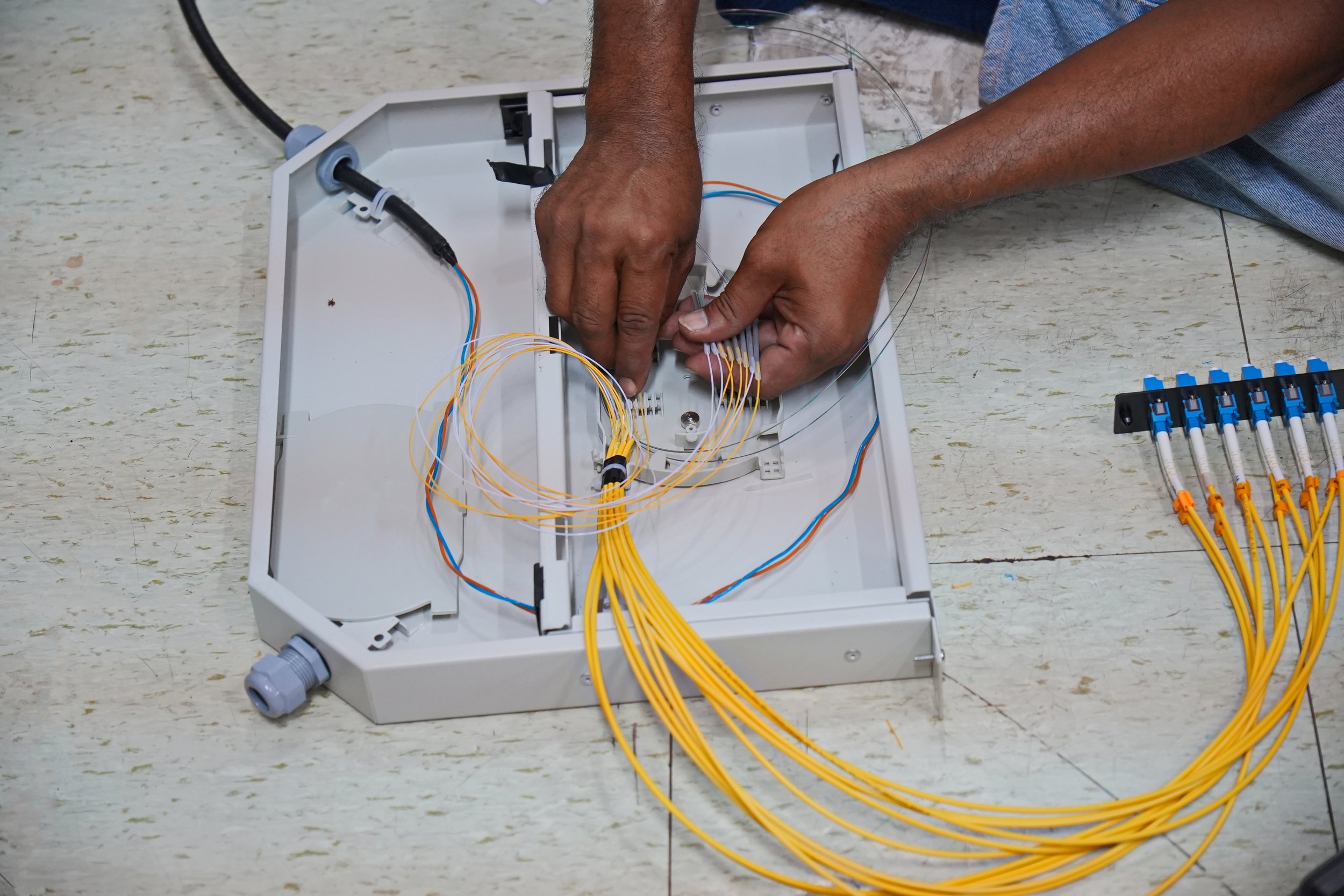
Fiber optic networks are long-term infrastructure investments. When you're deploying fiber for a municipal broadband initiative, rural ISP expansion, or telecom upgrade, you need confidence that the installation will perform reliably for decades, not just pass inspection on day one.
Unfortunately, not all fiber installation contractors operate at the same level. Some cut corners on testing, documentation, or technician training. Others may lack the equipment, processes, or expertise to meet modern industry standards.
If you're evaluating a fiber installation partner or concerned about work already underway, here are five warning signs that your contractor may not be meeting industry standards.
1. Incomplete or Missing OTDR Test Results
Optical Time Domain Reflectometer (OTDR) testing is the gold standard for validating fiber installations. It measures signal loss, identifies splice quality, and pinpoints faults along the entire cable run. If your contractor isn't providing detailed OTDR reports for every fiber strand, that's a major red flag.
What to look for:
Bidirectional OTDR traces for each fiber
Event tables showing splice loss, connector loss, and total link loss
Testing at multiple wavelengths (typically 1310nm and 1550nm)
Permanent record storage with project documentation
Without comprehensive OTDR testing, you have no baseline for troubleshooting future issues. A professional contractor builds testing into every phase, not as an afterthought, but as standard practice. Learn more about fiber testing standards from the Fiber Optic Association.
2. No Documentation Trail or As-Built Records
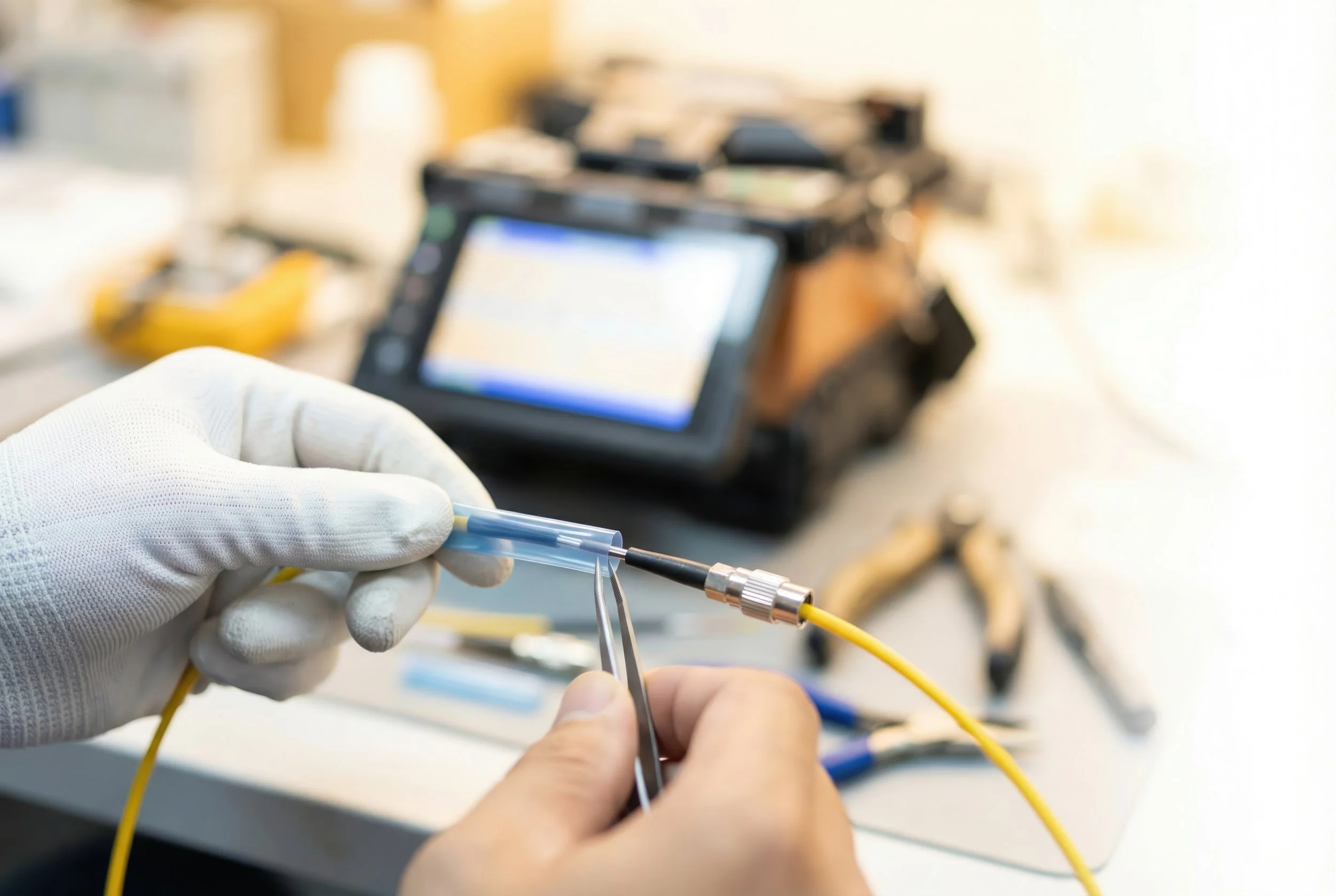
Quality fiber installation generates documentation at every step. From splice maps to fiber assignments to vault access notes, these records become the operational blueprint for your network. If your contractor hands over incomplete (or nonexistent) as-built documentation, you're left guessing when problems arise.
Essential documentation includes:
Splice records showing which fibers connect where
Cable routing maps with GPS coordinates
Vault and handhole locations with access details
Test results filed by segment and date
Photos of critical installations and equipment placements
Poor documentation creates massive inefficiencies. Technicians waste time searching for splice points during maintenance. Future expansions require expensive re-mapping. Emergency repairs take longer because no one knows the exact cable path. Professional contractors treat documentation as a core deliverable, not an optional add-on.

3. Inconsistent Splice Loss or High Failure Rates
Fusion splicing is precision work. When done correctly, splice loss should consistently measure below 0.1 dB. If you're seeing splice losses routinely above 0.3 dB, or worse, frequent splice failures requiring rework, your contractor may lack proper equipment, training, or quality control processes.
Signs of poor splicing quality:
Splice loss consistently above 0.3 dB
Multiple re-splices on the same fiber
High reflectance readings indicating poor fiber alignment
No calibration records for fusion splicers
High-quality splicing requires well-maintained equipment, trained technicians, and strict cleanliness protocols. Budget contractors often skip equipment calibration or rush through fiber preparation. The result? Degraded network performance and shorter service life. Look for partners who prioritize splice quality and can demonstrate consistent low-loss results across projects.
4. Delayed Timelines Without Clear Communication
Project delays happen in construction. Weather, permitting issues, and supply chain disruptions are unavoidable. But professional contractors communicate proactively, adjust schedules transparently, and have contingency plans. If your contractor consistently misses deadlines without explanation, or goes silent when problems arise, that signals deeper organizational issues.
Red flags in project management:
No weekly status updates or progress reports
Vague explanations for schedule slips
Difficulty reaching the project manager or crew leads
Repeated last-minute requests for deadline extensions
No advance notice of crew availability issues
Reliable contractors manage expectations from day one. They provide realistic timelines, maintain open communication channels, and escalate issues before they become crises. Poor communication often correlates with poor workmanship. Both stem from weak internal processes.
5. Lack of In-House Resources or Equipment
Professional fiber contractors invest in their infrastructure. They maintain stocked warehouses, own specialized equipment, and employ full-time trained crews. If your contractor constantly subcontracts work, borrows equipment, or experiences long delays waiting for parts, they may not have the capacity to deliver consistent quality.
Warning signs of inadequate resources:
Heavy reliance on subcontractors for core tasks
No emergency response capability or backup crews
Frequent equipment breakdowns causing work stoppages
Long lead times for basic materials or replacement parts
Technicians using outdated or poorly maintained tools
Self-sufficient contractors respond faster to problems, maintain quality control, and scale efficiently. When a contractor owns their equipment and employs dedicated crews, they can deploy quickly for emergencies and guarantee workmanship standards. Companies that outsource everything often struggle with coordination, accountability, and technical consistency.

What to Do If You Spot These Red Flags
If your current fiber installation partner exhibits any of these warning signs, it's time for a candid conversation. Professional contractors welcome accountability and will address concerns transparently. If they become defensive, dismiss your questions, or fail to provide documentation, consider alternative partners before the project progresses further.
When evaluating new contractors, ask specific questions:
What testing equipment do you use, and how often is it calibrated?
Can I see sample documentation from a recent project?
What's your average splice loss on similar installations?
How do you handle communication during projects?
Do you maintain your own warehouse and equipment inventory?
Quality fiber installation is an investment in long-term network reliability. Don't settle for contractors who treat compliance as optional or view documentation as busywork. The right partner delivers clean workmanship, thorough testing, and complete project records, because that's simply how professional fiber installation is done.
According to TIA-568 standards for telecommunications cabling, proper installation and testing protocols are essential for ensuring network performance and longevity.
Looking for a Fiber Installation Partner You Can Trust?
TermLink Solutions delivers turn-key fiber construction with experienced Pennsylvania-based crews, in-house equipment and warehouse support, and rigorous testing and documentation standards. From new-build networks to emergency restoration, we bring reliability and professionalism to every project.
