
TermLink Fiber Files
Your Source for Real-World Fiber Expertise
Here you’ll find practical knowledge straight from the jobsite — splicing techniques, OTDR testing, design considerations, restoration workflow, and the details that make or break a network. If you build, maintain, or manage fiber, this is where you stay sharp.
OUR BLOGS

What a Proper Fiber As-Built Package Should Contain (and Why Yours Probably Doesn't)
Most fiber as-built packages are incomplete, and the gaps cost network owners real money years later. Here's what a proper as-built should actually contain.

Understanding Loss Budgets: How to Calculate Them and Why They Protect Your Network
A loss budget is the engineering tool that keeps every fiber link working for decades. Here's how to calculate one, and why it protects your network.
How to Vet a Fiber Splicing Contractor: 10 Questions You Must Ask
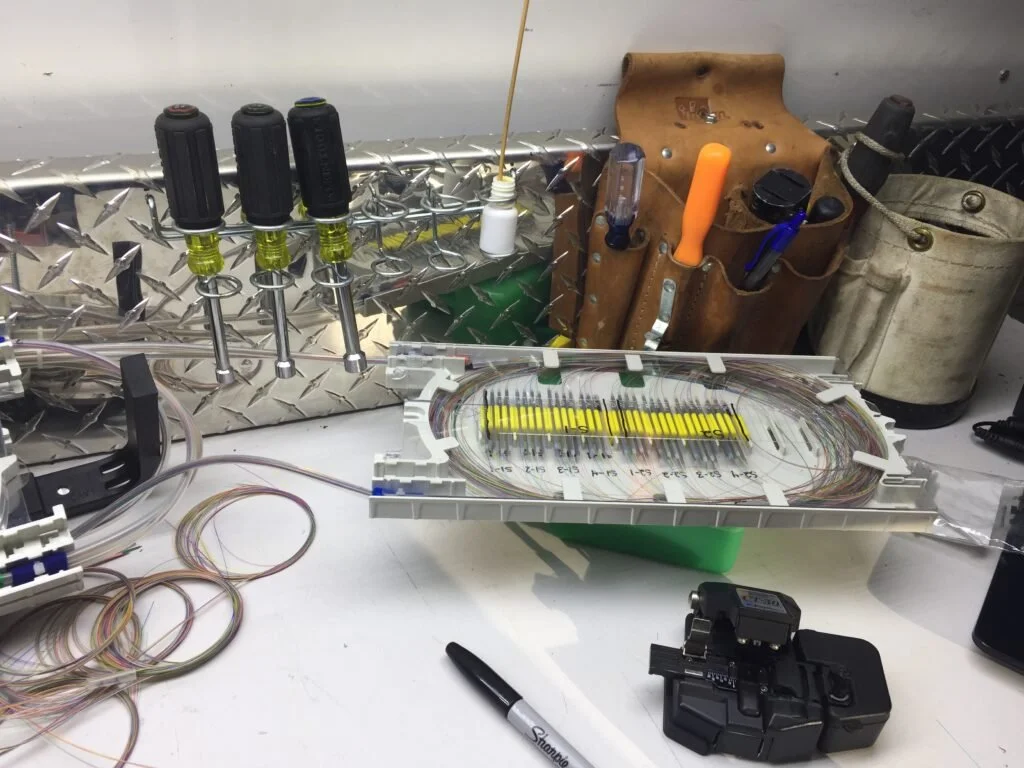
Fiber splicing is precision work where quality determines decades of network performance. A proper fusion splice achieves less than 0.1 dB signal loss and lasts without degradation. Poor splices create ongoing network issues, require costly rework, and leave troubleshooting headaches for years. For ISPs, municipalities, and telecom managers hiring fiber contractors, splice quality directly impacts long-term reliability—but how do you identify contractors who deliver consistent professional work versus those cutting corners? The answer lies in asking specific questions about equipment calibration, average splice loss with documented test results, technician certifications and training programs, fiber preparation protocols, documentation systems, OTDR testing procedures, quality guarantees, splice enclosure protection methods, backup equipment inventory, and verifiable references. These questions reveal whether contractors have the equipment, expertise, processes, and accountability to deliver splicing work that performs reliably throughout your network's operational life.
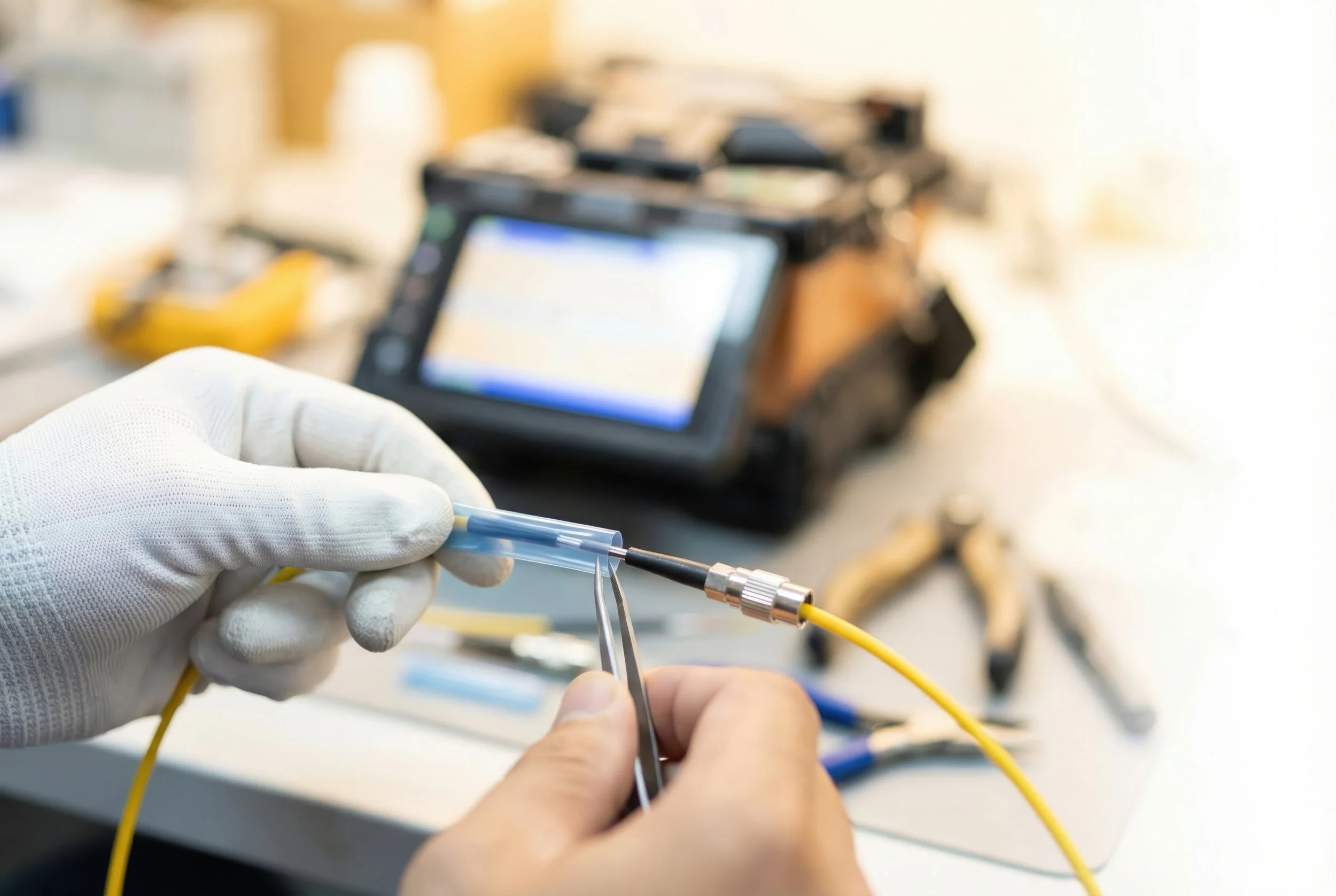
5 Signs Your Fiber Installation Partner Isn't Meeting Industry Standards
Fiber optic networks represent decades-long infrastructure investments. Whether you're deploying municipal broadband, expanding rural ISP coverage, or upgrading telecom networks, your installation partner's quality determines long-term reliability. Unfortunately, not all fiber contractors operate at the same professional level. Some cut corners on OTDR testing, skip documentation, or lack proper equipment and training. These shortcuts create costly problems: no baseline for troubleshooting, poor network performance, maintenance headaches, and shortened service life. Learn the five critical warning signs that your fiber installation contractor may not meet industry standards—from incomplete test results and missing as-built records to poor splice quality and communication failures. Catch these red flags early to protect your network investment.
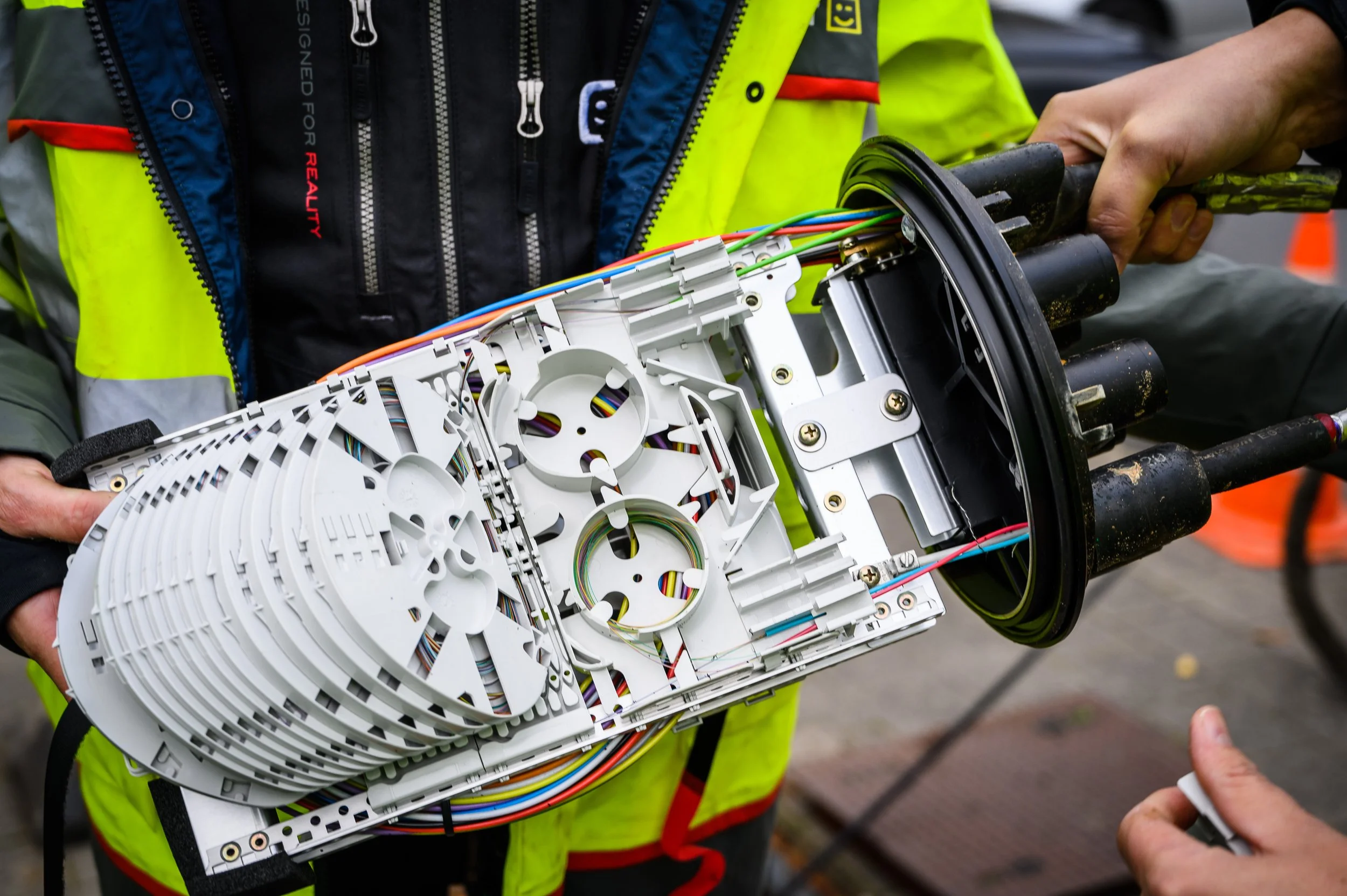
What Is Mid-Span Access in Fiber Networks
Mid-span access allows technicians to expand or maintain fiber networks without cutting the entire cable. This guide explains how the process works and why it matters for scalable aerial fiber infrastructure.
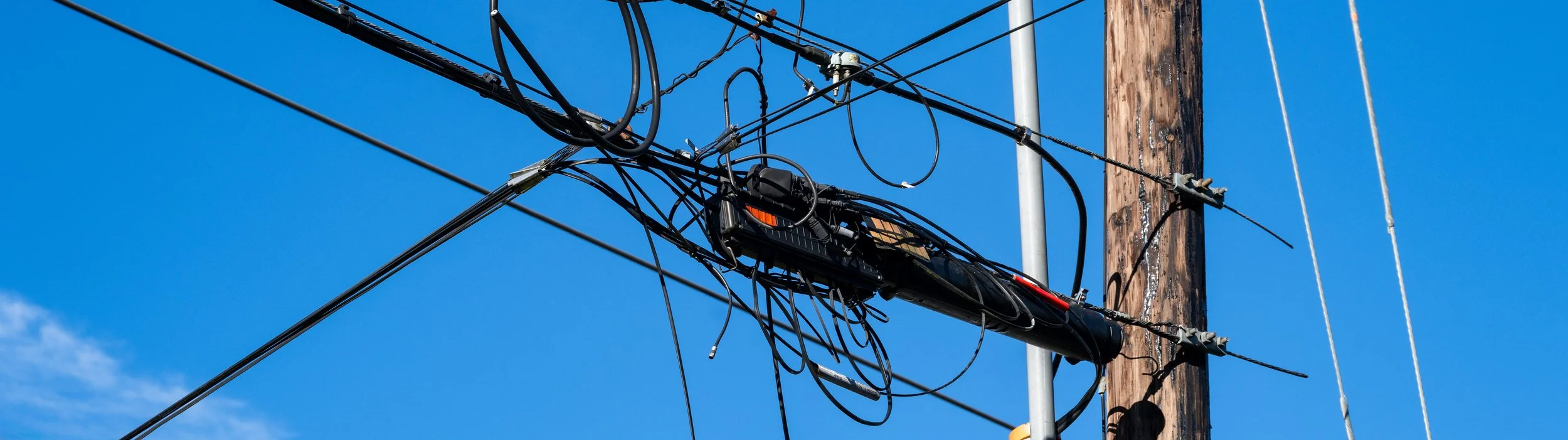
The 10-Year Maintenance Plan Every Fiber Network Should Have
Aerial fiber infrastructure requires more than installation. This guide outlines the 10-year maintenance plan every fiber network should follow to ensure reliability, compliance, and long-term performance.
TECH DOCS