

How to Vet a Fiber Splicing Contractor: 10 Questions You Must Ask
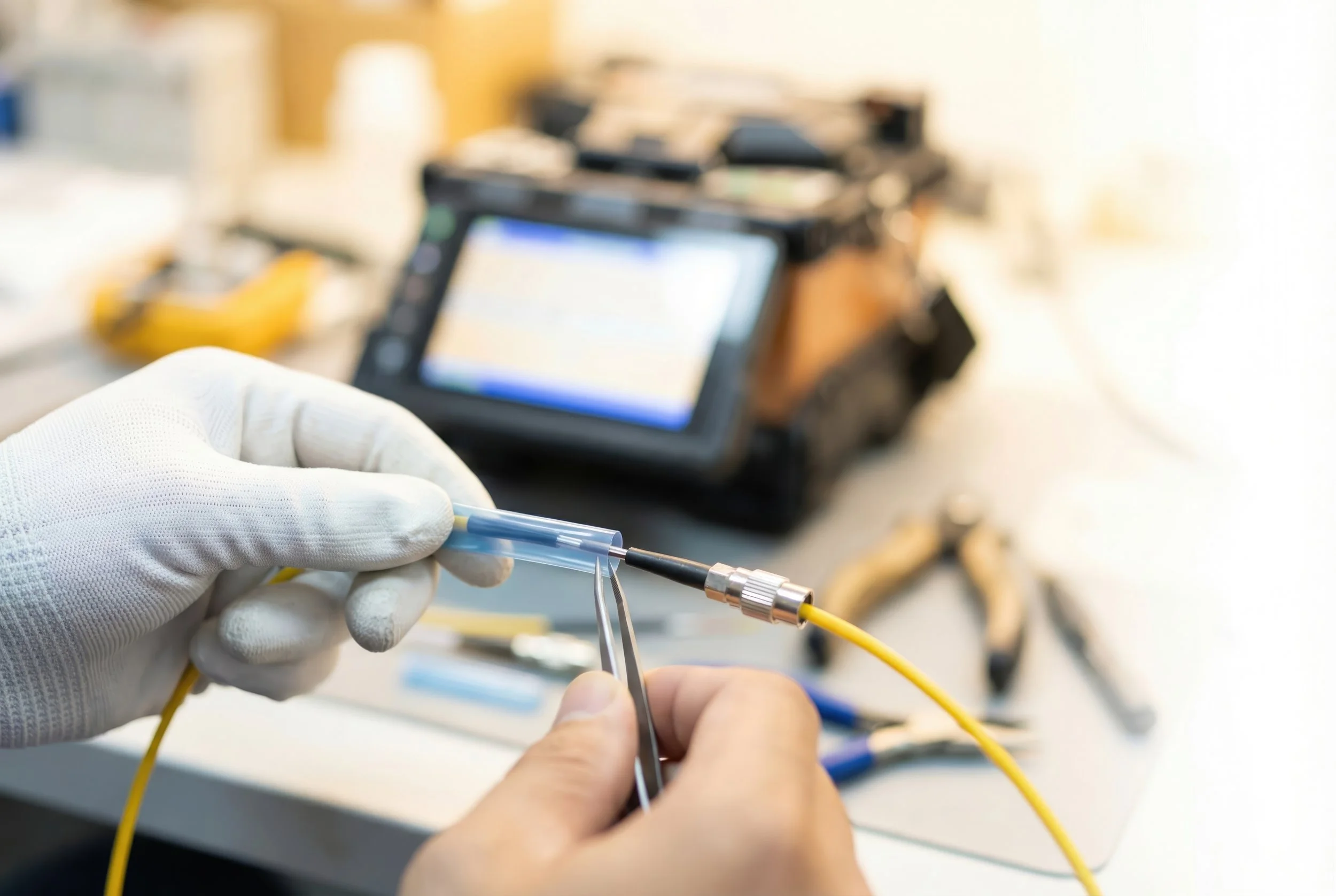
Fiber splicing is precision work. A properly executed splice loses less than 0.1 dB of signal and lasts decades without degradation. A poor splice creates network performance issues, requires costly rework, and leaves you troubleshooting problems for years.
For ISPs, municipalities, and telecom managers hiring fiber construction contractors, splice quality directly determines long-term network reliability. But how do you separate contractors who deliver consistent, professional splicing from those who cut corners?
Ask these 10 questions before signing a contract. The answers reveal whether a contractor has the equipment, training, processes, and accountability to deliver quality work.
1. What Fusion Splicers Do You Use, and When Were They Last Calibrated?
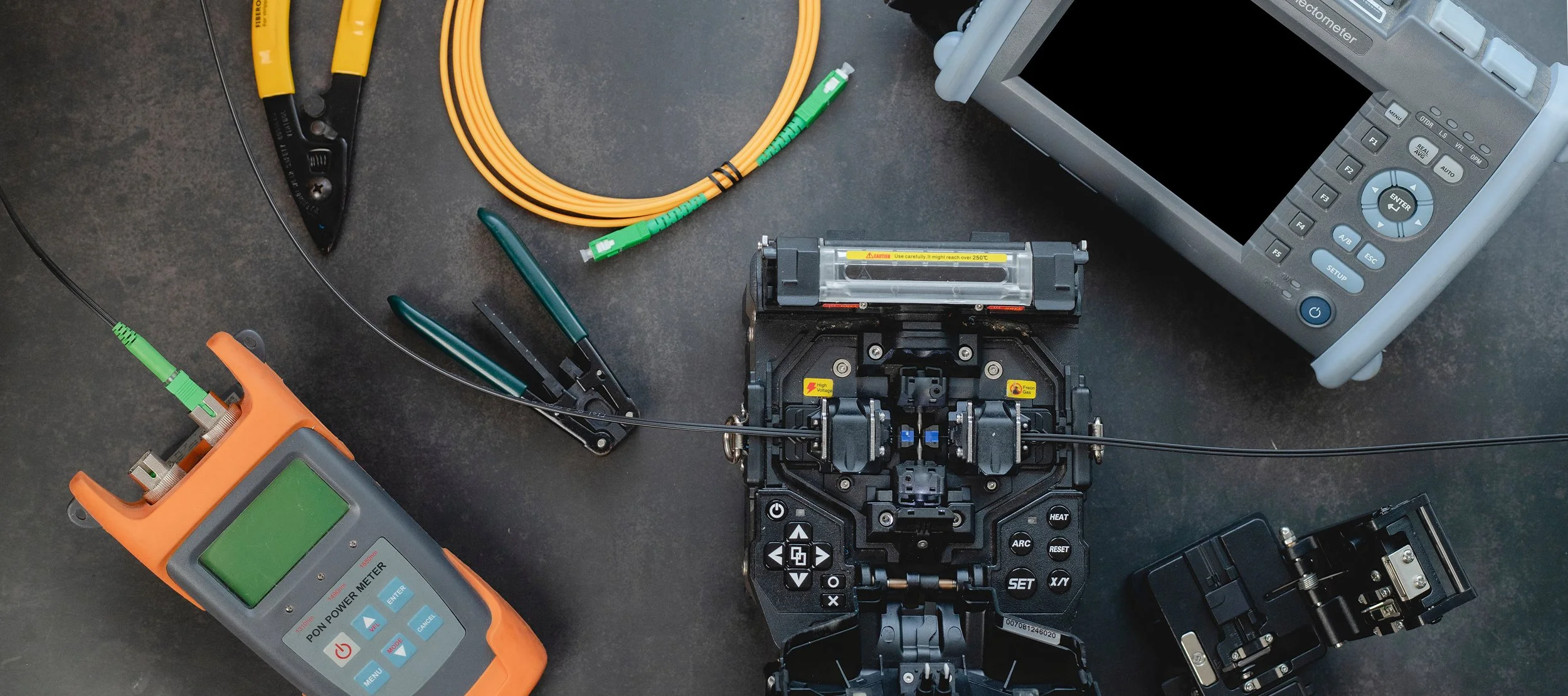
Quality splicing starts with quality equipment. Professional fusion splicers cost $15,000 to $40,000 and require regular calibration to maintain precision.
Ask what brand and model splicers the contractor uses. Reputable manufacturers include Fujikura, Sumitomo, and Fitel. Then ask for calibration records. Splicers should be professionally calibrated annually at minimum, more frequently for high-volume operations.
If the contractor can't produce calibration records or uses consumer-grade equipment, that's a red flag. Uncalibrated splicers produce inconsistent results and higher loss readings.
2. What's Your Average Splice Loss, and Can You Show Recent Test Results?
Professional fiber splicers consistently achieve splice loss below 0.1 dB. Anything routinely above 0.3 dB indicates equipment problems, poor technique, or inadequate quality control.
Ask for OTDR test results from recent projects showing actual splice loss measurements. Don't accept vague claims about "meeting industry standards." Actual test data reveals real-world performance.
If the contractor hesitates to share test results or can't produce documentation showing consistent low-loss splices, look elsewhere.
3. Are Your Technicians Certified, and What Training Do They Receive?
Fiber splicing requires specialized training. Ask about technician certifications from organizations like the Fiber Optic Association (FOA) or manufacturer-specific programs.
Beyond initial certification, ask about ongoing training. Fiber technology evolves. Contractors committed to quality invest in continuing education for their teams.
If technicians lack formal certification or the contractor can't describe their training program, you're risking network quality on untrained crews.
4. What's Your Fiber Preparation and Cleaning Process?
Contamination is the enemy of quality splices. Dust, dirt, or residue on fiber ends creates loss and long-term reliability issues.
Professional contractors follow strict cleaning protocols: using lint-free wipes, isopropyl alcohol, and compressed air in specific sequences. They work in clean environments whenever possible and take extra precautions in field conditions.
Ask the contractor to describe their cleaning process step-by-step. Vague answers or dismissive responses to this question indicate sloppy practices that will hurt your network.
5. How Do You Handle Splice Documentation and Record Keeping?
Every splice should be documented with location, loss measurement, date, and technician identification. This documentation becomes the operational baseline for your network.
Ask how the contractor tracks splice data. Professional operations use digital systems that GPS-tag splice locations, store OTDR traces, and provide searchable records for the network's lifetime.
Contractors who rely on handwritten logs or provide minimal documentation leave you blind when troubleshooting issues years later.
6. What Testing Do You Perform, and What Reports Do You Provide?
OTDR testing is mandatory for validating splice quality. But not all OTDR testing is equal.
Ask whether the contractor performs bidirectional testing (testing from both ends of the fiber). Single-direction testing can mask problems. Ask about testing wavelengths. Professional testing uses multiple wavelengths, typically 1310nm and 1550nm.
Most importantly, ask what reports you'll receive. You should get complete OTDR traces, event tables showing each splice location and loss, and summary documentation for every fiber strand. If the contractor only provides summary reports without detailed traces, you're not getting complete testing.
7. What Happens If a Splice Fails Your Quality Standards?
Quality contractors stand behind their work. Ask about their rework policy. If splice loss exceeds acceptable thresholds, will they re-splice at no additional cost? What's the turnaround time for rework?
Also ask about warranty. Professional contractors warranty splicing work for the project duration and often beyond. If they're unwilling to commit to rework guarantees, they lack confidence in their own quality.
8. How Do You Protect Splices in Enclosures?
Splice enclosures protect fusion splices from environmental damage. But quality varies significantly between installations.
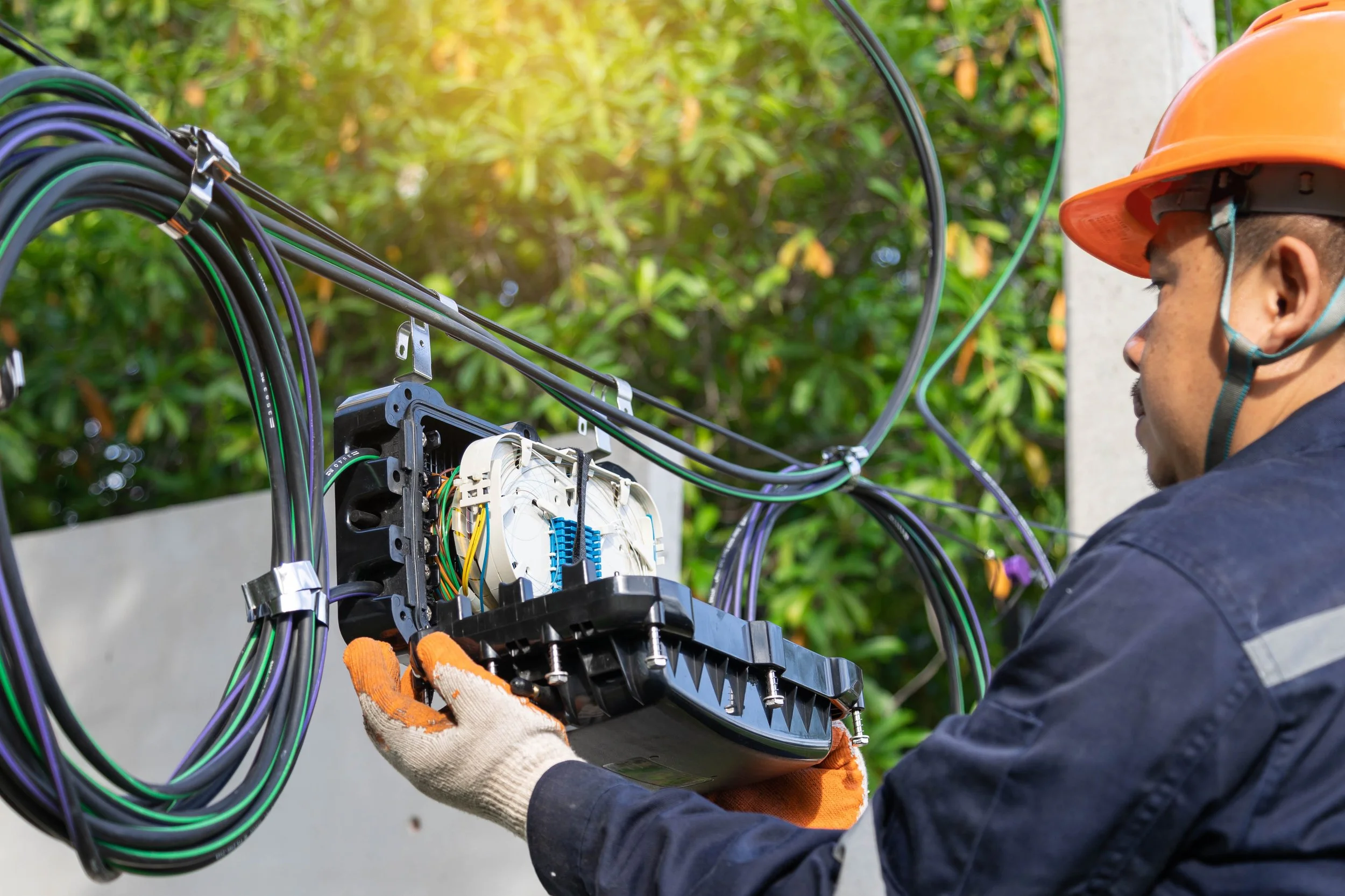
Ask about the splice enclosures they use and how they organize fibers within enclosures. Proper splice tray management, adequate fiber slack, and careful routing prevent stress on splices that can cause long-term degradation.
Request photos from previous projects showing splice enclosure interiors. Clean, organized enclosures with proper fiber management indicate attention to detail. Messy, cramped installations suggest rushed work.
9. Do You Maintain Equipment Inventory for Emergency Response?
Splice equipment breaks. Splicers malfunction. Backup equipment availability determines whether a problem causes hour-long delays or multi-day project shutdowns.
Ask if the contractor maintains backup splicers, OTDRs, and critical tools. Companies with in-house equipment inventories respond to problems quickly. Those relying on single sets of tools or equipment rentals create project risk.
10. Can You Provide References from Similar Projects?
Finally, ask for references from projects similar to yours in scope and technology. Speak directly with previous clients about splice quality, documentation, responsiveness to issues, and overall professionalism.
Pay special attention to how the contractor handled problems. Every project encounters challenges. References reveal whether the contractor takes ownership and solves issues or becomes defensive and difficult.
Red Flags to Watch For
Beyond these questions, watch for warning signs during the vetting process:
Reluctance to provide documentation or test results suggests quality problems they're hiding. Inability to describe technical processes in detail indicates lack of expertise. Defensive responses to quality questions reveal contractors who don't welcome accountability. Significantly lower pricing than competitors often means corner-cutting on equipment, training, or testing.
Quality Splicing Protects Your Investment
Fiber networks are long-term infrastructure investments. The splicing quality delivered during construction determines network performance for decades. Choosing contractors based solely on price rather than demonstrated capability risks ongoing problems that cost far more than the initial savings.
Thorough vetting using these questions helps you identify contractors with the equipment, expertise, and processes to deliver professional splicing work that performs reliably for the network's operational life.
Professional Fiber Splicing Across the Northeast
TermLink Solutions delivers precision fiber splicing with consistently low splice loss, comprehensive OTDR testing, and complete documentation on every project. Our certified technicians use professional-grade equipment maintained to manufacturer specifications, and we stand behind our work with quality guarantees.
From new fiber builds to network expansions and emergency repairs, we bring the technical expertise and quality standards that ensure your fiber network performs as designed.
Contact us today to discuss your fiber project and learn how our splicing capabilities support reliable, long-term network performance.
