


Rural fiber buildouts face unique challenges that urban and suburban projects never encounter. Difficult terrain, seasonal weather constraints, complex right-of-way negotiations, and distributed customer locations all create obstacles that can derail projects led by crews unfamiliar with the region.
For ISPs, municipalities, and rural broadband managers deploying fiber in Pennsylvania and the broader Northeast, working with locally-based construction teams isn't just a preference. It's a strategic advantage that directly impacts project timelines, costs, and long-term network reliability.
Local Knowledge Drives Project Success
Pennsylvania's geography presents distinct construction challenges. From the Allegheny Mountains to rural valleys, the Commonwealth's diverse terrain requires crews who understand how topography affects fiber deployment.
Regional contractors know which routes require special engineering considerations, where seasonal flooding creates access issues, and how mountain terrain affects pole spacing and cable tensioning. This knowledge doesn't come from maps. It comes from years of building networks across the same landscapes.
Weather pattern expertise matters. Northeast winters shut down most construction from December through March. Spring mud season delays ground work. Fall's compressed timeline creates scheduling pressure. Local crews plan around these patterns because they've worked through them repeatedly. National contractors often underestimate seasonal impacts, leading to blown deadlines and budget overruns.
Permitting relationships accelerate timelines. Pennsylvania has 67 counties, each with different permitting processes. Township requirements vary widely. State DOT procedures for road crossings differ from neighboring states. Crews based in the region maintain working relationships with local authorities, understand jurisdiction-specific requirements, and navigate approval processes efficiently.
Out-of-state contractors face learning curves on every project. Local teams hit the ground running.
Rapid Response When Problems Arise
Rural fiber projects encounter unexpected issues. A pole fails loading calculations. Subsurface rock prevents planned boring. A landowner disputes right-of-way access. Storm damage requires emergency repairs.
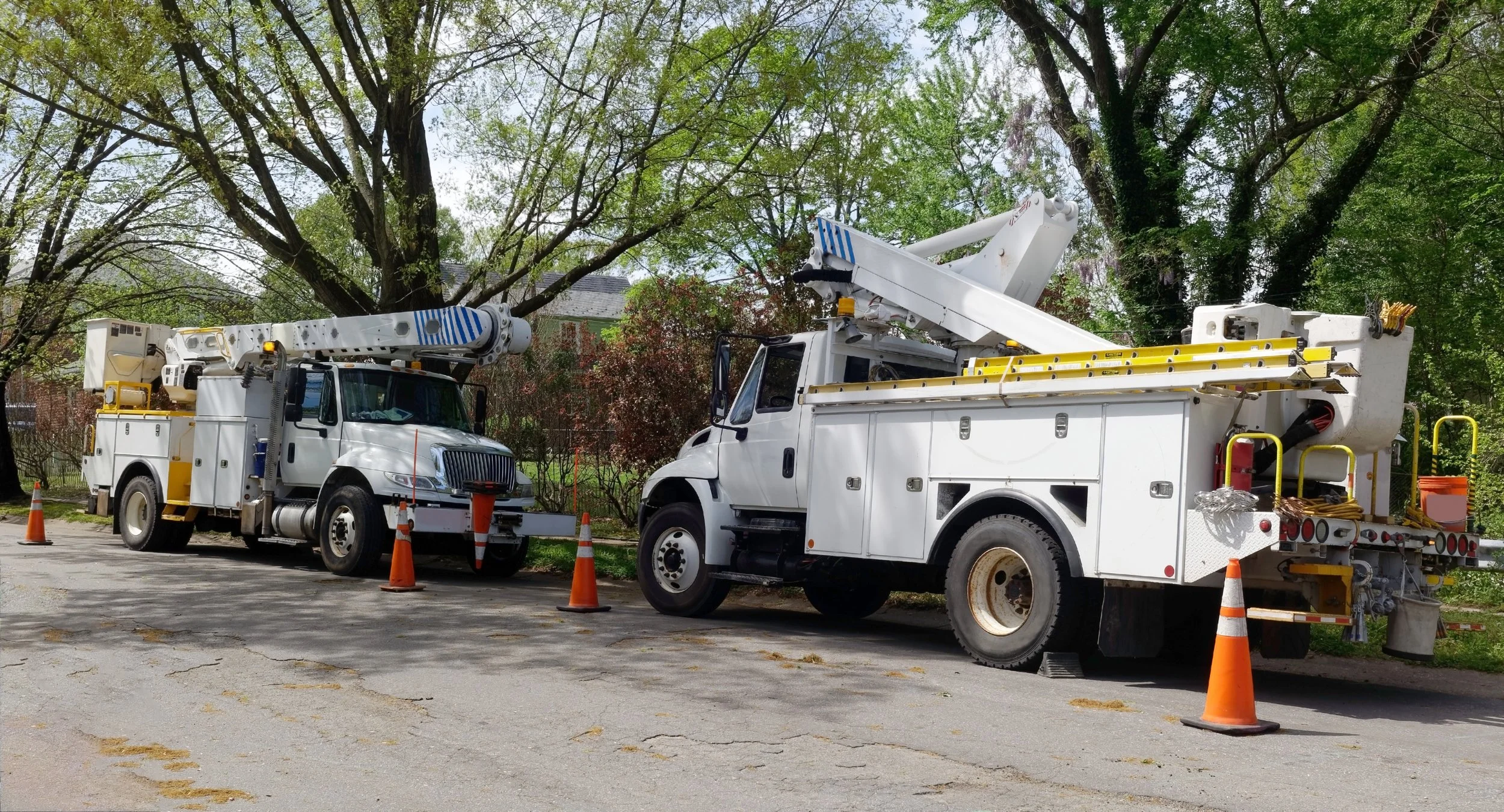
Proximity enables fast response. When problems emerge, Pennsylvania-based crews mobilize within hours, not days. Equipment, materials, and experienced technicians are already in the region. There's no need to coordinate long-distance logistics or wait for specialized gear to arrive from distant warehouses.
This responsiveness matters most during emergencies. When weather damages aerial fiber or equipment failures take customers offline, every hour of downtime costs revenue and erodes customer confidence. Local crews restore service quickly because they're already nearby.
Equipment and material staging advantages. Regional contractors maintain stocked warehouses within the service area. Common replacement parts, splice closures, cable, and hardware are on hand. National contractors often operate just-in-time supply chains that work well in urban markets but create delays in rural deployments where overnight shipping isn't always reliable.
Understanding Rural Economics and Community Dynamics
Rural fiber buildouts operate under different economics than urban projects. Lower customer density, longer route miles per subscriber, and grant funding requirements create financial constraints that demand cost discipline.
Local contractors understand rural project economics. They design builds that maximize coverage within budget, avoid over-engineering where simple solutions work, and identify cost-saving opportunities that maintain quality without padding timelines.
National contractors often bring urban deployment models to rural projects, resulting in unnecessary expenses and approaches that don't fit rural realities.
Community relationships matter. Rural fiber projects require cooperation from landowners, local officials, and community organizations. Pennsylvania-based crews often have existing relationships in the communities they serve. They understand local concerns, communicate in familiar terms, and build trust more easily than outside contractors arriving for a single project.
For BEAD-funded projects with community engagement requirements, local presence strengthens applications and smooths project execution.
Workforce Stability and Accountability
Crew consistency affects project quality. When the same technicians work a route from start to finish, they maintain quality standards, understand project-specific requirements, and take ownership of results.
Pennsylvania-based contractors employ regional workforces: Technicians live in the area, work on multiple projects in the same region, and build careers with local companies. This creates stability and accountability that transient crews cannot match.
National contractors often rotate crews between distant markets. Technicians unfamiliar with the region work the project for weeks, then move to another state. Quality suffers when crews lack long-term stake in the work.
Training and certification consistency: Regional contractors invest in workforce development because their employees stay with the company. Technicians receive ongoing training, maintain current certifications, and develop expertise in the specific construction methods the company uses.
High crew turnover that plagues national contractors creates knowledge gaps and inconsistent workmanship.
Long-Term Support and Network Maintenance
Fiber networks require ongoing maintenance, periodic testing, and occasional repairs. The construction partner who builds your network should be available for the network's operational life, not just the initial deployment.
Local contractors provide long-term support: When issues arise years after construction, Pennsylvania-based crews return to troubleshoot problems, perform maintenance, and execute network expansions. They maintain documentation, understand the network topology, and have institutional knowledge about installation decisions.
Contractors based outside the region often lack capacity for ongoing support in distant markets. Getting them back for maintenance work becomes difficult and expensive.
Regional Expertise: The Competitive Advantage
For rural fiber projects in Pennsylvania and the Northeast, local construction expertise translates directly to better project outcomes. Faster permitting, weather-informed scheduling, rapid problem resolution, cost-effective design, and reliable long-term support all stem from regional presence and experience.
National contractors bring scale and resources, but rural fiber buildouts succeed on local knowledge, community relationships, and sustained commitment to the region. The lowest bid doesn't always deliver the best value when projects stretch across challenging terrain, navigate complex permitting, and require multi-year execution timelines.
Pennsylvania-Based Aerial Fiber Expertise
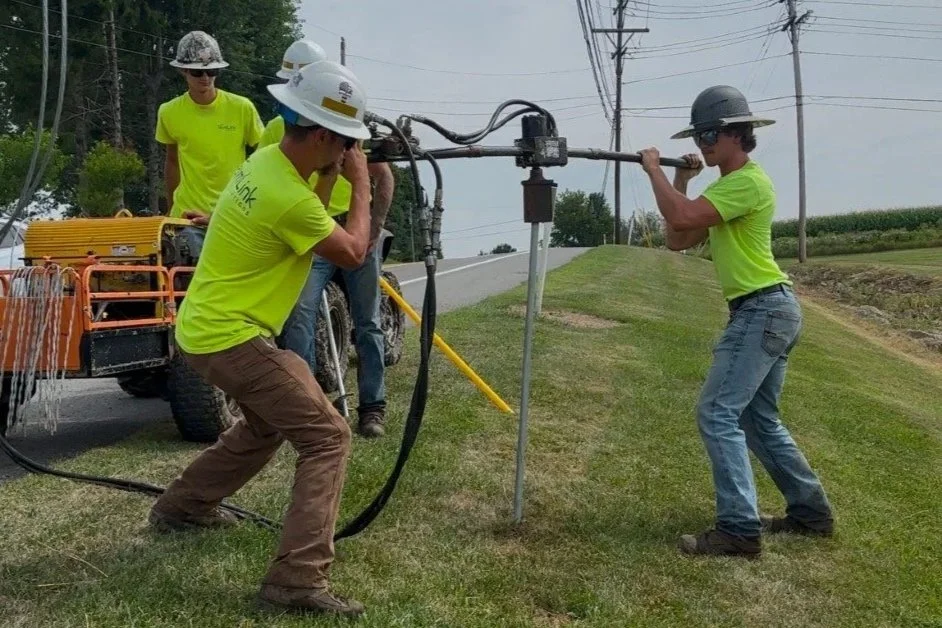
TermLink Solutions brings deep Pennsylvania roots to rural fiber deployments across the Northeast. Our crews live and work in the communities we serve, understand regional construction challenges, and maintain the relationships and local knowledge that keep projects on schedule and within budget.
From BEAD-funded municipal networks to rural ISP expansions, we deliver aerial fiber construction with the responsiveness, quality, and long-term support that comes from being based in the region we serve.
Contact us today to discuss your rural fiber project and learn how Pennsylvania-based construction expertise delivers better results than distant contractors learning the region on your timeline.
