

When Does It Make Sense to Upgrade from Copper to Fiber?
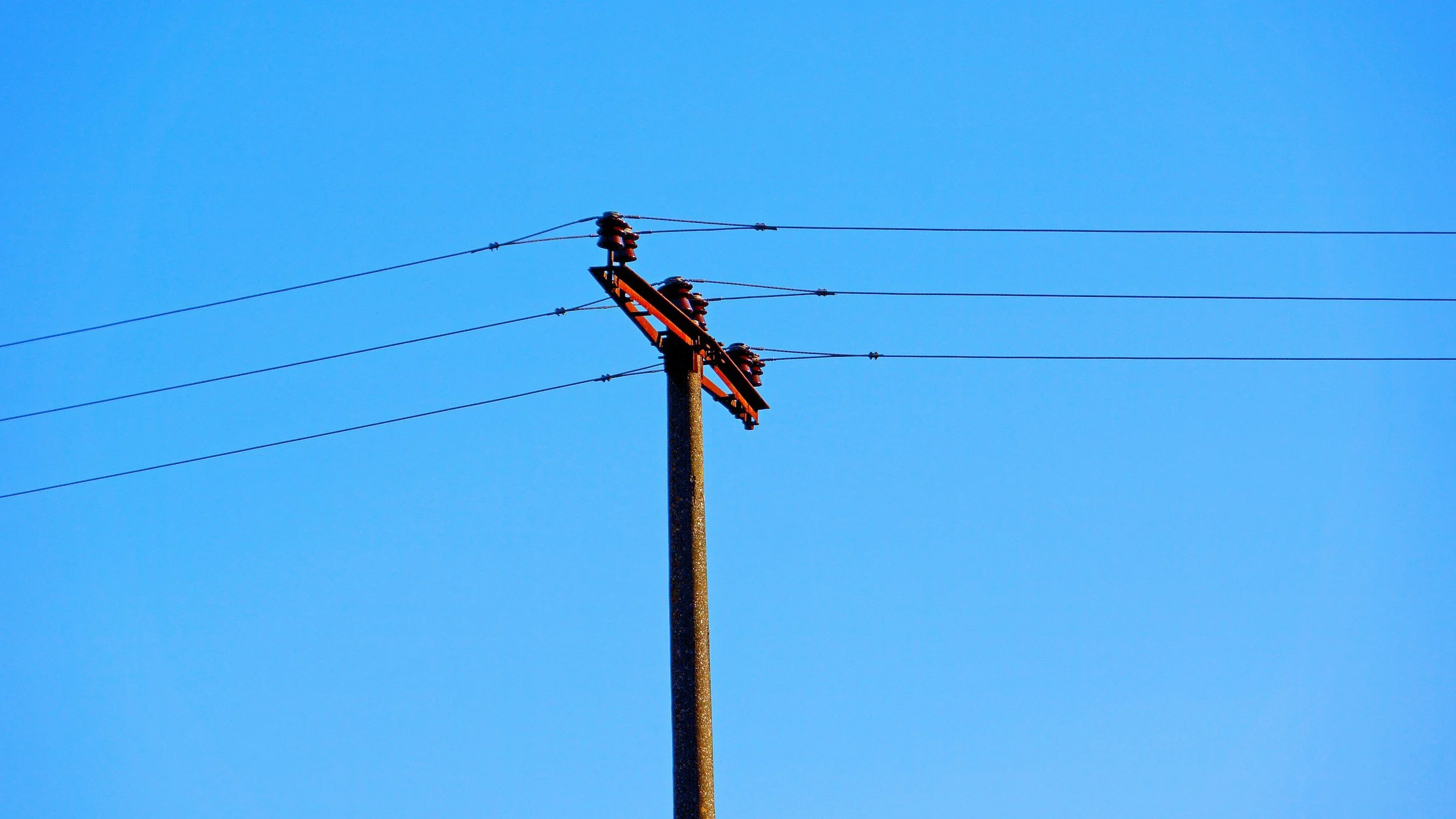
Copper networks have served telecommunications well for over a century. But today's bandwidth demands, rising maintenance costs, and network reliability requirements are pushing ISPs, municipalities, and telecom providers toward a critical decision: when does it make financial and operational sense to upgrade from copper to fiber?
The answer isn't always "immediately." While fiber offers clear long-term advantages, the transition requires upfront investment and careful planning. Understanding the specific conditions that tip the scale in favor of fiber helps you make an informed decision and avoid costly mistakes.
The Declining Economics of Copper Networks
Copper infrastructure isn't getting cheaper to maintain. As networks age and demand increases, the total cost of ownership for copper-based systems continues to rise.
Maintenance costs are escalating: With truck roll costs averaging anywhere from $160 to $600 per instance by conservative estimates, network operators should be in the business of reducing them across the board. Some estimates peg truck roll costs at $1,000 or more when all expenses, including fully loaded labor costs, are captured.
Copper networks generate more service calls than fiber. Water infiltration, corrosion, electromagnetic interference, and signal degradation over distance all create failure points that require technician visits. Each truck roll adds to your operational expenses.
Regulatory pressures are mounting: Copper networks are not able to comply with the FCC's anti-spoofing STIR/SHAKEN protocol, which requires phone companies to verify that caller ID information transmitted with a call matches the caller's actual phone number. As regulatory requirements evolve, maintaining copper compliance becomes increasingly difficult.
The raw material cost advantage is shifting: As demand for copper decreases in telecommunications, prices continue rising. Meanwhile, fiber deployment costs are declining as manufacturing scales and installation techniques improve. The economics that once favored copper for new builds have reversed.
Clear Signals It's Time to Upgrade
Certain conditions make the case for fiber migration obvious. If you're experiencing any of these situations, the cost-benefit analysis likely favors immediate transition planning.
Your Network Can't Meet Bandwidth Demands
When customers consistently complain about slow speeds, buffering during video calls, or inability to use cloud applications effectively, your copper infrastructure has hit its ceiling. Copper-based DSL and bonded copper technologies max out far below fiber's capabilities.
If you're running out of bandwidth headroom and customers are leaving for competitors offering fiber, the revenue loss outweighs migration costs.
Maintenance Expenses Are Consuming Your Budget
Track your annual maintenance spending on copper infrastructure. If you're spending significant portions of your operating budget on truck rolls, line conditioning, and equipment replacement, fiber's lower maintenance profile delivers measurable ROI.
AT&T has reported that fiber was 35% less costly to maintain than copper. For networks with high service call volumes, this difference compounds year over year.
Storm Damage Is Recurring
Legacy copper networks are particularly vulnerable. They're less capable of weathering storms than fiber-based networks Bbcmag. If your network experiences regular outages from weather events, ice loading, or water infiltration, fiber's resilience to these environmental factors justifies migration.
Many operators rebuilding after catastrophic weather events choose fiber rather than replacing copper with more copper. But waiting for disaster before upgrading means extended downtime and emergency pricing. Proactive migration on your timeline costs less than reactive rebuilding under pressure.
You're Losing Customers to Fiber Competitors
When competitors deploy fiber in your service area, copper-based offerings become uncompetitive. Customers migrating to fiber providers for speed and reliability represent lost revenue that accelerates over time.
If market pressure is forcing rate reductions to retain copper customers while fiber providers maintain premium pricing, your revenue per customer declines. Fiber migration becomes a competitive necessity, not just a technical improvement.
Grant Funding Is Available
BEAD and other federal broadband programs prioritize fiber deployment. If grant funding can offset 50-75% of migration costs, the financial barrier to upgrade drops dramatically.
For rural ISPs and municipal networks, grant-funded fiber projects that would take decades to justify on operating revenue alone become feasible within standard capital planning cycles.
When Copper Still Makes Sense (For Now)
Not every situation demands immediate fiber migration. Some circumstances justify maintaining copper infrastructure while planning eventual transition.
Short remaining service life: If you're planning to exit a service area within 3-5 years, major copper-to-fiber investment may not recover costs before you decommission the network.
Very low customer density with stable demand: Extremely rural areas with a handful of customers on long copper runs may not justify fiber economics if current service meets minimal requirements and customers aren't demanding upgrades.
Interim solutions meet immediate needs: Bonded copper, vectoring, and other enhancement technologies can extend copper network life temporarily while you plan systematic fiber migration. These aren't permanent solutions, but they can bridge gaps when immediate fiber deployment isn't feasible.
However, even in these cases, "copper for now" should come with a defined fiber migration timeline. Continuing to invest in copper infrastructure for the long term locks you into declining technology.
Strategic Approaches to Fiber Migration
When the decision tips toward fiber, how you execute the transition matters as much as the decision itself.
Phased Migration vs. Wholesale Replacement
Rather than wholesale equipment replacement, consider systematically moving key parts of the network to fiber infrastructure while keeping other parts rooted in copper temporarily.
Identify high-value areas first. Urban cores, business districts, and high-density residential areas with strong revenue potential should migrate before low-density rural routes. This approach spreads capital costs over multiple budget cycles while generating revenue from fiber customers earlier.
Overbuild vs. Replacement
Aerial fiber deployment allows overbuilding existing copper routes without removing copper infrastructure immediately. Crews can lash fiber to existing poles, activate fiber customers, and decommission copper segments as customer migration completes.
This approach maintains service continuity, avoids forced customer migrations, and allows natural transition as customers upgrade. For networks with aerial copper infrastructure, overbuild strategies minimize disruption and risk.

The Cost-Benefit Timeline
Fiber migration requires upfront capital but delivers ongoing operational savings. Understanding the payback timeline helps justify the investment.
Reduced truck rolls and maintenance costs begin immediately after fiber activation. Lower ongoing operating expenses compound year over year. Customer retention and revenue growth from competitive fiber offerings offset migration costs within 3-7 years for most networks.
Grant funding accelerates payback significantly. A BEAD-funded project covering 60% of construction costs can reach breakeven in 2-3 years rather than 5-7 years for self-funded builds.
Long-term network value increases substantially. Fiber infrastructure supports bandwidth growth for decades without major replacement, while copper networks require continuous reinvestment to maintain even current service levels.
Making the Decision
The question isn't whether to migrate from copper to fiber, but when. Copper networks are on a one-way path toward obsolescence. The only question is whether you migrate proactively on your timeline or reactively under competitive or regulatory pressure.
Evaluate your specific situation: current maintenance costs as a percentage of revenue, competitive pressure from fiber providers in your market, customer churn rates and bandwidth demand trends, availability of grant funding for fiber projects, and remaining useful life of existing copper plant.
If multiple factors point toward fiber, delaying the decision increases long-term costs without improving outcomes.
Expert Fiber Construction for Network Migration
TermLink Solutions specializes in aerial fiber construction for ISPs, municipalities, and telecom providers upgrading from copper infrastructure. Our Pennsylvania-based crews understand the operational realities of network migration and deliver fiber deployment that minimizes service disruption while maximizing cost efficiency.
We work with network operators to develop phased migration strategies, execute aerial overbuild projects, and deliver fiber installations that meet both immediate operational needs and long-term network goals.
Contact us today to discuss your copper-to-fiber migration timeline and learn how experienced aerial fiber construction accelerates your transition while controlling costs.
