

The Leadership Shift Happening Quietly Across the Trades
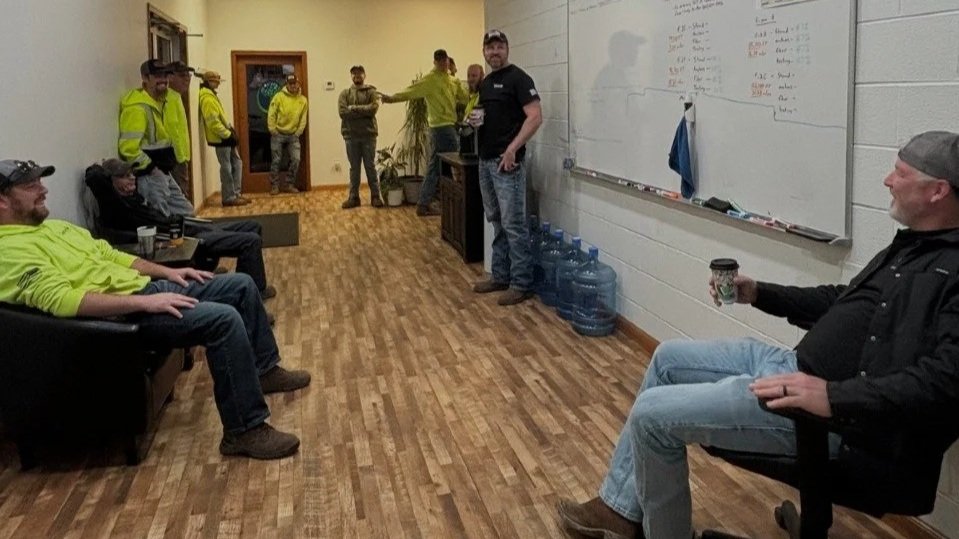
For a long time, leadership in the trades followed a familiar pattern.
Loud direction. Constant urgency. Visible control. The belief that strong leadership meant being the most vocal presence on the job site.
That model is beginning to fade.
As the industry moves toward 2026, a quieter leadership style is emerging, one built on consistency, discipline, and control rather than volume. Calm leadership is replacing loud management, and the shift is already influencing how teams perform, communicate, and stay engaged.
Loud Management Was a Product of Its Time
Historically, loud management often filled gaps in systems and structure.
When processes were informal and expectations were unclear, leaders relied on force of personality to maintain momentum. Urgency became a substitute for preparation.
In many cases, it worked well enough to keep projects moving.
But as infrastructure work has grown more complex, this approach has started to create friction rather than clarity.
Complexity Demands Control, Not Volume
Modern infrastructure projects involve more coordination, more stakeholders, and less tolerance for error.
In this environment, constant urgency creates noise. Noise leads to confusion. Confusion slows execution.
Calm leadership in construction prioritizes control over reaction. It focuses on:
Clear expectations
Consistent communication
Steady decision-making
Predictable responses under pressure
This leadership style reduces variability rather than amplifying it.
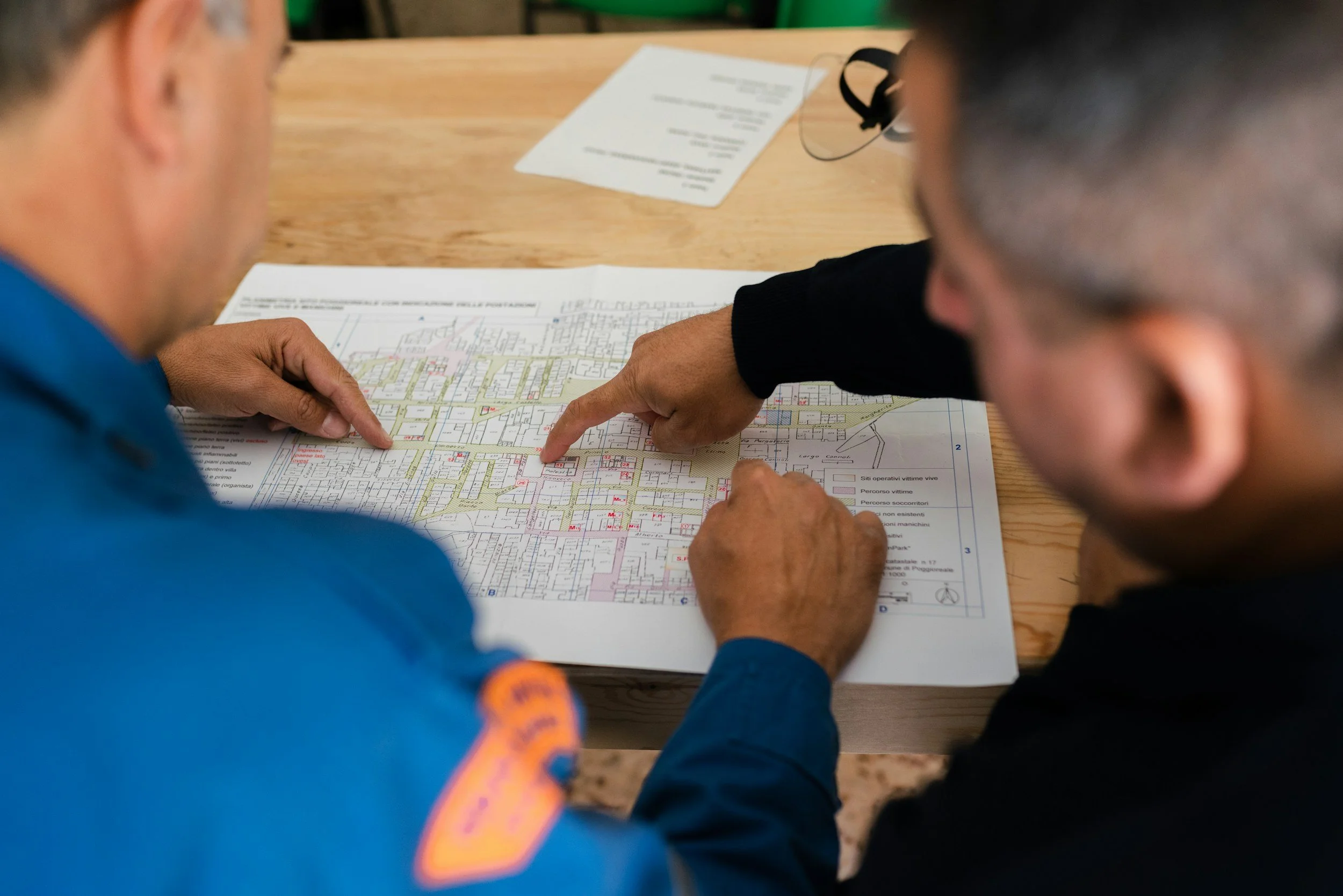
Calm Leadership Builds Trust Faster
Trust is built when teams know what to expect from their leaders.
Do not change direction unnecessarily
Communicate clearly and early
Address issues without escalation
Maintain standards regardless of conditions
Over time, this predictability builds confidence. Teams perform better when they are not bracing for sudden changes or emotional reactions.
Leadership in the trades is becoming less about command presence and more about reliability.
Experienced Workers Are Driving the Shift
One of the strongest forces behind this leadership evolution is the workforce itself.
Experienced professionals are less responsive to volume and more responsive to competence. They recognize the difference between urgency and effectiveness.
Modern trade leadership resonates with workers who value:
Clear priorities
Respect for experience
Calm problem-solving
Stable leadership presence
As experienced workers become more selective, they gravitate toward environments where leadership feels steady rather than reactive.
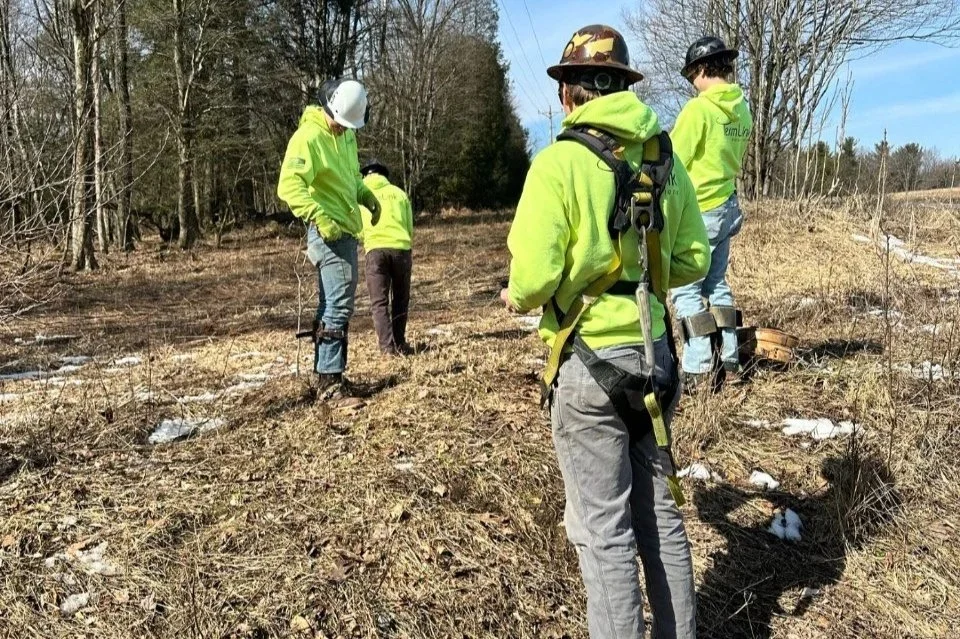
Calm Leadership Reduces Burnout
Burnout is often associated with workload, but in the trades, unpredictability plays a larger role.
Leaders who operate in constant crisis mode create stress that accumulates across teams. Even high-performing workers struggle in environments where expectations shift daily.
Disciplined leadership in infrastructure reduces burnout by creating rhythm. When teams know what is expected and trust leadership decisions, mental strain decreases and performance improves.
Performance Improves When Leadership Is Steady
Calm leadership does not mean passive leadership.
It means leaders are prepared enough to respond without panic. It means decisions are made intentionally rather than emotionally.
This approach improves performance by:
Reducing rework caused by miscommunication
Improving coordination between teams
Supporting consistent execution
Creating space for proactive improvement
In contrast, loud management often creates short-term compliance but long-term instability.

The Shift Is Subtle but Significant
This leadership change is happening quietly.
There are no announcements. No formal declarations. Just a growing recognition that control beats chaos and consistency beats intensity.
Construction management evolution is being driven by teams that value discipline, preparation, and calm execution over constant urgency.
By 2026, this leadership style will be expected rather than exceptional.
What This Means Going Into 2026
As the trades continue to evolve, leadership expectations will continue to rise.
Teams will look to leaders who:
Maintain clarity under pressure
Communicate without escalation
Hold standards consistently
Lead through preparation, not reaction
The leaders who adapt early will build stronger, more resilient teams. Those who rely on volume and urgency will find it harder to retain trust and talent.
Final Thought
The strongest leaders in the trades are no longer the loudest voices on the job site.
They are the calmest presence in the room.
As this shift continues, calm leadership will quietly become the standard others are measured against, whether they realize it yet or not.
