Why Workforce Retention Is Becoming a Risk Management Issue

Workforce retention has traditionally lived in one lane.
Human resources. Recruiting strategy. Culture initiatives. Compensation discussions.
As infrastructure work moves toward 2026, that separation no longer reflects reality.
Retention is no longer just about people management. It is becoming a core risk management issue, with direct impact on execution quality, project predictability, and operational stability.
Retention Has Moved Beyond HR
For years, workforce retention was framed as an internal concern. Something to address after projects were staffed and schedules were set.
That approach is increasingly outdated.
In modern infrastructure work, retention directly affects:
Execution consistency
Communication flow
Safety outcomes
Timeline reliability
Institutional knowledge
As a result, HR and operations strategy are beginning to overlap. Retention decisions now shape operational risk just as much as planning or procurement decisions do.
Turnover Introduces Hidden Risk
When turnover occurs, the immediate impact is visible. Positions need to be filled. New workers onboard. Teams adjust.
What is less visible is the operational exposure that follows.
Each workforce change introduces:
Temporary productivity loss
Knowledge gaps
Increased supervision requirements
Inconsistent execution patterns
Over time, these disruptions compound. Workforce retention risk becomes harder to measure, but its effects become more costly.

Stability Protects Execution Quality
Retention in infrastructure projects supports execution quality in ways that are often underestimated.
Stable teams:
Understand expectations without constant reinforcement
Communicate more efficiently
Identify issues earlier
Maintain standards under pressure
When teams remain intact, fewer variables are introduced into daily operations. This stability reduces the likelihood of errors, delays, and rework.
In contrast, high turnover forces organizations into a constant reset cycle that increases operational risk.
Retention Is a Leading Indicator of Risk
One of the most important shifts happening is how retention is being viewed in risk planning.
Retention used to be a lagging indicator. A signal that something had already gone wrong.
In 2026, workforce retention is becoming a leading indicator.
Rising turnover often precedes:
Inconsistent execution
Declining morale
Communication breakdowns
Increased oversight needs
Organizations that monitor retention trends closely can identify risk before it appears on project reports.

HR and Operations Are Becoming Interdependent
As retention becomes more critical to execution, HR can no longer operate separately from operations.
Workforce risk management now requires collaboration between:
HR teams tracking retention and engagement
Operations leaders managing execution consistency
Leadership setting standards and expectations
This integration allows organizations to address retention challenges proactively rather than reactively.
In 2026, the most resilient infrastructure teams will treat workforce planning as part of operational risk strategy, not a parallel effort.
Experienced Workers Are Raising the Bar
The workforce itself is driving this shift.
Experienced professionals are more selective and less tolerant of instability. They recognize environments where retention is prioritized and those where turnover is normalized.
Construction workforce retention improves in organizations that offer:
Predictable job sites
Consistent leadership
Clear expectations
Professional operating environments
As experienced workers gravitate toward these environments, retention becomes a competitive advantage as well as a risk mitigator.
Retention Reduces Oversight and Intervention
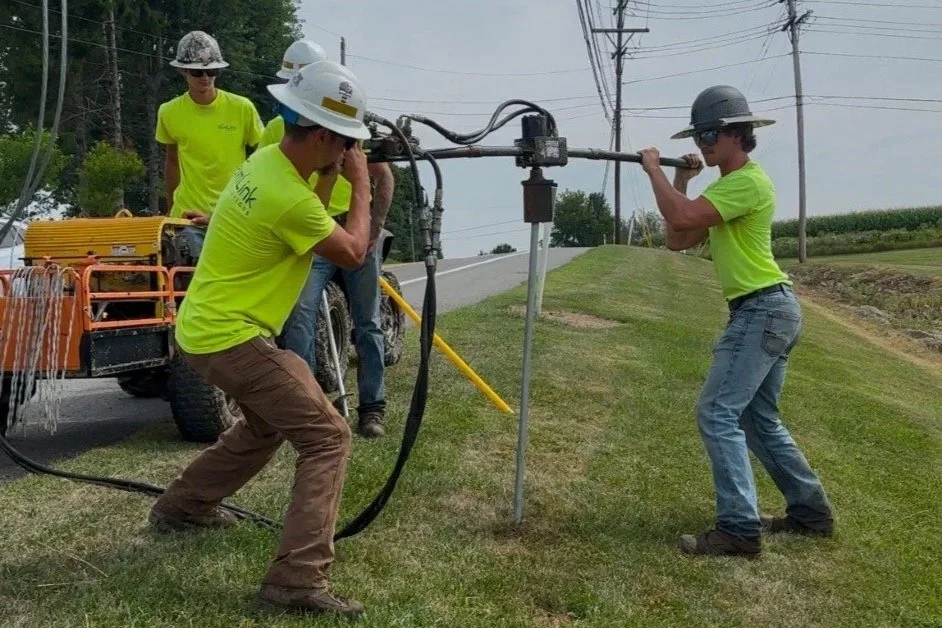
High-retention teams require less intervention.
When crews are familiar with systems and leadership, fewer corrections are needed. Communication flows more smoothly. Decisions are executed consistently.
This reduces the operational burden on leadership and allows teams to focus on improvement rather than damage control.
From a risk perspective, this stability lowers exposure across all phases of a project.
What This Means Going Into 2026
As infrastructure projects continue to grow in scale and complexity, tolerance for avoidable risk will continue to shrink.
Organizations that treat retention as an HR-only concern will struggle to control execution variability. Those that integrate retention into risk planning will operate with greater predictability and resilience.
Workforce retention risk will increasingly influence how partners evaluate reliability and long-term performance.
Final Thought
Retention is no longer just about keeping people.
It is about protecting execution, preserving knowledge, and reducing operational exposure.
As 2026 approaches, organizations that recognize retention as a risk management issue will quietly outperform those still treating it as a secondary concern.
