What the Next Generation of Trade Professionals Is Actually Looking For
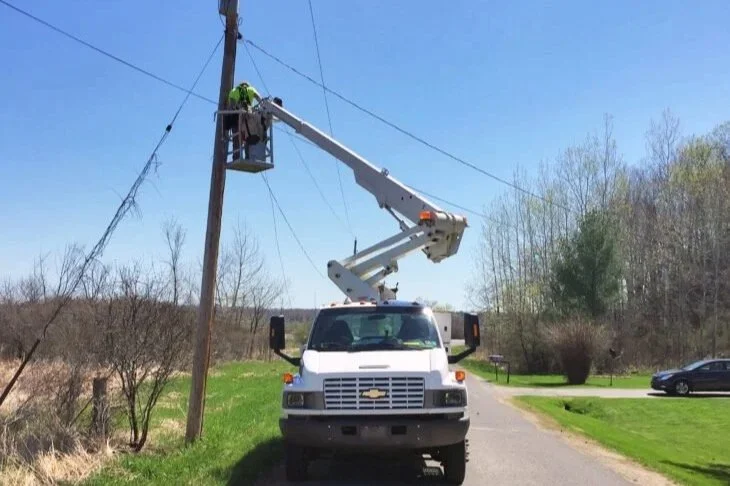
The conversation around attracting the next generation of trade professionals often starts in the wrong place.
More perks. More incentives. Louder recruiting campaigns.
While those tactics may grab attention, they miss a deeper shift already underway. The next generation entering the trades is not just evaluating opportunities differently. They are redefining what a “good” work environment looks like.
As the industry moves toward 2026, understanding this cultural shift in skilled labor expectations is no longer optional.
The Next Generation Is Not Less Committed
They Are More Selective
There is a common misconception that younger trade professionals lack commitment.
In reality, they are highly intentional.
They are choosing environments that align with their values, support long-term growth, and respect their time and effort. They are less willing to tolerate chaos, unclear expectations, or inconsistent leadership simply because “that’s how it’s always been.”
This selectiveness is not a lack of work ethic. It is a recalibration of priorities.
Clarity Beats Intensity
One of the strongest preferences among next generation trade professionals is clarity.
They want to know:
What is expected of them
How success is measured
Who is accountable
What standards apply, every day
High-intensity environments without structure feel unstable. Clear, disciplined environments feel professional.
Modern job site culture is shifting away from constant urgency and toward predictable execution. That shift resonates strongly with younger professionals who value consistency over chaos.

Professionalism Is a Non-Negotiable
Professionalism is no longer seen as optional or aspirational. It is expected.
The next generation associates professionalism with:
Respectful communication
Organized job sites
Consistent leadership presence
Clear processes and expectations
They are less impressed by bravado and more influenced by how teams operate when pressure increases. Construction workforce culture is now being evaluated through daily experience, not slogans or recruiting messages.
Growth Is About Skill, Not Just Title
Another key shift is how growth is defined.
The next generation is not focused solely on job titles or tenure. They are looking for:
Skill development
Exposure to responsibility
Opportunities to learn from experienced leaders
Clear pathways for improvement
They want to see how experience is built, not just promised. Environments that support learning without unnecessary stress are more attractive than those that rely on sink-or-swim mentalities.

Stability Matters More Than Flexibility Alone
Flexibility is often highlighted as a priority for younger workers. But flexibility without stability quickly becomes frustration.
The next generation values:
Predictable schedules
Consistent crews
Reliable leadership
Clear planning
Workforce expectations in construction are shifting toward environments where flexibility is supported by structure, not disorder.
Stability allows professionals to plan their lives and commit to long-term growth within an organization.
Leadership Style Is a Deciding Factor
Leadership plays a significant role in how the next generation evaluates opportunities.
They respond best to leaders who:
Communicate clearly
Stay calm under pressure
Hold consistent standards
Provide feedback without escalation
This preference reinforces the broader trend toward calm leadership and disciplined execution. Loud management styles are increasingly viewed as signs of instability rather than strength.

Culture Is Experienced, Not Marketed
Perhaps the most important shift is this: culture is no longer something people take on faith.
The next generation of trade professionals evaluates culture through lived experience. They pay attention to how teams interact, how decisions are made, and how standards are enforced.
Construction workforce culture is no longer defined by leadership statements. It is defined by daily operations.
What This Means Going Into 2026
As the workforce continues to evolve, organizations that cling to outdated assumptions will struggle to attract and retain talent.
Those that adapt by offering:
Predictable, professional environments
Clear expectations
Calm, consistent leadership
Real opportunities for growth
will quietly become destinations for the next generation of skilled professionals.
Final Thought
The next generation of trade professionals is not asking for less responsibility.
They are asking for better environments in which to carry it.
Organizations that understand this shift early will not need to chase talent. Talent will choose them.
