TermLink Fiber Files
Your Source for Real-World Fiber Expertise
Here you’ll find practical knowledge straight from the jobsite — splicing techniques, OTDR testing, design considerations, restoration workflow, and the details that make or break a network. If you build, maintain, or manage fiber, this is where you stay sharp.
OUR BLOGS
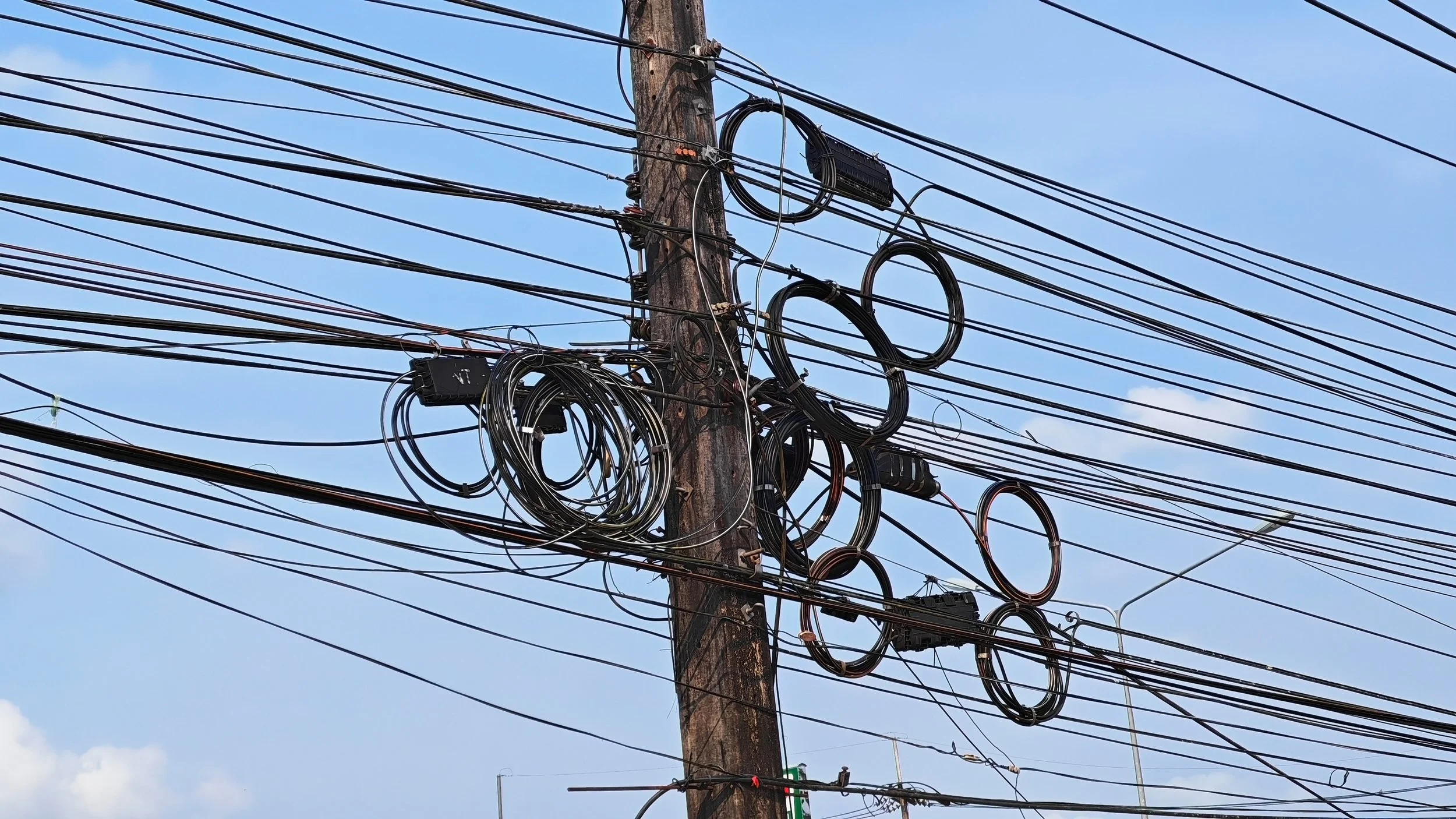
Pole Attachments in 2026: The Federal Rules Did Not Move, So the Local Ones Decide Your Schedule
If you are waiting on a broadband build to start, there is a good chance the holdup is a pole owned by someone else. The federal framework did not move in 2026, which means the specific owner of the specific poles on your route is what actually governs your schedule.
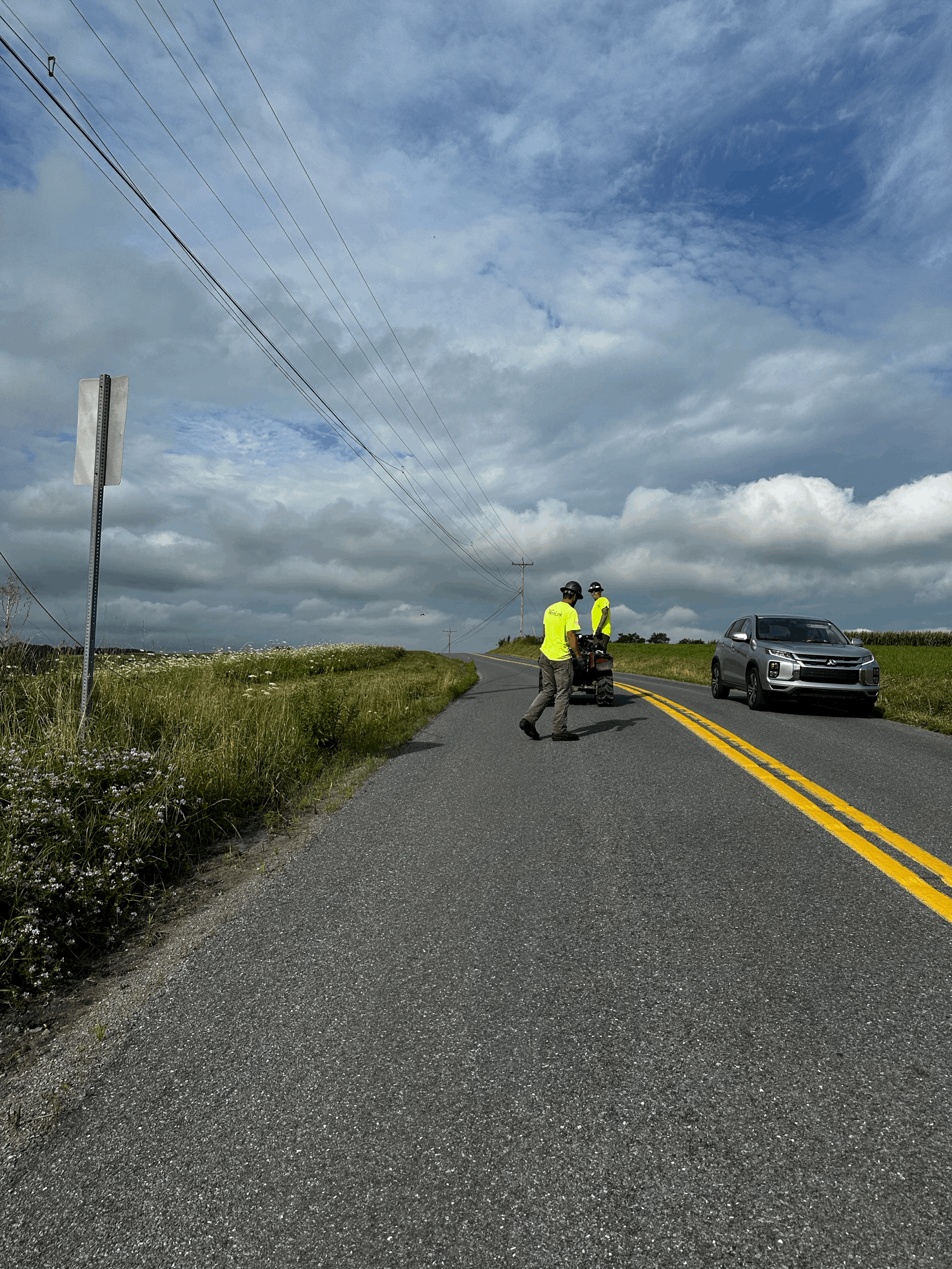
Open Access Networks: What They Change for the Crew and for the Community
An $83 million open access fiber project is coming to eight counties in our area, and most people who will buy service on it have never heard the phrase that defines it. Open access is a model, not a technology, and it changes what the network demands from the people who build it.
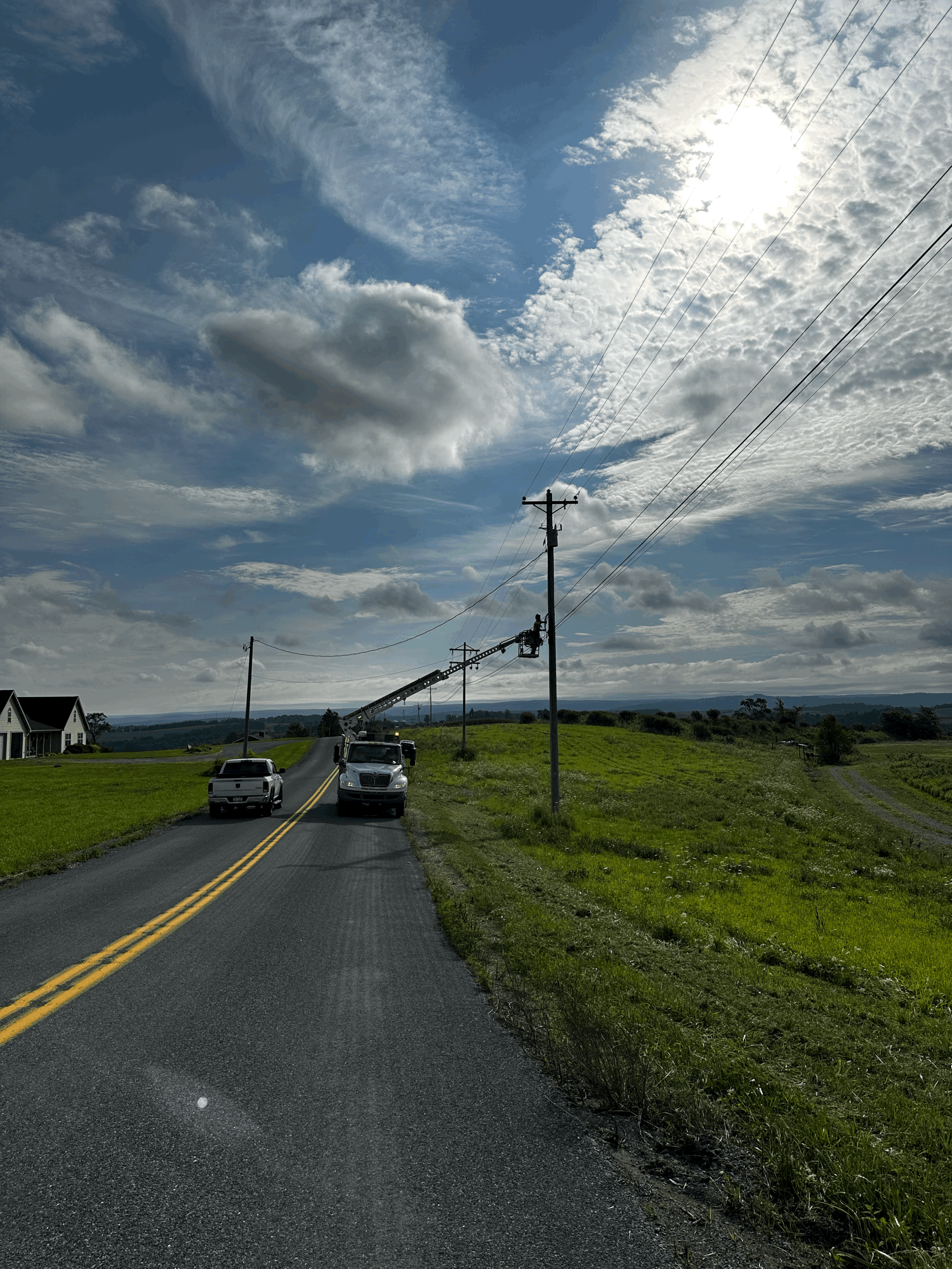
The BEAD Approvals Are Finished. Here Is What Has to Happen Before Anyone Strings Fiber.
Every state and territory now holds an approved BEAD spending plan, and a lot of people outside the industry assume the hard part is finished. An approved plan does not put a strand in the air. Here is the sequence that runs before a bucket truck leaves the yard, and where the real delays live.
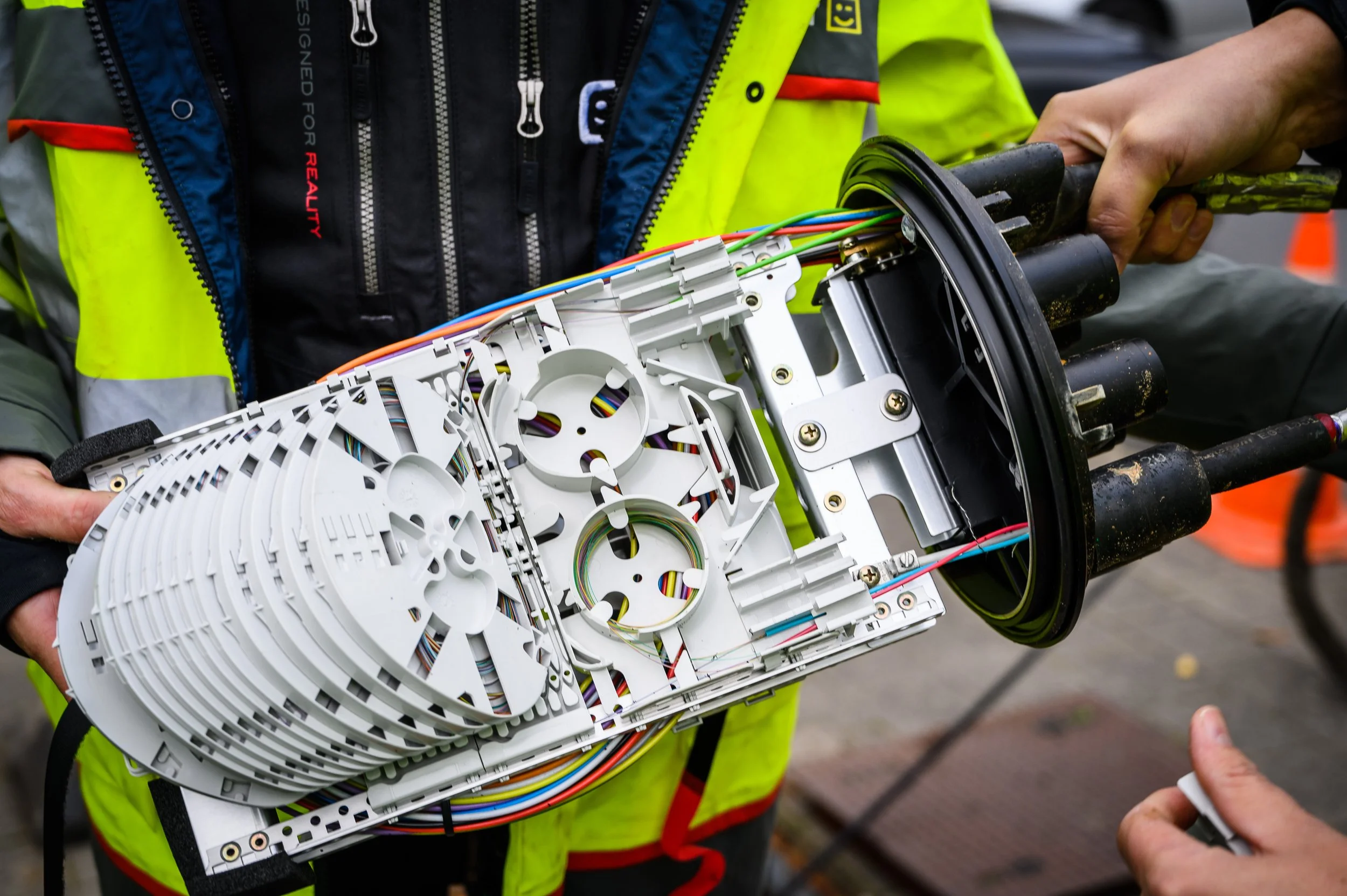
Aerial Slack Storage: Where to Place Loops and How Much to Leave
Stored slack lets you splice a closure at ground level and recover from a break without re-pulling a span. Here is where to place aerial loops and how much to leave.
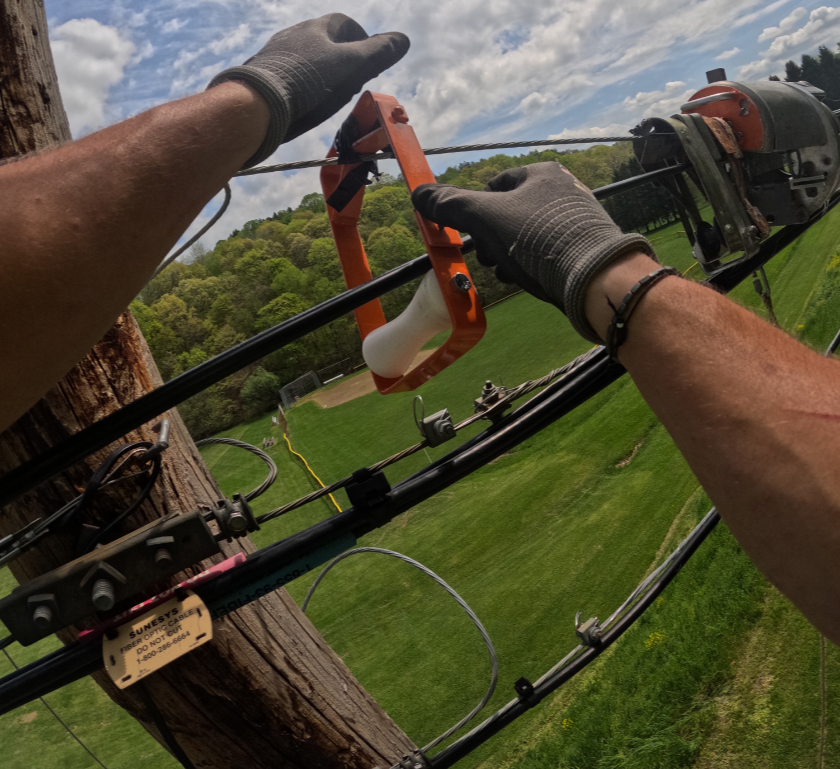
Grounding and Bonding Aerial Fiber: Lightning Protection That Holds Up in Storm Season
A lashed aerial line is metal from end to end, and storm season is when that matters. Here is how bonding and grounding the messenger strand protects your fiber from lightning.

Anchoring and Guying Aerial Fiber: Getting Tension and Down-Guy Placement Right
At every dead-end and corner, a down-guy holds your aerial fiber line in place. Here is how to size the anchor, set the guy angle, and tension without pulling the pole out of plumb.
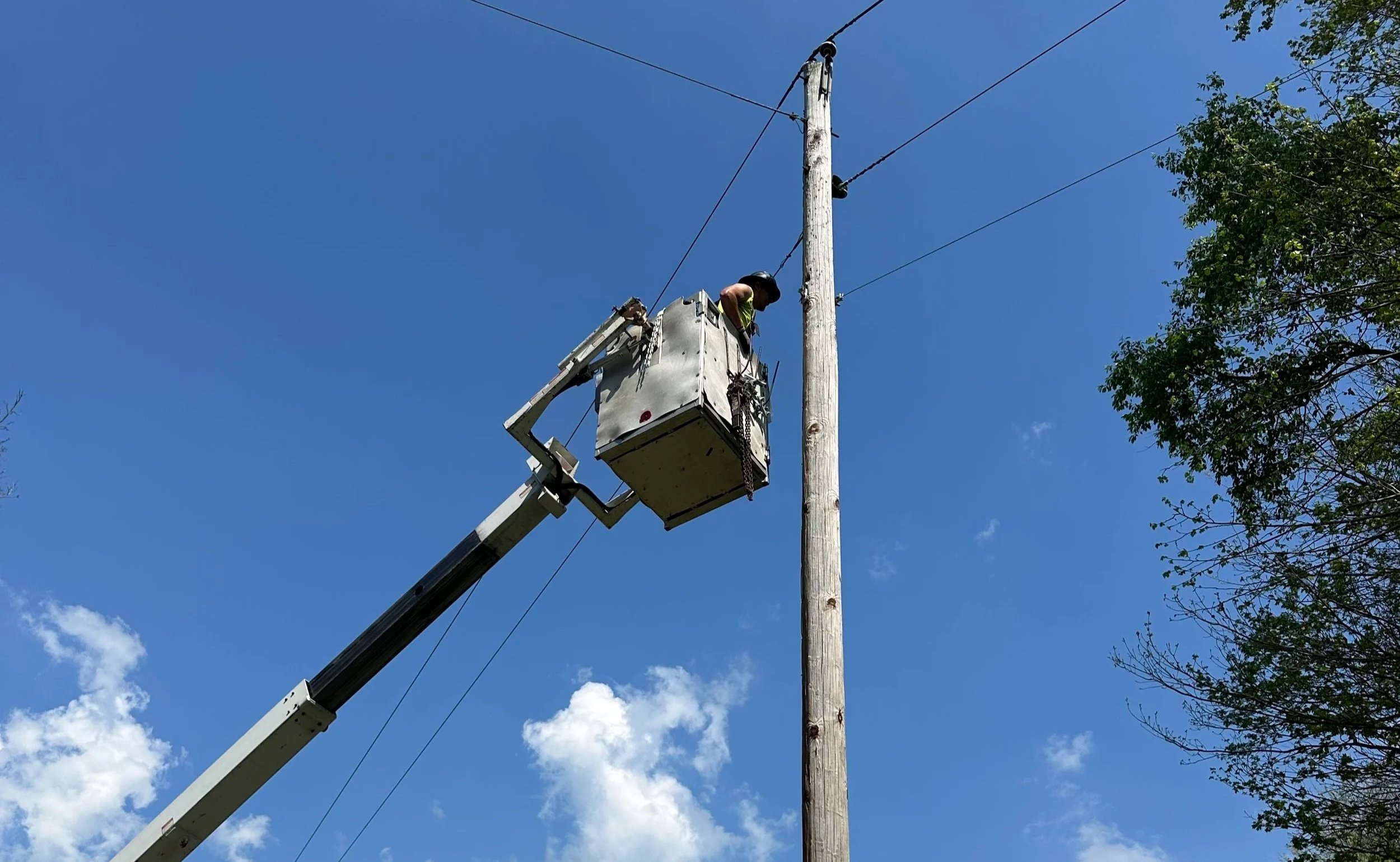
Call Before You Dig: How 811 and Utility Locating Protect Your Summer Builds
Aerial fiber crews break ground too. Here is how 811 and Pennsylvania One Call protect your summer build from costly strikes, fines, and lost legal protection.
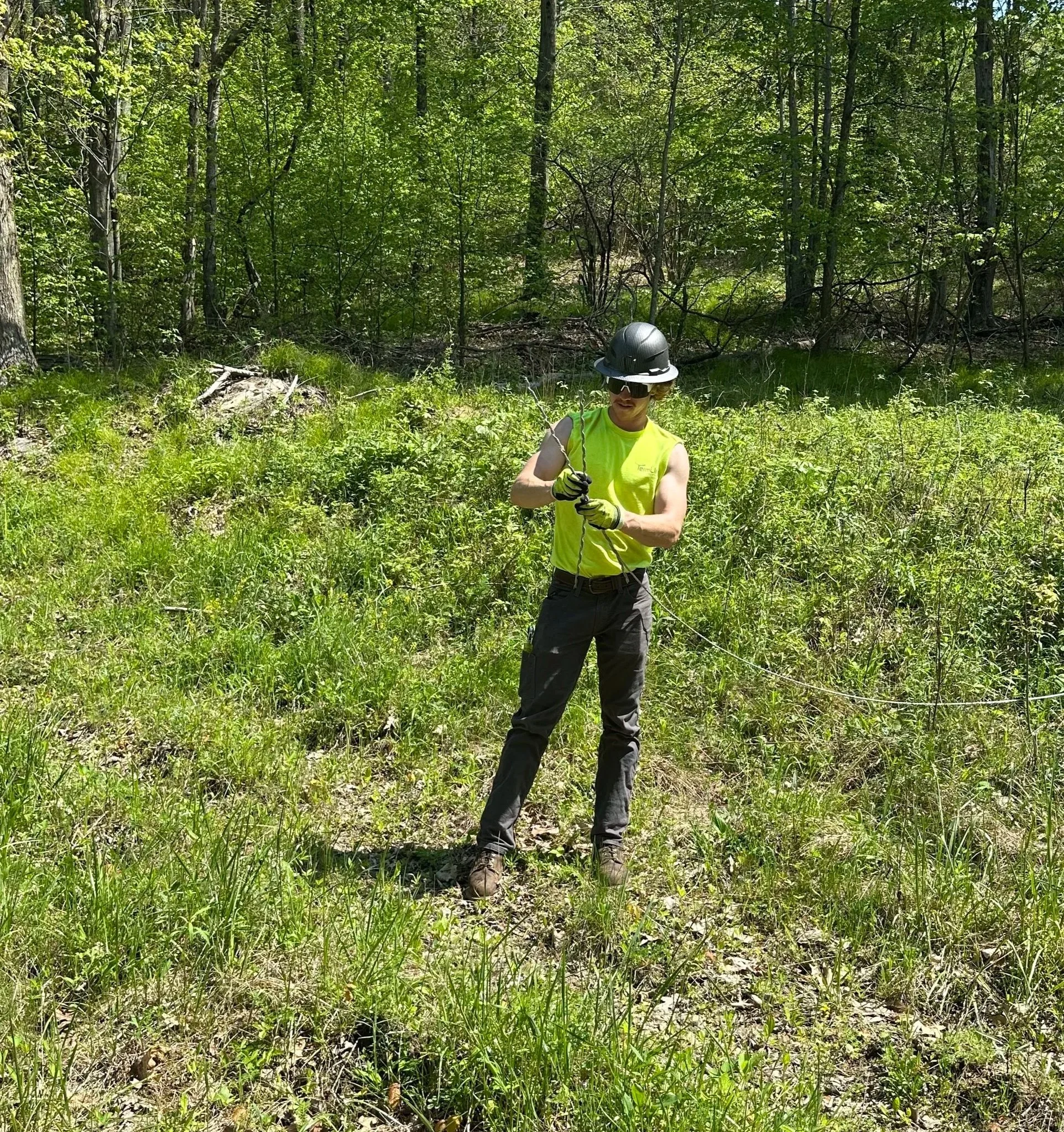
Strand and Lashing: Getting the Support Messenger Right on Aerial Builds
Every fiber project crosses land someone else controls. Here's how rights-of-way, easements, and franchise agreements actually work, and where projects go wrong.
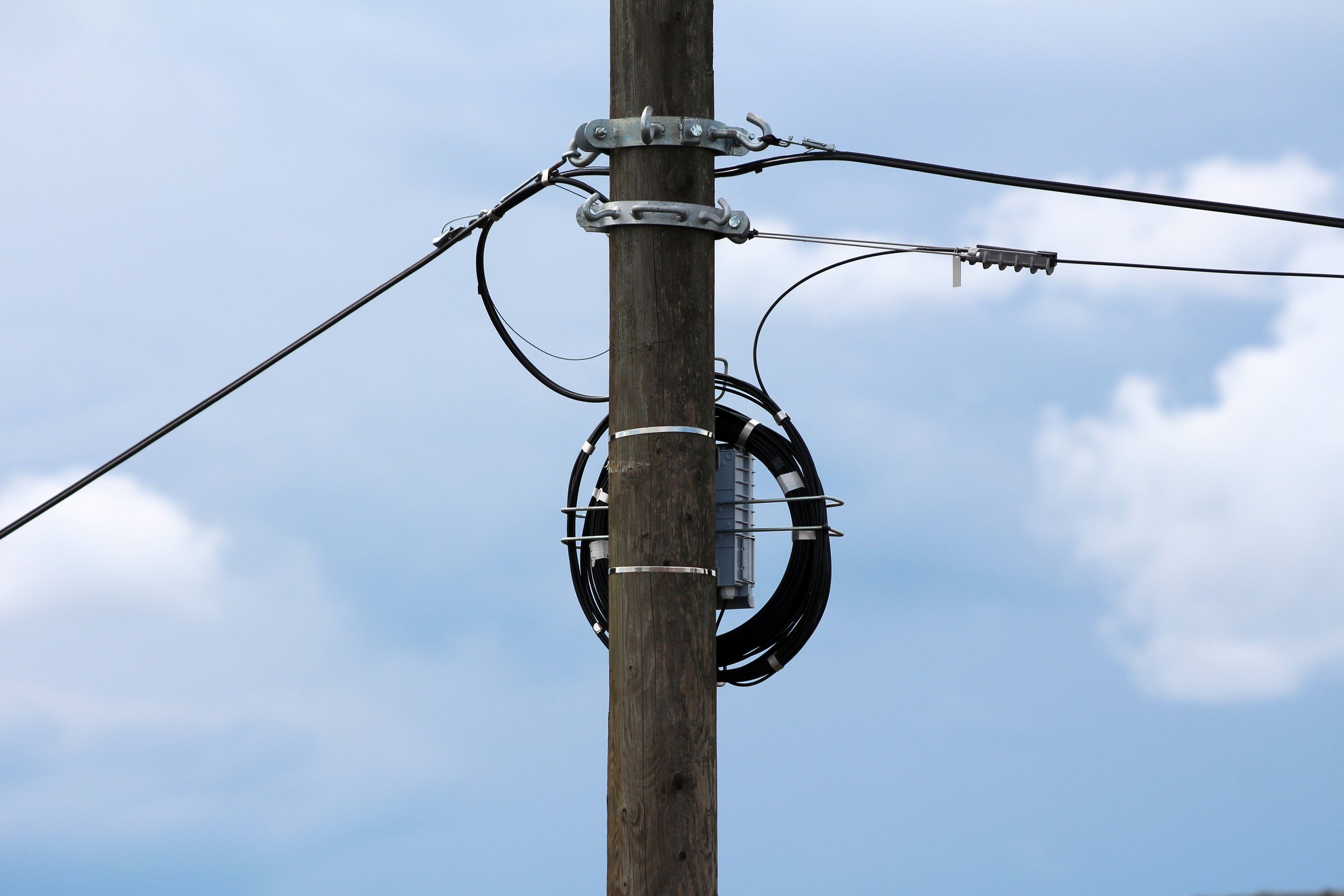
ADSS vs. OPGW vs. Figure-8: Choosing the Right Aerial Fiber Cable for Your Build
Every aerial fiber project starts with a cable selection decision. Here's how ADSS, OPGW, and figure-8 cable compare and when each one is the right call.
How Weather Affects Fiber Construction Timelines in the Northeast
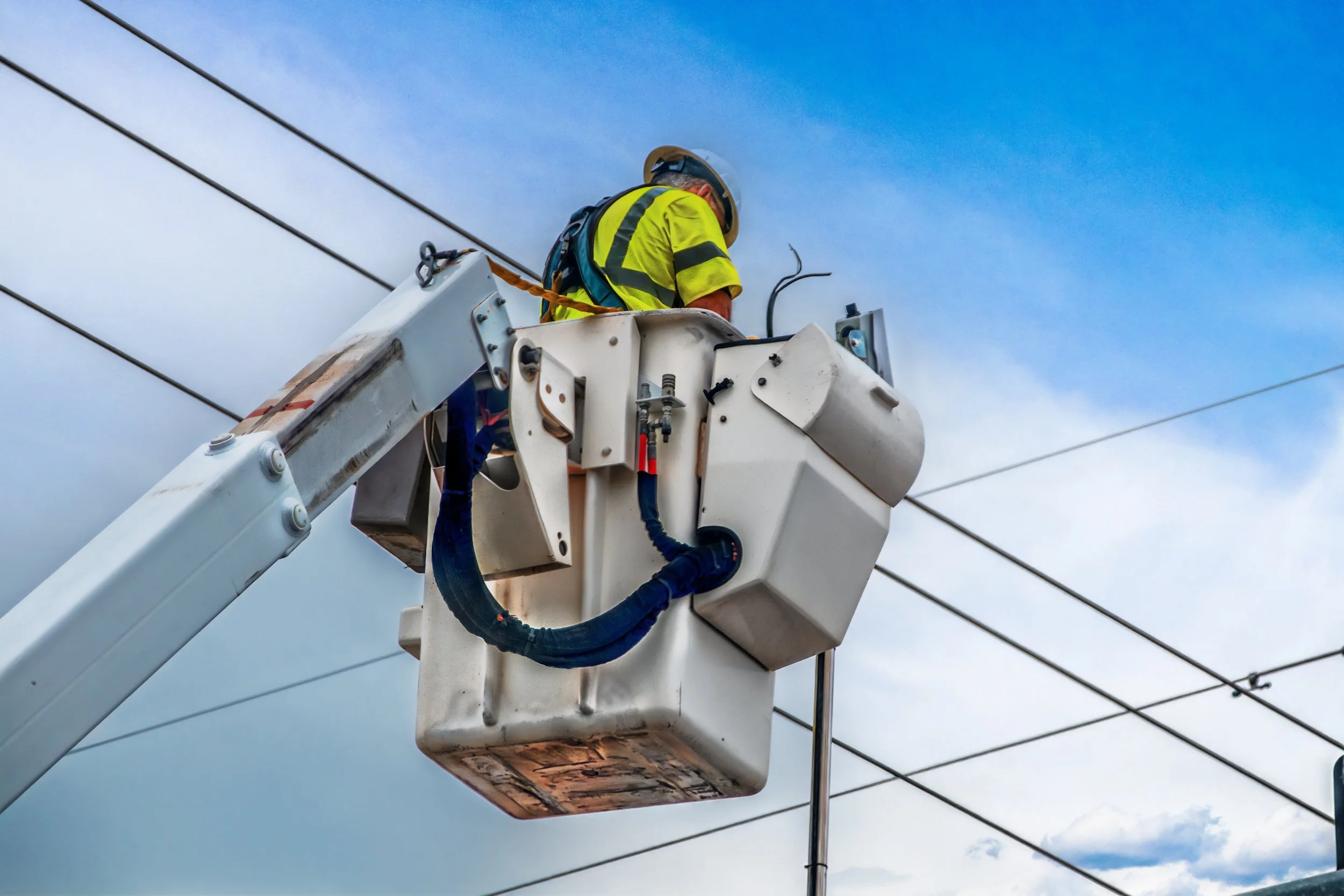
April marks the start of prime construction season in Pennsylvania and across the Northeast. Ice has cleared from utility poles, temperatures have stabilized, and aerial fiber construction crews are deploying at full productivity. For telecom providers, municipal broadband managers, and rural ISPs planning fiber deployments in the region, understanding how weather affects construction timelines is critical to realistic project scheduling and meeting grant compliance deadlines. The Northeast offers an effective 7-8 month construction window annually, with April through November representing optimal deployment periods. Winter ice loading, frozen ground, and extreme cold reduce productivity from December through March. For BEAD-funded projects with four-year completion requirements, this seasonal pattern means four construction seasons, not four calendar years. Smart planning around Northeast weather patterns maximizes productivity and keeps projects on schedule.
TECH DOCS