

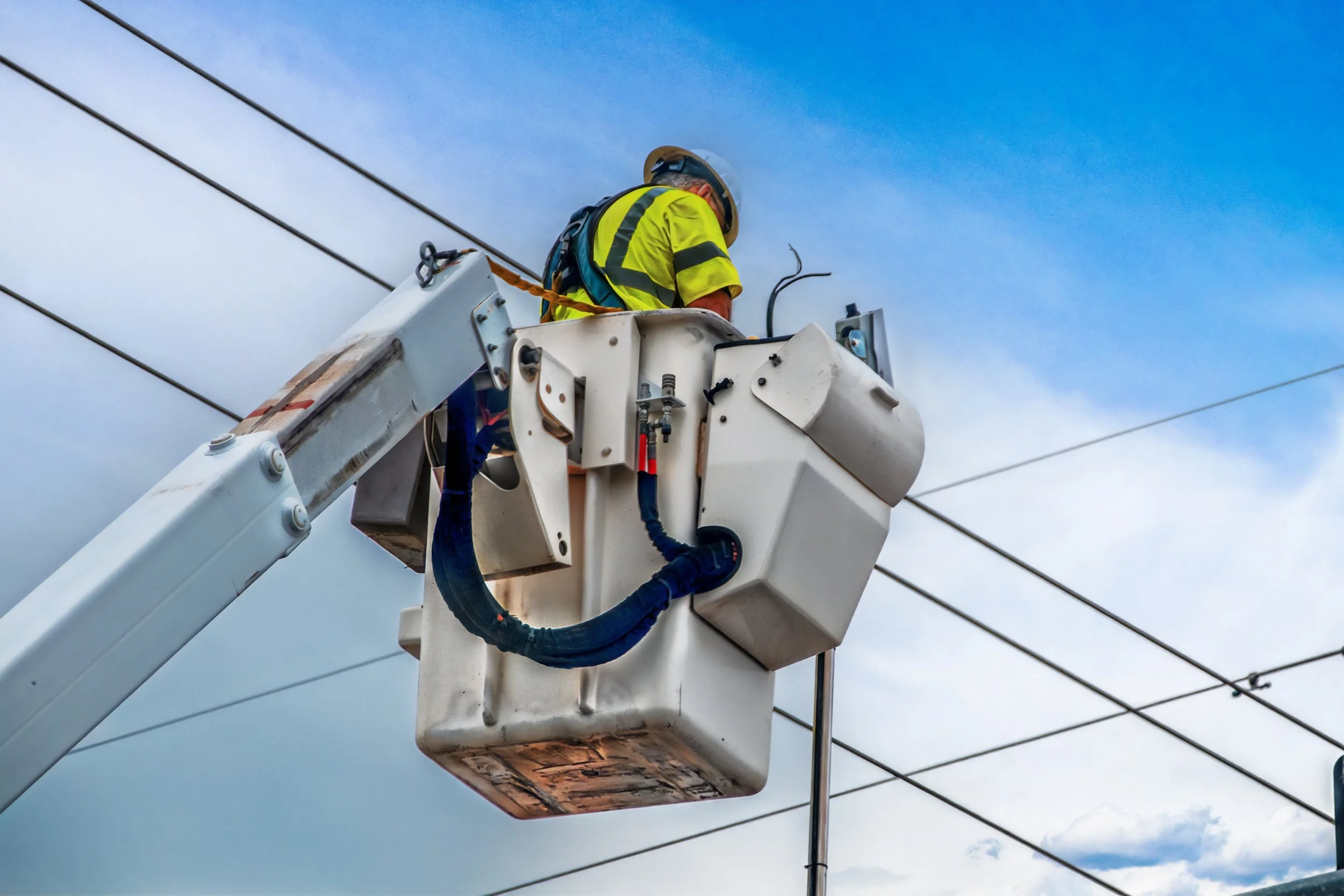
It's April in Pennsylvania. Ice has cleared from utility poles, temperatures are rising, and aerial fiber construction crews are in full deployment mode. For telecom providers, municipal broadband managers, and rural ISPs planning fiber deployments in the Northeast, we're in the prime construction window right now.
Weather profoundly affects aerial fiber construction timelines in the Northeast. Understanding these seasonal patterns helps you plan realistic project schedules, allocate resources efficiently, and meet grant compliance deadlines without costly delays. If you're launching a project this year, April through November represents your construction season.
Right Now: Spring Construction Season (April-June)
We're in the optimal deployment period. Temperatures have stabilized above freezing, ice has cleared from poles and cable routes, and crews are operating at full productivity across the region.
Pole access is safe again. Winter ice loading that stressed poles and created hazardous working conditions for bucket truck crews is gone. Cable handling has improved dramatically. Fiber cable that became stiff and brittle in winter cold has regained flexibility in moderate spring temperatures, making installation and splicing work smoother.
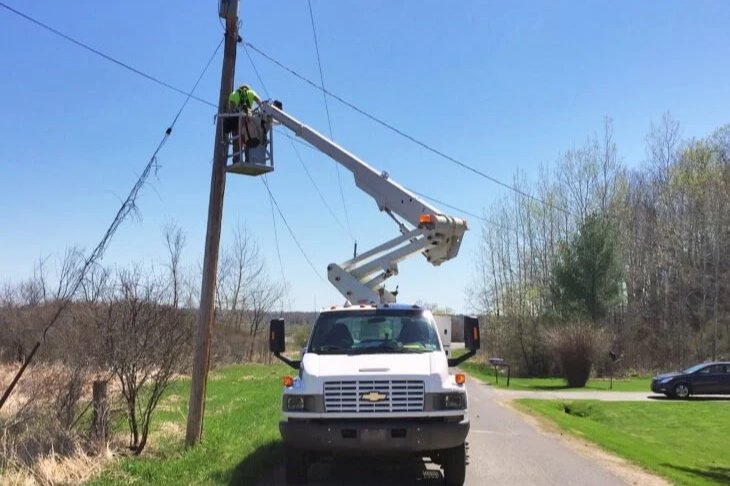
Experienced aerial crews are completing 1-2 miles of fiber installation per day under current conditions. Projects that spent winter on permitting and pole attachment coordination are now moving to active construction.
Why aerial projects have the advantage right now: While underground fiber contractors are still waiting for ground conditions to fully stabilize after mud season, aerial crews are already at full productivity. This gives aerial projects a 4-6 week head start. For BEAD-funded projects with four-year completion deadlines, maximizing this spring window is critical to staying on schedule.
Summer Ahead: Peak Construction Season (July-September)
Summer will offer the longest construction window and most predictable working conditions. Crews will operate extended hours, taking advantage of long daylight and stable weather patterns.
Extended daylight hours will allow 10-12 hour work days. Stable temperatures keep cable flexible and equipment operating reliably. Splice enclosures seal properly, connectors perform consistently, and OTDR testing proceeds without complications.
Afternoon thunderstorms will occasionally halt aerial work for safety reasons. Lightning poses serious risk to crews working on poles. However, these delays are typically measured in hours, not days. Crews work mornings, pause during storms, and resume when conditions clear.
Projects planning summer completion should account for occasional weather delays while benefiting from the extended working season and maximum daily productivity.
Fall: The Final Push (October-November)
Fall will be a race against the calendar. Experienced aerial contractors know that productive construction days are numbered once November arrives. Projects will push hard to complete work before winter weather reduces operations.
Temperatures remain workable through October, but shorter daylight hours reduce daily productivity. The plan had been to work until Thanksgiving, but cold weather arrived earlier than expected in October. Early cold snaps can force construction adjustments weeks ahead of schedule.
For projects on tight timelines, fall represents the last opportunity to complete work before a 4-5 month winter slowdown.
Winter: Reduced Productivity Season (December-March)
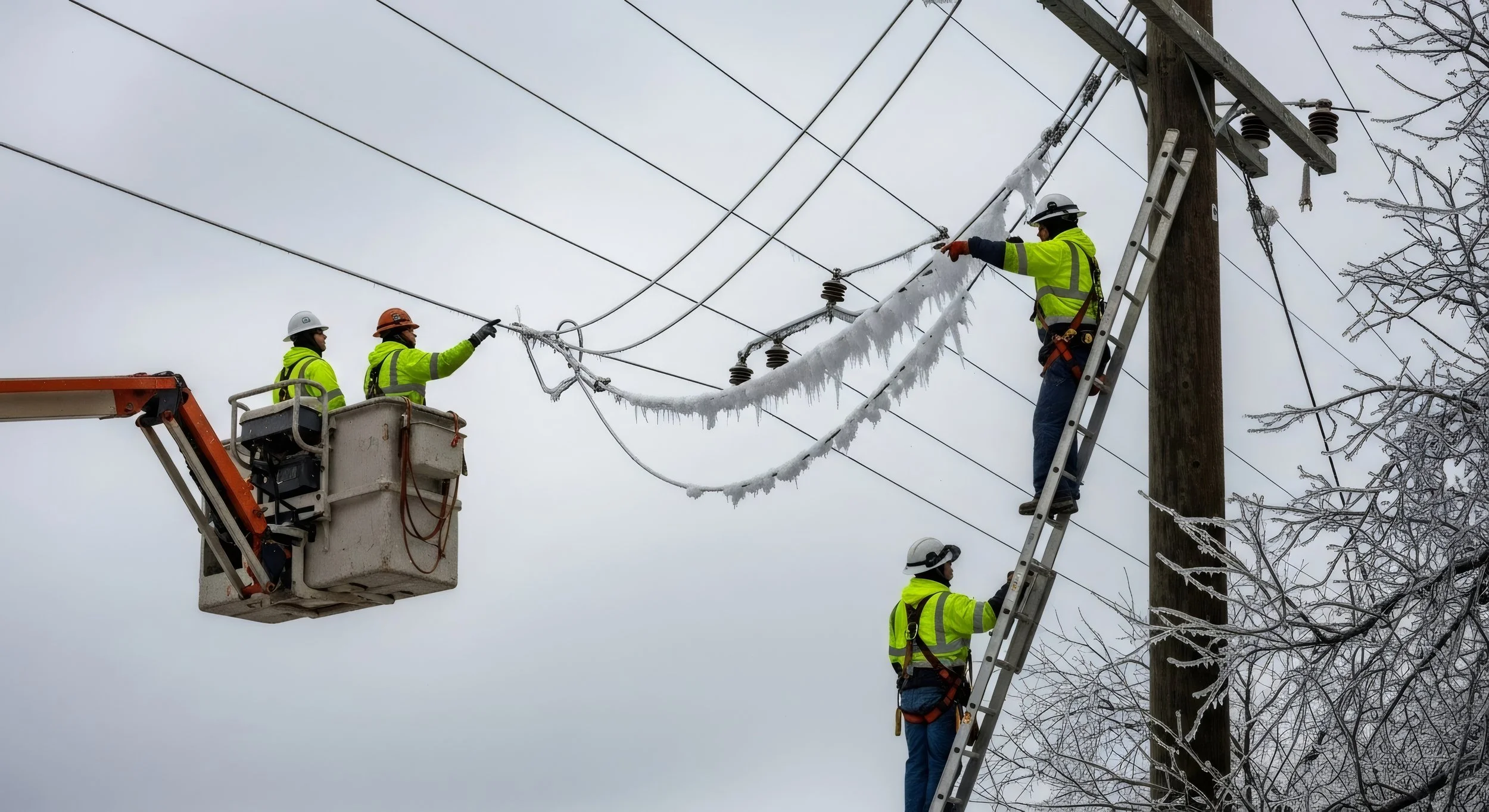
Winter significantly reduces aerial fiber construction productivity. While some work remains possible on milder days, ice loading, extreme cold, and reduced daylight create conditions where construction quality and crew safety cannot be consistently maintained.
Ice accumulation on existing cable and poles creates weight stress and safety hazards. Heavy snow can build up over a cable and add pressure, while ice can hang from an aerial cable and weigh it down. Bucket truck operations become hazardous when poles are ice-loaded.
Freezing temperatures can cause the cables to become stiffer and brittle, which makes cracking or breaking more likely. Splicing work becomes difficult when ambient temperatures drop below equipment operating ranges.
However, aerial construction maintains some winter flexibility that underground work cannot match. On calm, above-freezing days, aerial crews can still make progress while underground contractors remain completely shut down by frozen ground.
Planning Around Northeast Weather: The Next Seven Months
Understanding seasonal construction windows allows realistic project scheduling. For projects launching now in April 2026, here's your construction timeline:
April-June (Now): Full productivity. Maximize output during this period. Complete as much route mileage as possible while conditions are optimal and daylight is increasing.
July-September: Peak season. Longest days, most predictable weather. Schedule the majority of remaining construction during these months. This is your highest-productivity window.
October-November: Final push. Wrap up remaining work before winter. Prioritize completing major segments and splice points. Expect reduced daily hours as daylight shortens.
December-March 2027: Reduced activity. Plan for minimal construction. Use this time for any remaining permitting, material procurement, and crew preparation for spring 2027 resumption.
For a typical aerial fiber project in Pennsylvania, this seasonal pattern means an effective 7-8 month construction window annually. Projects that span multiple years must account for winter slowdowns in timeline planning.
Weather Impact on Grant Compliance Deadlines
BEAD and other federal grant programs require project completion within four years of award. For Northeast projects, this effectively means four construction seasons, not four calendar years.
A project awarded in spring 2026 has approximately 35 productive construction months within a 48-month compliance window. Projects planned without accounting for weather-based slowdowns risk falling behind schedule and missing grant requirements.
Aerial Fiber: The Weather-Resilient Choice
Aerial fiber deployment faces fewer weather constraints than underground alternatives. While underground projects halt completely during frozen ground periods and struggle through mud season, aerial construction maintains flexibility across more months of the year.
Aerial projects can begin earlier in spring, work through conditions that stop underground crews, and maintain some productivity even during winter cold snaps. For Northeast deployments on tight timelines, this extended construction window often makes the difference between meeting deadlines and facing delays.
Maximize This Construction Season
We're in the window right now. The next seven months represent your primary construction opportunity before winter returns. Projects that mobilize quickly and deploy experienced aerial crews will maximize this season's productivity.
For ISPs, municipalities, and broadband managers with projects planned for 2026, experienced contractors are already deploying crews and securing materials for the busy season ahead.
Regional Aerial Fiber Expertise for Northeast Projects
TermLink Solutions understands Northeast weather patterns and builds project timelines around realistic seasonal construction windows. Our Pennsylvania-based aerial fiber crews know how to maximize spring and summer productivity, push efficiently through fall, and plan around winter constraints without missing grant compliance deadlines.
We specialize in aerial fiber construction that maintains momentum across challenging seasonal transitions. Our in-house equipment, stocked warehouse, and experienced crews deploy quickly while conditions are optimal.
Contact us today to discuss your fiber project timeline and learn how regional aerial construction expertise helps you make the most of the current construction season.
