There is an $83 million fiber project coming to the counties around us, and most people who will eventually buy service on it have never heard the phrase that defines it.
The award went to eCommunity Fiber, working in partnership with Alleghenies Broadband, Inc., to build a large-scale open access network reaching roughly 15,000 locations. The route spans Armstrong, Bedford, Blair, Cambria, Fulton, Huntingdon, Indiana, and Somerset counties. That is not a small regional project. It is a piece of permanent infrastructure that will outlive most of the people who approve it.
Open access is a model, not a technology. The strand looks the same. The cable looks the same. What changes is who owns the network, who sells service on it, and what that arrangement demands from the people who build it. Both of those changes are worth understanding, whether you sit on a borough council or in a bucket.
What an open access network actually is
In the model most Americans grew up with, one company owns the wires and exclusively sells service over them. The physical plant and the retail product belong to the same business, which means a household with one set of wires running past it usually has one real option.
An open access network separates those two things. As BroadbandNow describes the model, the infrastructure operates as a neutral platform available to multiple retail internet service providers. The owner does not sell internet service to the public. It wholesales access, and independent ISPs compete to sell retail service over the shared network.
Some open access networks run on two layers, where the owner also operates the plant and ISPs simply sell over it. Others run on three, where the owner holds the asset, a separate operator runs the network day to day, and providers compete on top. In every version, the fiber is treated more like a road than like a product.
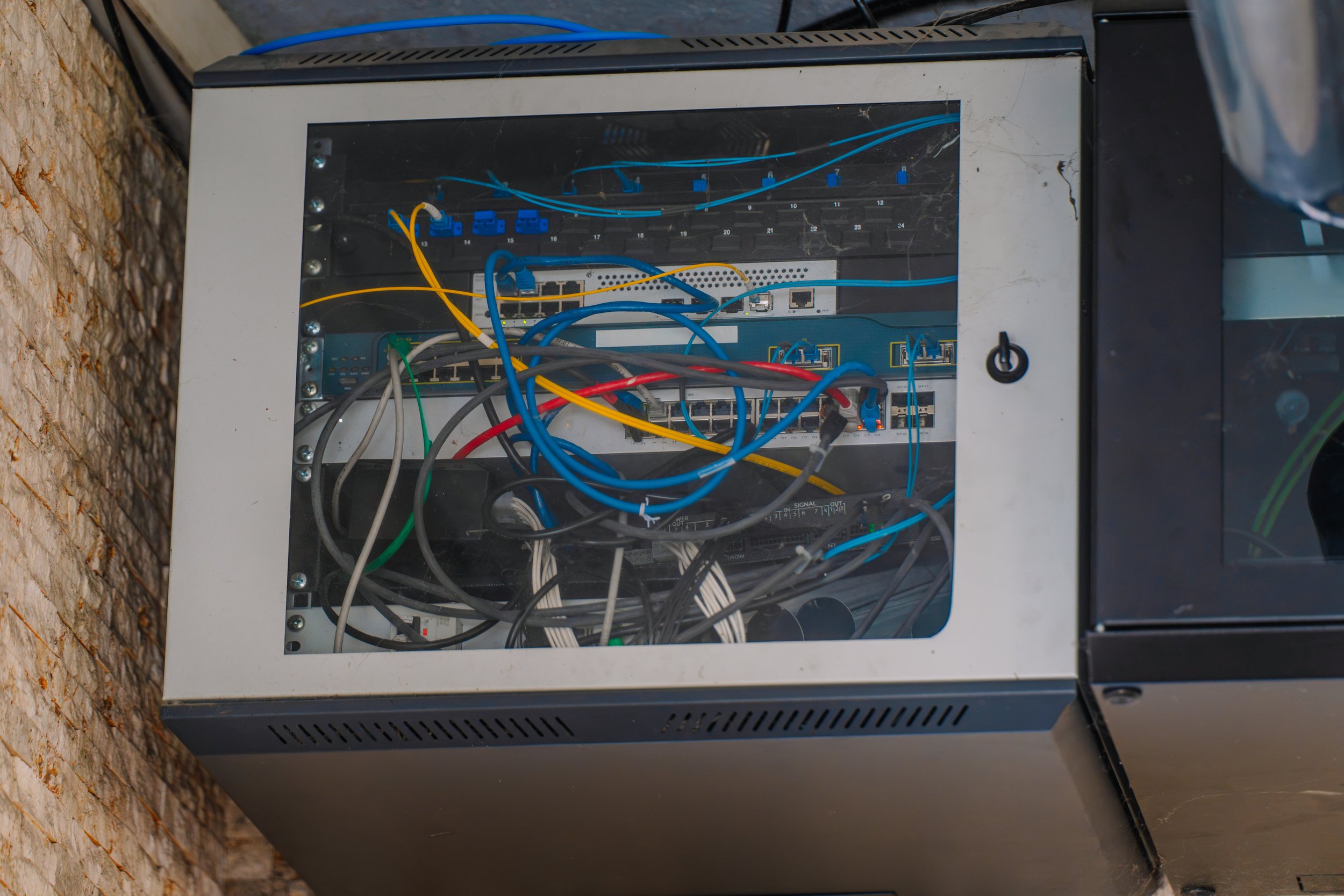
We have written before about how grant funding reaches the construction phase and what providers should expect from a build partner. Open access adds a layer to that conversation, because the entity paying for the build is often not the entity that will sell service on it.
What changes for the community
The obvious change is choice. A household on an open access network can pick among several providers without anyone digging up the yard or hanging new cable. If a provider raises prices or lets service quality slip, switching is a software change rather than a construction project. That competitive pressure is the entire point of the model.
The less obvious change is ownership. When a regional nonprofit or a municipal authority holds the fiber, the asset stays local. Revenue from wholesale access comes back to the owner instead of leaving the region. Thirty years from now, when the electronics have been replaced twice, the glass in the air still belongs to the community that paid for it.
There is also a practical benefit that rarely makes the press release. The same fiber backbone that serves homes can serve municipal buildings, water and sewer monitoring systems, traffic infrastructure, and public safety connectivity. A community that builds fiber for residents frequently discovers it has solved several unrelated problems at once.
What changes for the crew
This is where the model stops being a policy discussion and starts being a construction requirement.
On a traditional build, the company that owns the plant is the company that sells service on it. If something is built slightly out of spec, that company absorbs the consequence, fixes it on its own schedule, and moves on. The pain stays in one place.
On an open access network, the plant serves multiple providers who had no say in how it was built. A poorly documented splice point or a terminal that does not match the record does not inconvenience one company. It creates a support problem for every ISP riding that route, and none of them can fix it themselves. The build quality is not a private matter anymore.
That raises the bar in three specific ways.
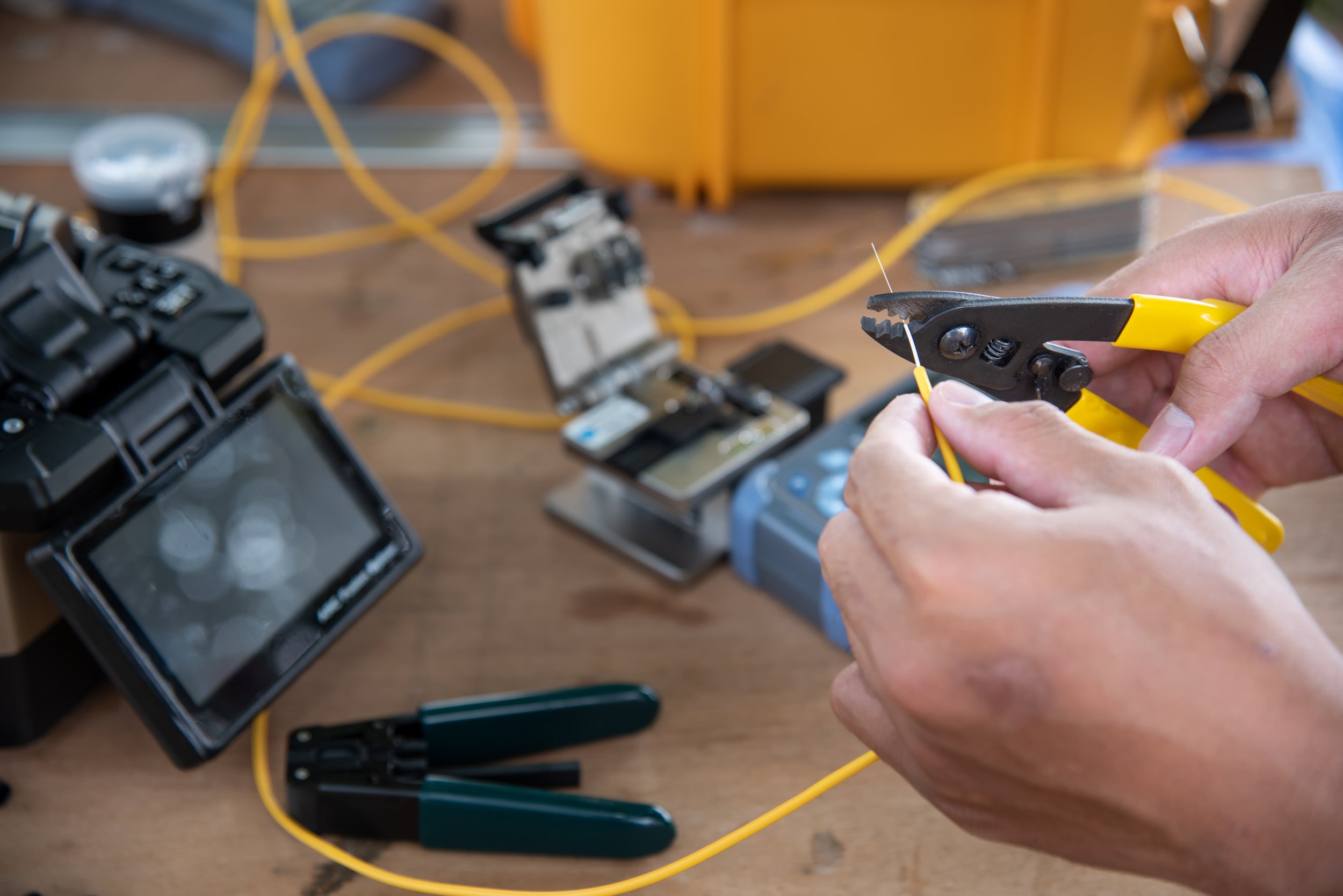
Documentation stops being paperwork and becomes the product. The as-built has to reflect reality, because the operator provisioning a customer six years from now will trust the record rather than a memory. Port assignments, splitter locations, and terminal counts have to be right the first time.
Capacity planning has to assume growth the owner cannot predict. Multiple providers competing on one network tends to drive take rates higher than a single provider would achieve alone. The architecture has to leave room for that, which affects fiber counts, splitter placement, and how much slack gets stored where.
Long-term maintainability outweighs short-term speed. A network with a thirty-year horizon and a rotating cast of service providers needs plant that can be worked on cleanly by crews who did not build it. That means reentry-friendly closures, sensible slack storage, and a route that a stranger can follow. It is also why a preventive inspection program matters more on shared infrastructure than on a single-provider network, since deferred maintenance affects every provider on the line.
The honest part
Open access is not automatic success, and anyone selling it that way is skipping the hard chapters. A CoBank analysis of the model notes that building and running a fiber network demands deep operational experience and real capital, and that inexperienced operators have struggled. UTOPIA Fiber, now the largest municipally owned open access network in the country, failed a bond commitment in its early years before growing into the reference case it is today.
The model works when the owner understands that it has entered the infrastructure business permanently. It struggles when a community treats construction as the finish line.
What this means locally
The Alleghenies Broadband award announcement is worth reading if you live in one of the eight counties on that route, because it is the clearest picture available of what is coming and where.
For municipalities in the footprint, the practical question is not whether open access is a good idea. That decision is made and funded. The question is what your borough or township needs to have ready when design crews reach your right of way, and what you want to know about the plant that will sit above your streets for the next three decades.
For providers and operators, the question is who builds it. Shared infrastructure rewards contractors who document carefully and build for the crew that comes after them. It punishes contractors who build for the invoice.
The fiber does not care which model it serves. The people who depend on it very much do.
Building or planning an open access network? TermLink Solutions provides turn-key aerial fiber construction, splicing, and testing for ISPs, municipalities, and regional broadband authorities nationwide, with crews based in Central Pennsylvania. If you want a partner who treats the as-built as seriously as the strand, get in touch with our team.
