

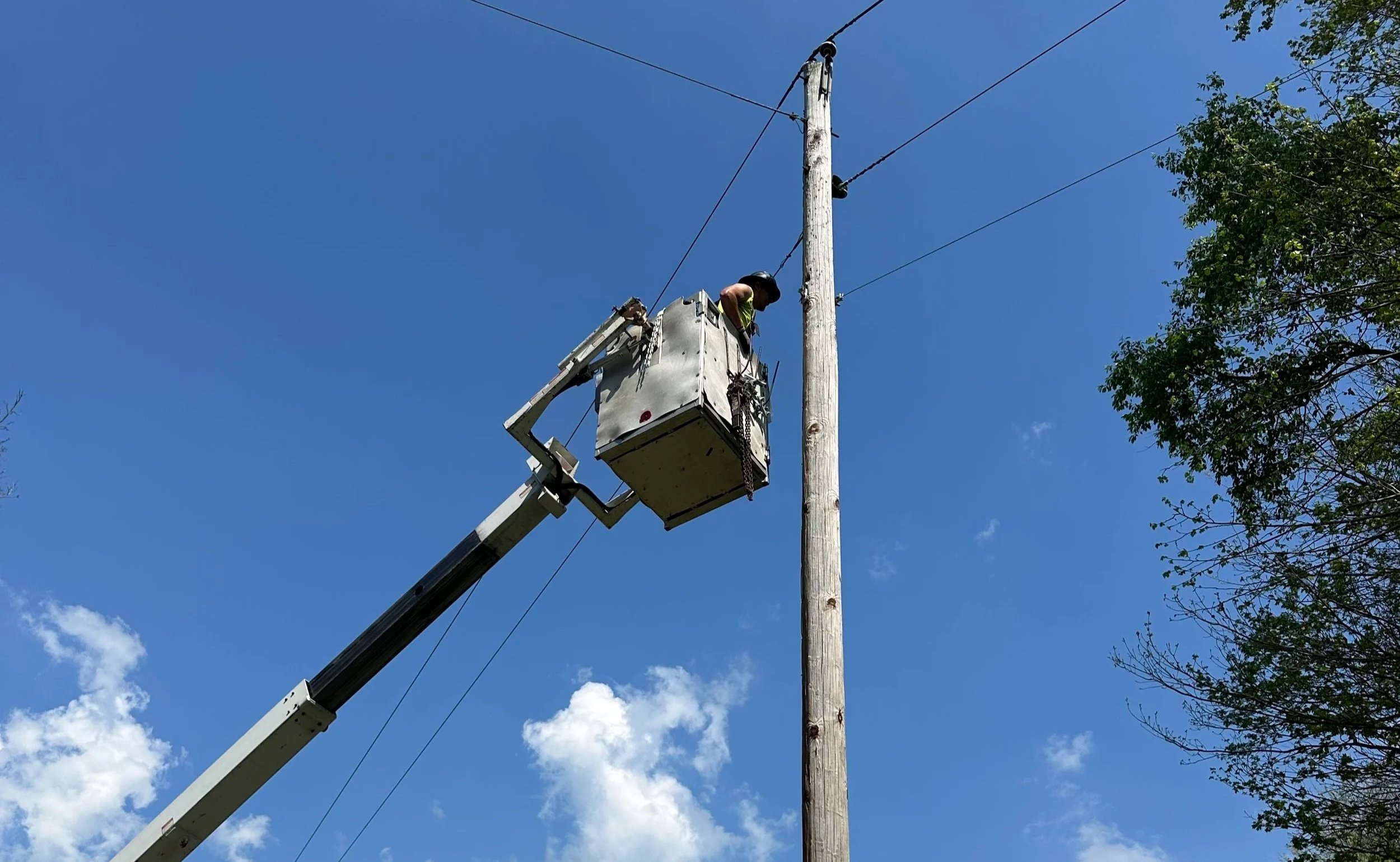
Aerial fiber lives overhead, but the build starts in the ground. Setting a pole, drilling for a guy anchor, and pouring a small equipment pad all break the surface, and any one of those holes can find a buried utility that nobody marked. The bucket truck never touches the dirt, yet the crew that puts the supporting structure in place does, and that is exactly where a forgotten locate turns an ordinary summer build into a service outage or an injury that lands on the contractor who skipped the call.
Summer is peak construction season across Pennsylvania and the Northeast, which means more crews breaking ground at once and more chances for a strike. The numbers make the point. The Common Ground Alliance counted close to 200,000 incidents of damage to buried utilities in a single recent year, and the most common root cause was the simplest one to avoid, which was no notification to the 811 center before digging. This guide covers how 811 and utility locating actually work, what Pennsylvania law requires, and how an aerial crew keeps a build clean from the first hole to the last. It builds on the groundwork covered in our guide to utility pole attachment agreements.
Aerial Builds Still Break Ground
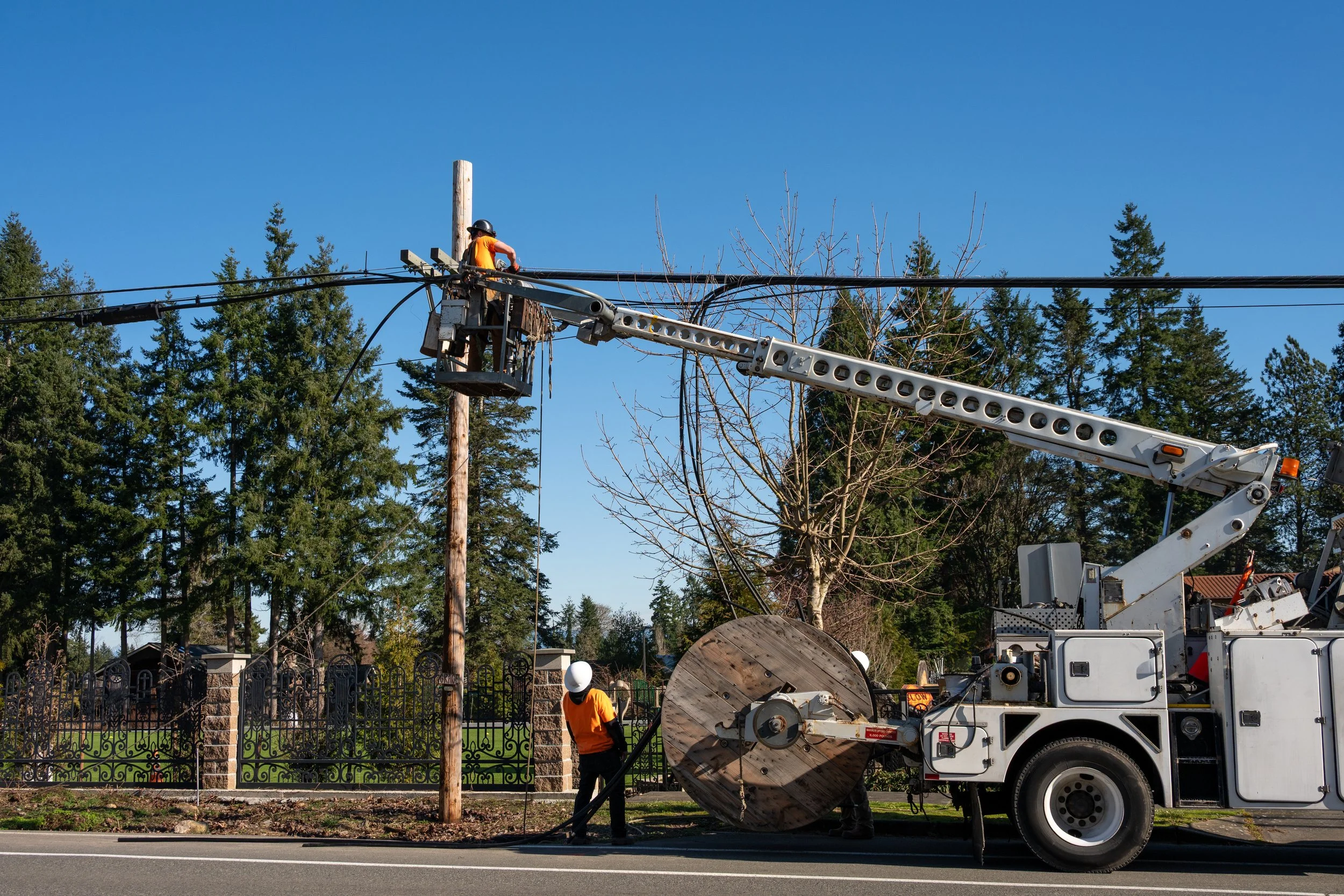
The idea that locating is an underground-only concern is one of the more expensive misconceptions in aerial work. A pole-set crew augers holes several feet deep. An anchor crew drives or screws guy anchors into the ground at corners and dead-ends. Transition points where fiber meets a handhole or a pedestal call for excavation as well. Every one of those operations happens in the same right-of-way where gas, power, and communication lines were buried years before the fiber project showed up.
A buried line does not care that your network is going overhead. The auger that nicks a gas service or the anchor rod that finds an electric duct creates the same hazard for an aerial crew that it would for a trenching crew. Treating 811 as someone else's responsibility is how a clean aerial build picks up a six-figure problem on day one.
What 811 Actually Does, and What It Does Not
A lot of crews misunderstand the 811 system, so it is worth being precise. 811 is a notification hub rather than a locating service. When you call 811 or file a ticket online, the one-call center relays your dig information to every facility owner with infrastructure in your work area. Those facility owners, or the contract locators they hire, are the ones who come out and mark their own lines. The one-call center never marks anything itself.
In Pennsylvania, that hub is the Pennsylvania One Call System, also known as PA 811, and participation is mandated by the state's Underground Utility Line Protection Law. The obligation falls on the excavator, which means the responsibility to file the ticket sits with whoever is putting steel in the ground, not with the property owner or the network operator.
The Pennsylvania Timeline: Three to Ten Business Days
Pennsylvania sets a specific window for notice. According to the Pennsylvania One Call System's excavator requirements, an excavator must notify the system not less than three and not more than ten business days before work begins. A business day excludes weekends and legal holidays, and summer is full of those. Memorial Day, Juneteenth, and Independence Day each push your lawful start date further out, so a ticket filed without that math in mind can leave a crew standing around waiting for marks that are not legally due yet.
Once the marks are down, they stay valid as long as your equipment is on site and the marks remain visible. The lawful start date printed on the ticket is the earliest you can break ground, and beginning before that date is where a lot of avoidable trouble starts.
The Tolerance Zone and Prudent Digging
Locate marks are approximate, not surgical. The marked line sits somewhere inside a buffer around the paint known as the tolerance zone, and Pennsylvania law requires excavators to use prudent techniques within that zone rather than trusting the auger to thread the needle. That generally means hand digging or vacuum excavation close to a marked line until the crew can see exactly where it runs. Potholing to expose a line before powering through with machinery is slower by a few minutes and cheaper than the alternative by a wide margin.
White-lining the planned dig area before the locators arrive is another practice worth the small effort. When a crew outlines the exact footprint it intends to disturb, the locators know precisely where to focus, and the marks come back tighter and more useful.
The Cost of Skipping the Call
The damage data is blunt about who causes strikes. Common Ground Alliance reporting has shown for years that professional contractors account for more than half of all damages to buried infrastructure, and failing to notify 811 remains the leading reason those strikes happen. Telecommunications lines themselves make up a large share of what gets hit, which means the fiber industry is damaging its own plant as often as anyone else's.
Pennsylvania adds a legal sting on top of the repair bill. When a crew digs before its lawful start date or skips the locate entirely, it forfeits the protections the One Call law would otherwise extend, and liability for the strike shifts squarely onto the excavator. A free phone call protects the crew, the public, and the contractor's balance sheet all at once.
Safe Digging Starts Before the Auger Turns
An aerial build is only as clean as the groundwork underneath it. Filing the locate, waiting out the lawful start date, and hand digging the tolerance zone are not paperwork hassles to rush past. They are what keeps a summer schedule on track and a crew out of the hospital and the courtroom.
TermLink Solutions treats damage prevention as part of the build, not an afterthought, with crews who file every locate, honor every lawful start date, and dig carefully around what is already in the ground. If you are scheduling an aerial fiber project this season and want it run by a contractor who does the groundwork right, reach out to our team and let's keep your build safe from the first hole forward.
