TermLink Fiber Files
Your Source for Real-World Fiber Expertise
Here you’ll find practical knowledge straight from the jobsite — splicing techniques, OTDR testing, design considerations, restoration workflow, and the details that make or break a network. If you build, maintain, or manage fiber, this is where you stay sharp.
OUR BLOGS
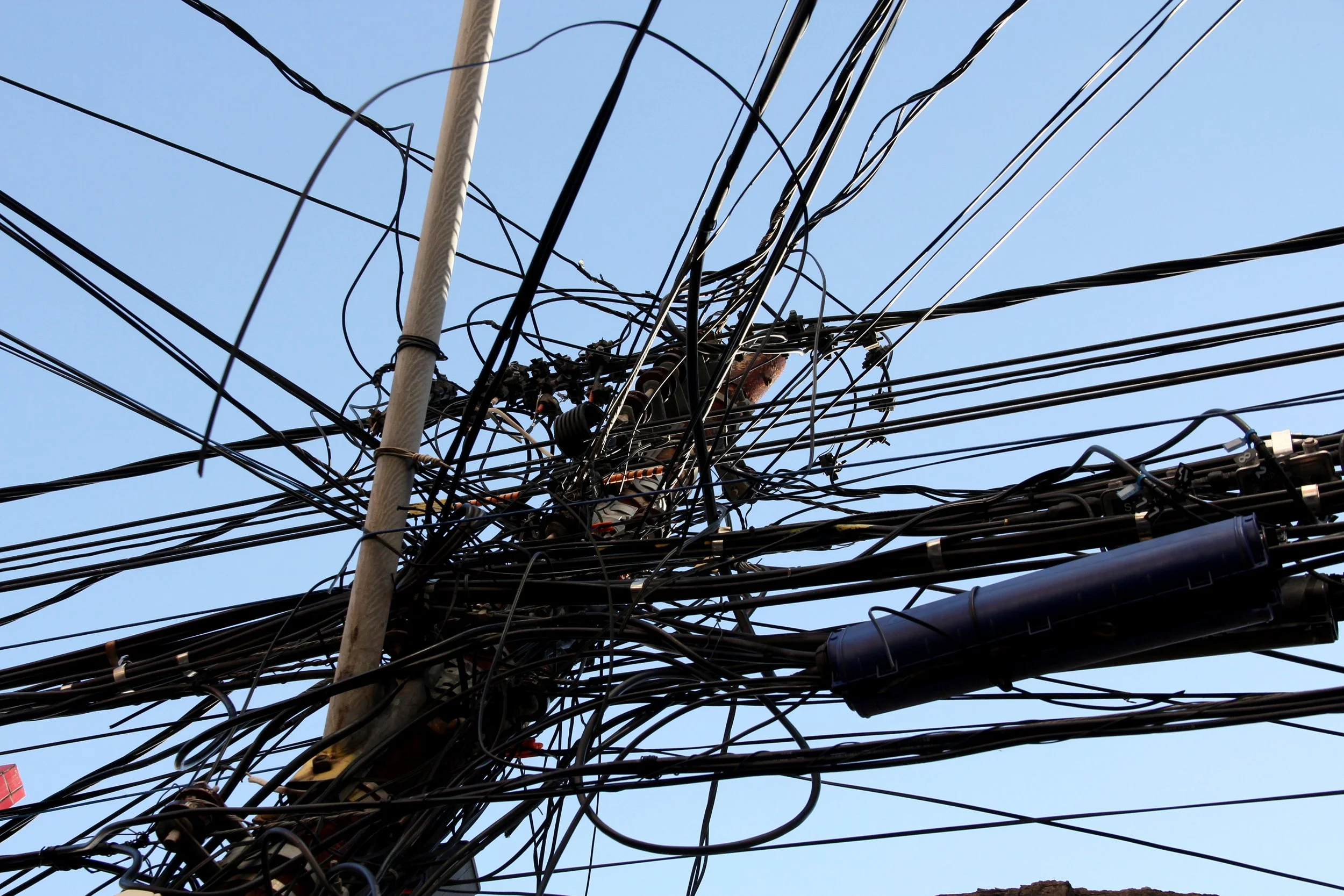
Copper Retirement Got a Green Light. The Replacement Work Is Aerial
The largest source of new pole-line work in the country right now is not a grant program. The FCC removed most of the friction keeping legacy copper on utility poles, and the plant replacing it is fiber on the same routes. That work lands on aerial crews.
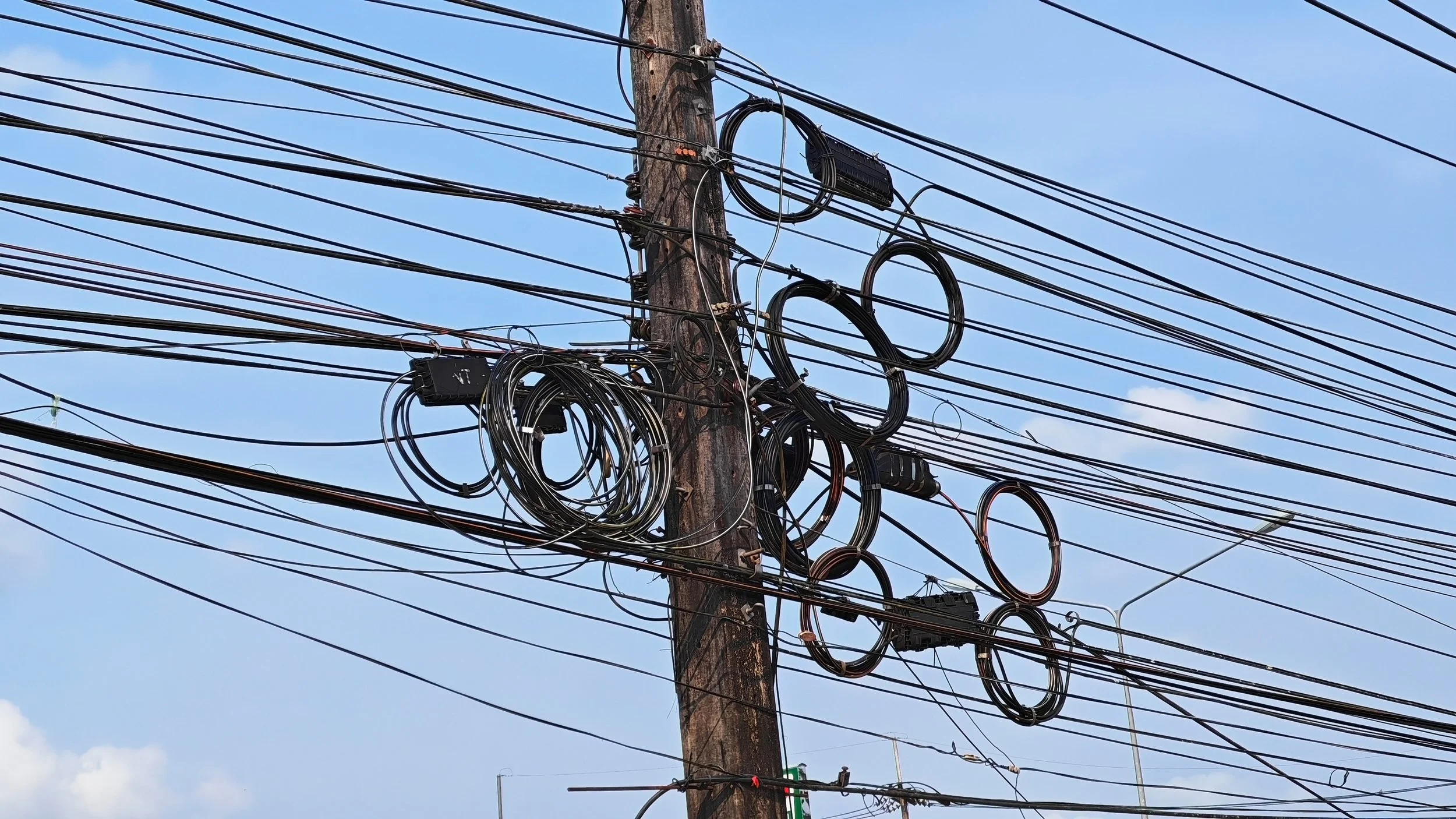
Pole Attachments in 2026: The Federal Rules Did Not Move, So the Local Ones Decide Your Schedule
If you are waiting on a broadband build to start, there is a good chance the holdup is a pole owned by someone else. The federal framework did not move in 2026, which means the specific owner of the specific poles on your route is what actually governs your schedule.
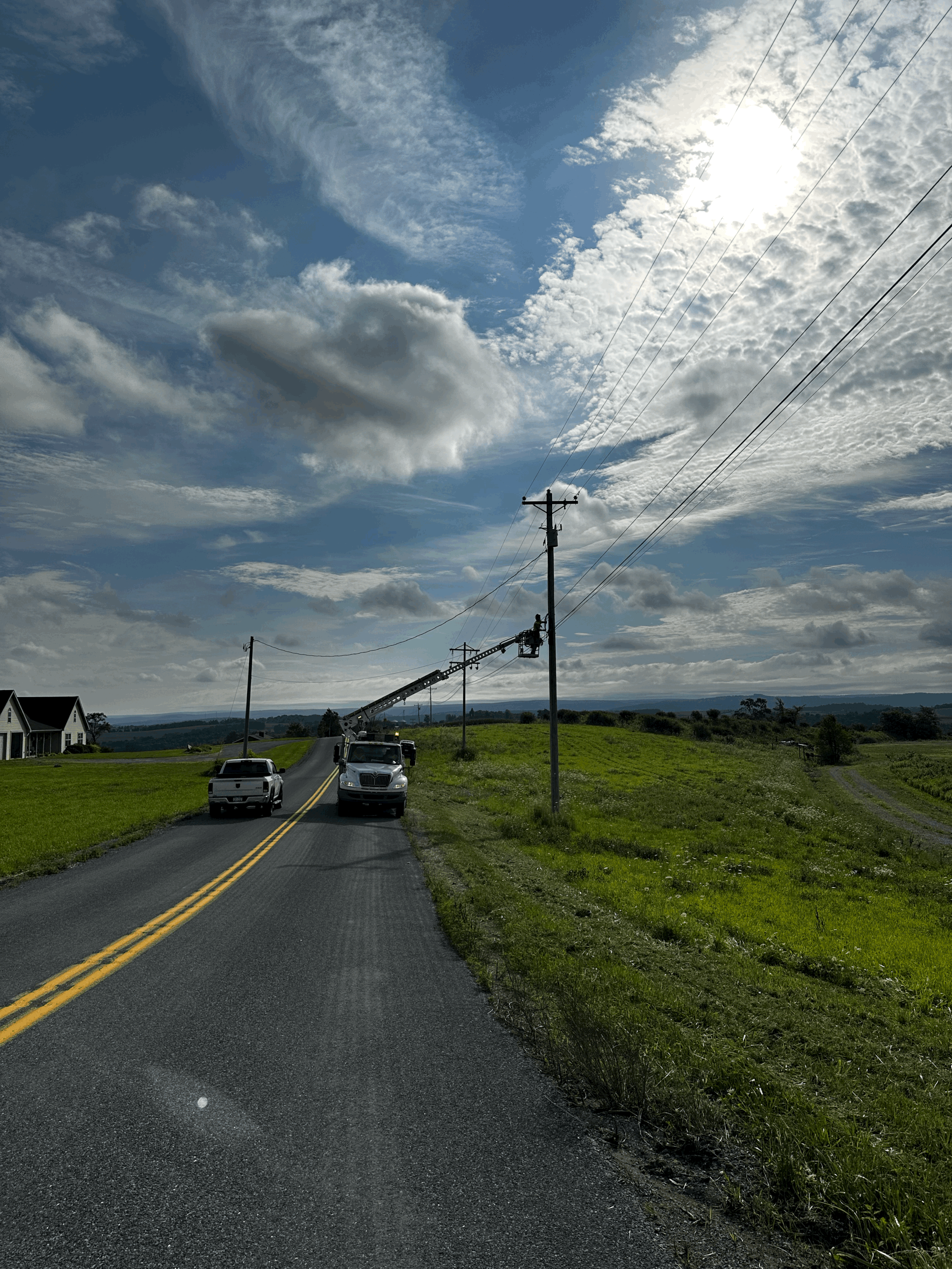
The BEAD Approvals Are Finished. Here Is What Has to Happen Before Anyone Strings Fiber.
Every state and territory now holds an approved BEAD spending plan, and a lot of people outside the industry assume the hard part is finished. An approved plan does not put a strand in the air. Here is the sequence that runs before a bucket truck leaves the yard, and where the real delays live.
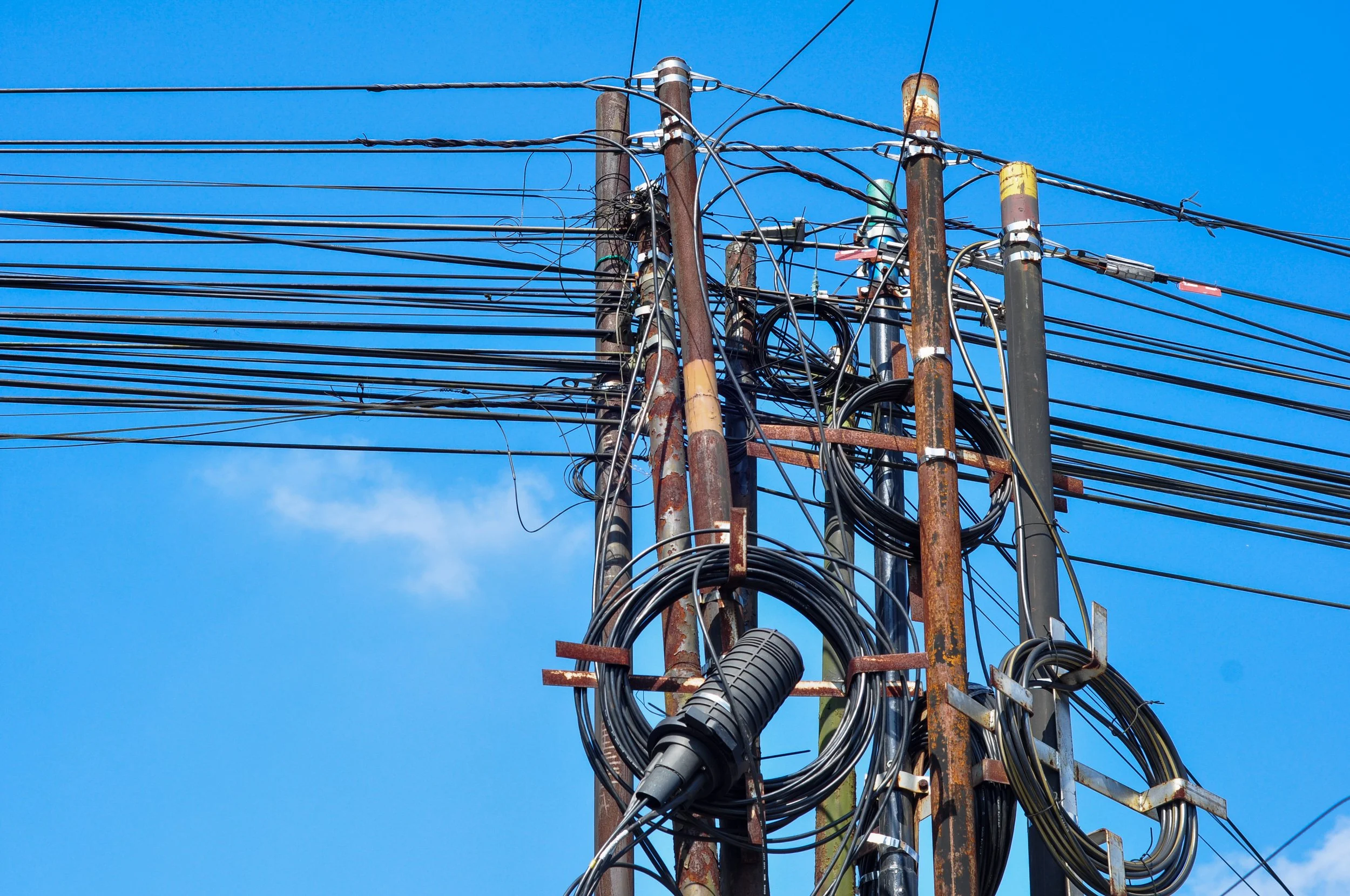
Make-Ready Engineering: What Happens Between the Attachment Application and the First Bucket Truck
Make-ready is the work that happens before the first bucket truck rolls. Here is how poles get evaluated, what triggers rearrangement or replacement, and why make-ready timelines make or break a build schedule.
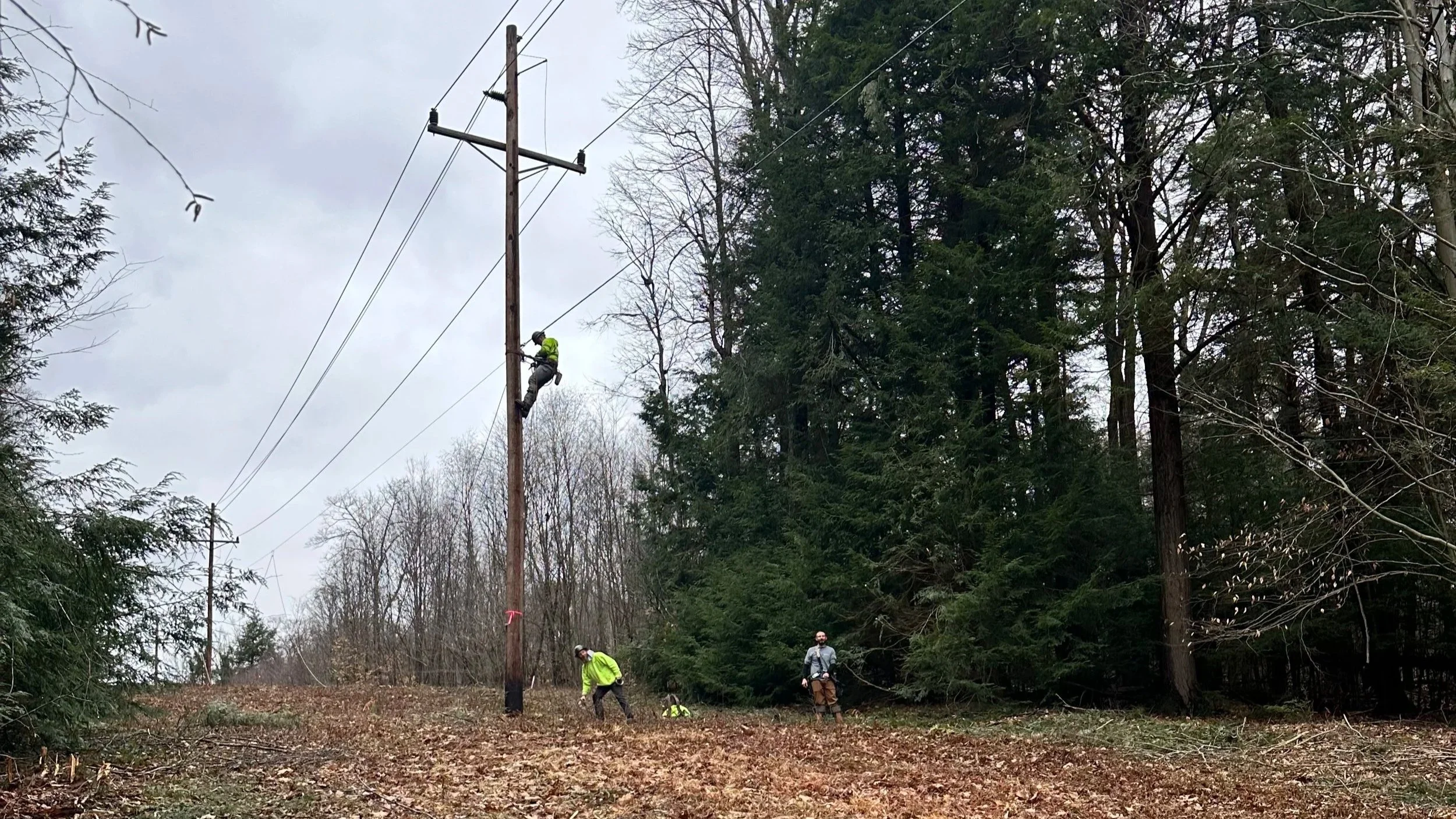
NESC Clearance Requirements for Aerial Fiber: A Field Guide for 2026
Aerial fiber construction lives and dies by clearance. Here's what the 2023 NESC requires in 2026, from pole zones to mid-span sag to make-ready timelines.
TECH DOCS