

Pennsylvania's first BEAD awards are official. On October 2, the state announced more than $448 million in BEAD grants for projects in 50 counties, and the rest of the program funds are scheduled to go out before the end of the year.
For the providers on that list, the announcement is where the hard part starts. Every project requires the awardee to cover at least 25 percent of total project cost. The grant amount is set when the agreement is signed, so any cost that runs past the estimate comes out of the awardee's share.
That makes construction the place where a BEAD budget is either protected or lost. Pennsylvania is the news hook here, but the math applies to any BEAD subgrantee carrying a match. Here is where aerial build costs tend to drift and what keeps them inside the award.
The Grant Is Fixed. The Build Cost Is Not.
Most BEAD budgets were set during the application, often from desktop design and assumed pole conditions. The real numbers show up later, when someone walks the route and the utility runs its loading analysis. Pennsylvania's BEAD program timeline puts design and permitting work this fall and moves network construction into 2027, which means many awardees are about to learn how close their estimates were.
Because the federal share does not grow, an overrun does not split evenly between the grant and the provider. It lands entirely on the provider. Picture a project budgeted with a 25 percent match. If construction runs 10 percent over, the provider now owes 35 percent of the original budget instead of 25. That is a 40 percent jump in what the provider has to fund, caused by a 10 percent miss in the field.
The good news is that most overruns on aerial builds come from a short list of causes, and nearly all of them can be managed before a crew ever arrives.
Where Aerial Build Costs Drift
Make-ready surprises
Make-ready is usually the biggest unknown on an aerial route. A desktop design might assume a pole line has room for a new attachment, then the field survey finds poles that need replacement or existing attachments that have to be moved first. If you want a closer look at that phase, our post on what make-ready engineering involves walks through it step by step.
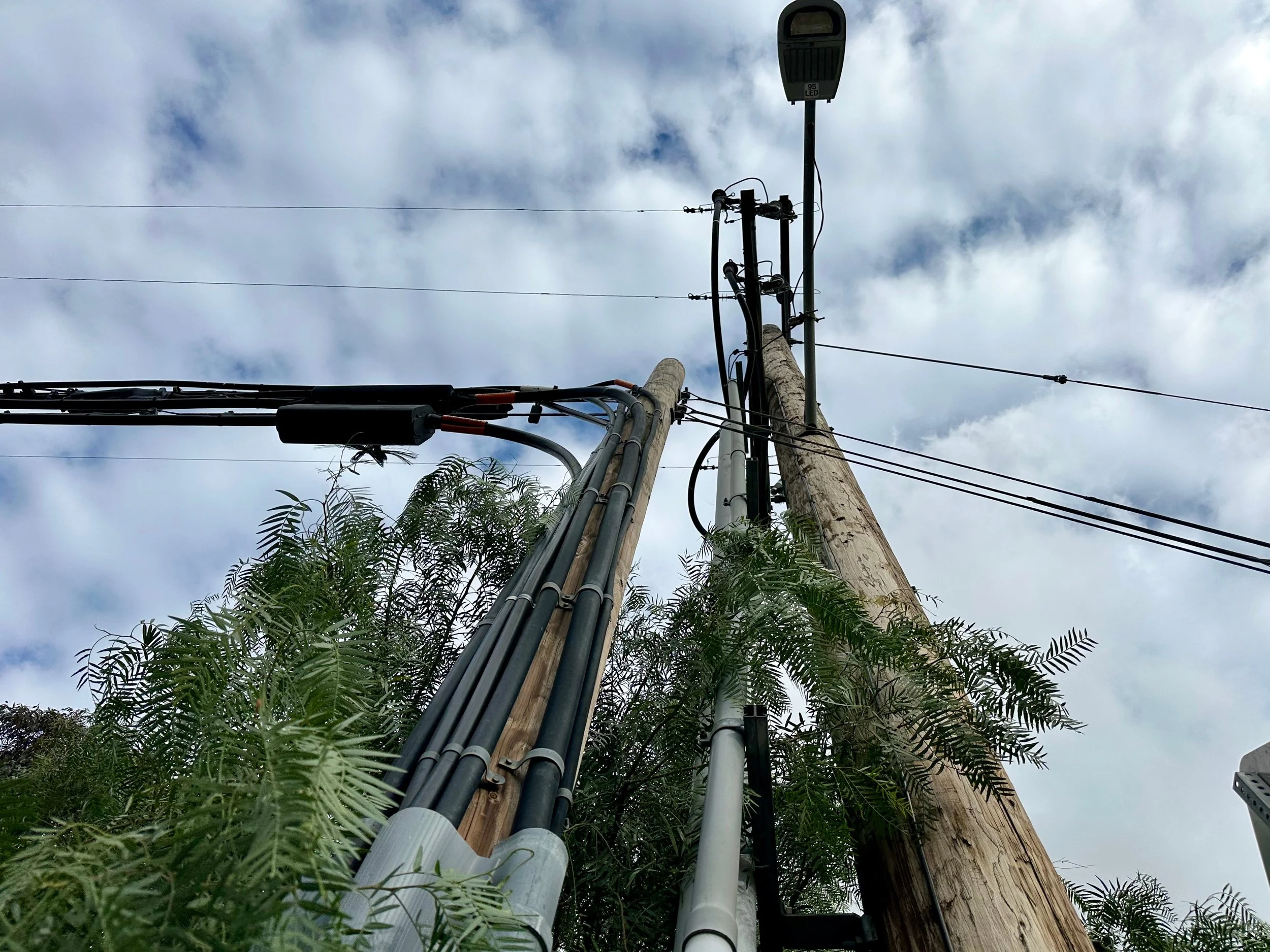
Who pays for a pole replacement matters a great deal to your match. Earlier this year, the FCC ruled in a dispute between Comcast and Appalachian Power that a utility cannot make a new attacher pay the full cost of replacing a pole with preexisting safety violations. Under the FCC's order, the new attacher is responsible only for the incremental cost of a taller or stronger pole needed for its own attachment.
The practical lesson is to find out why a pole needs replacing before you accept the make-ready estimate. A violation someone else caused is not your cost to carry. Pole attachment rules do vary by state and by pole owner, so it is worth reading your agreement closely. Our guide to utility pole attachment agreements covers what to look for.
Crews that have to leave and come back
Every time a crew pulls off a route and returns later, the project pays for travel and setup twice. Remobilization usually happens when crews show up ahead of the work that has to come first, like a stretch of poles still waiting on make-ready or a permit that stalled.
On a single route, one extra trip may not seem like much. Across a BEAD project with dozens of miles of strand, those trips add up quickly.
Change orders from an incomplete design
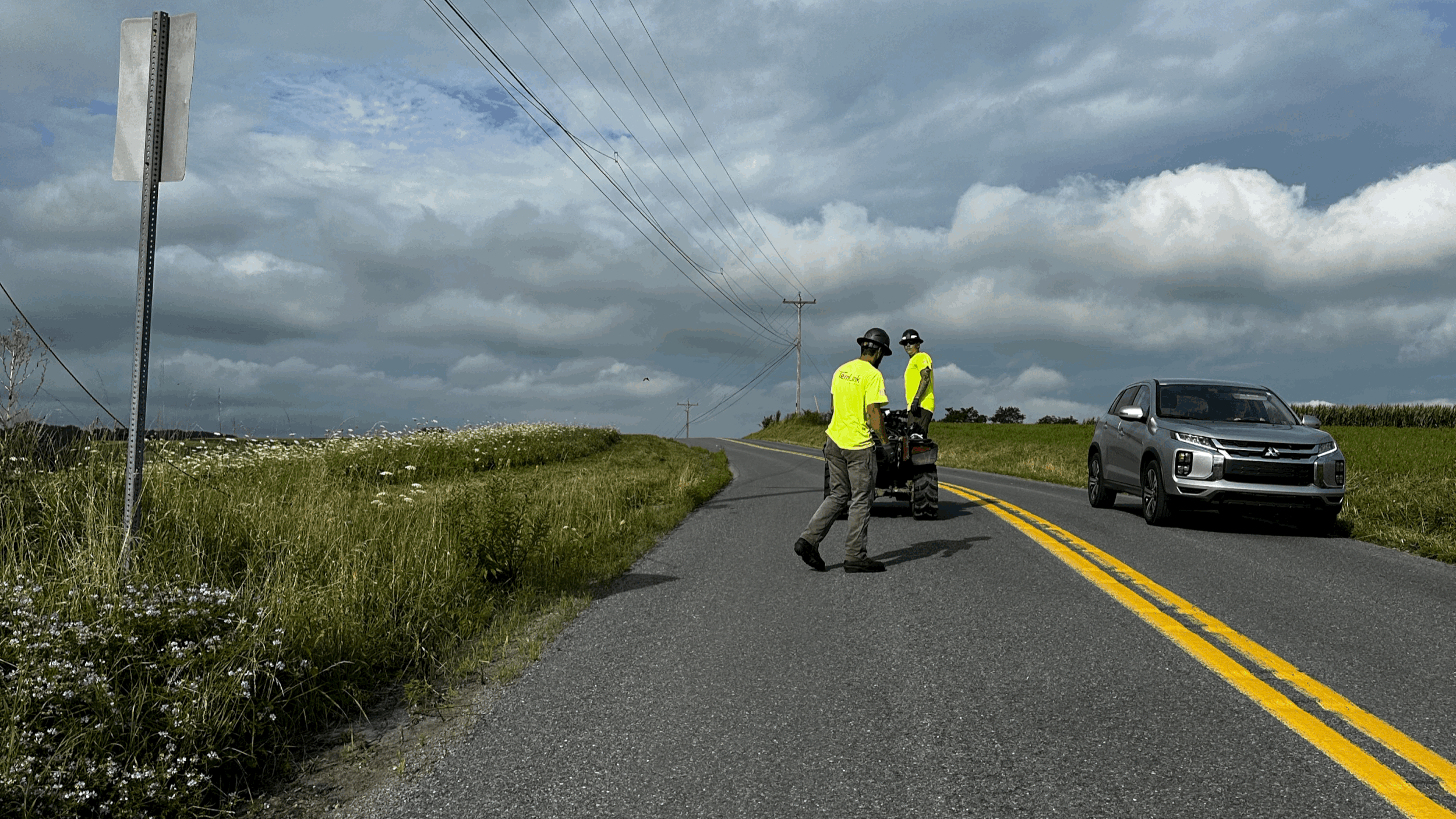
A design that misses road crossings or underestimates splice locations becomes a list of change orders in the field. Each one is small on its own. Together, they can move a project well past its estimate, and every dollar of that movement comes out of the match.
Rework after testing
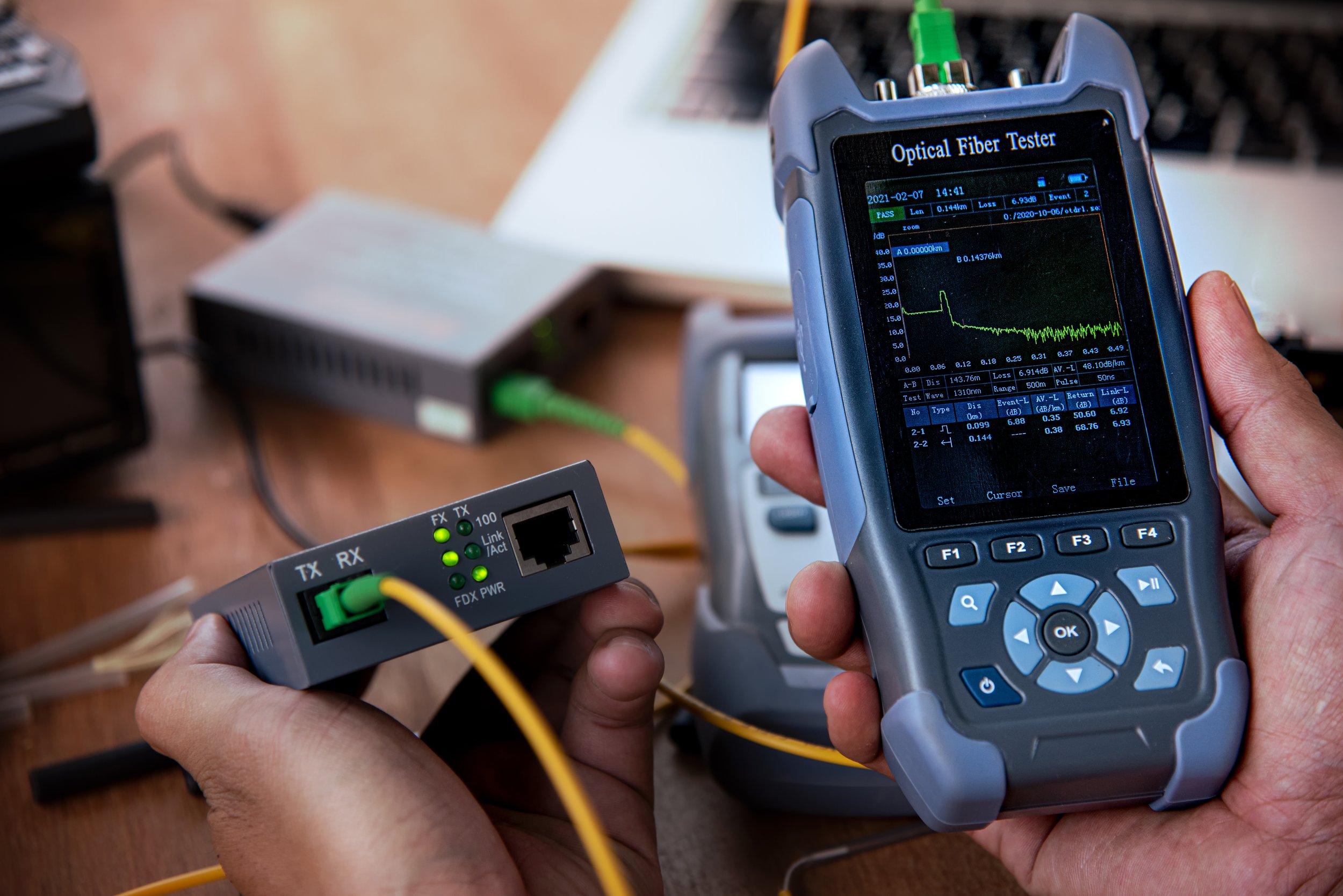
Splices that fail acceptance testing mean a crew goes back up the pole after the job was supposed to be finished. Rework is one of the most avoidable costs on a fiber build, and it is also one of the most frustrating, because the money was already spent once.
What Keeps a Build Inside the Award
None of this requires anything exotic. It comes down to doing the right work in the right order.
Field-verify before you lock the budget. A route walkout with real pole data is the best protection a match has. The earlier you know what the pole line actually looks like, the more room you have to adjust.
Sequence crews behind make-ready. Construction should move into a section of route once its poles are ready, not before. A good contractor plans mobilizations around make-ready completion so crews stay productive instead of waiting.
Ask for clear unit pricing. Pricing tied to defined units of work, like footage of strand and lash or splices completed, makes it easier to see where a budget is moving and why.
Test as you build. Testing splices and spans as sections are completed catches problems while the crew is still nearby, rather than at final acceptance when a fix means another trip.
Keep records from day one. Grant reviewers will ask how the network was built and whether it matches what was funded. Clean documentation answers that question quickly and protects the award long after construction ends.
The Bottom Line
A BEAD award covers most of the cost of a build, but the provider owns every dollar that runs over. On aerial routes, the difference between a project that holds its number and one that eats into the match is usually decided by preparation and sequencing, long before the last span is lashed.
TermLink Solutions builds turn-key aerial fiber nationwide, from design and mapping through splicing and testing, with crews who plan around make-ready instead of waiting on it. If your project was in the first wave of awards, or you expect to be in the next one, contact our team to talk through a build plan that keeps your budget where it belongs.
