

Why Q4 Is the Time to Book Next Year's Aerial Fiber Build
In much of the country, the busiest stretch of aerial fiber construction runs from spring through fall. That makes it easy to think of next year's build as a spring problem. In practice, the projects that start on time in April were usually planned, permitted, and scheduled the previous fall.
For 2027, that timing matters more than usual. Grant-funded construction, data center demand, and a tight labor market are all converging on the same construction season. Here is why the fourth quarter is the right time to book next year's aerial build, and what internet providers, municipalities, and cooperatives can get done before the new year.
2027 Is Shaping Up to Be a Crowded Year
Much of the BEAD construction that was expected in 2026 has shifted into 2027. At an industry panel in May, one executive estimated that about 90 percent of BEAD projects won't be shovel-ready until 2027. The same discussion pointed to data center buildouts competing with broadband providers for materials, labor, and rights-of-way, with some material orders already being placed for late 2027.
Labor is the hardest constraint to fix. Trained fiber crews cannot be added overnight, and the Pew Charitable Trusts has noted that broadband now competes with data center construction for skilled workers as states work toward a 2030 deadline for BEAD infrastructure. When every funded project in a region tries to start in the same spring, the providers who booked crews early are the ones who start on schedule.
The Pre-Construction Clock Is Longer Than It Looks
A lot has to happen before a crew hangs the first strand. Pole attachment approval is usually the longest step, and it runs on its own clock.
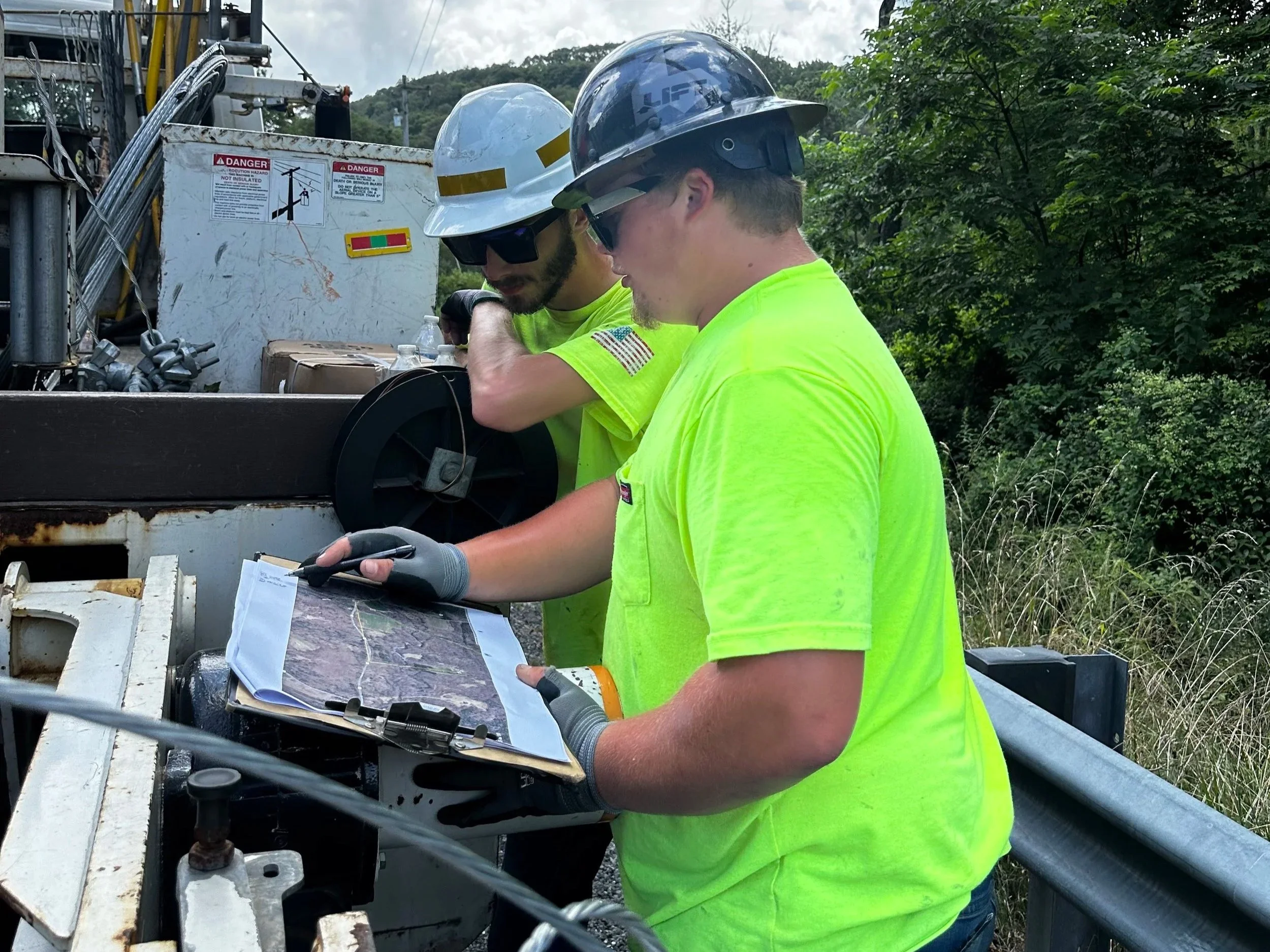
Under the FCC's pole attachment rules, a utility has 10 business days to confirm an application is complete, 45 days to survey the poles, and 14 days to deliver a make-ready estimate. After the estimate is accepted, make-ready in the communications space can take up to 30 days, and work above the communications space can take up to 90 days. Larger orders get more time, with surveys stretching to 90 days and make-ready up to 180 days for the biggest requests.
Those are federal limits, and states that regulate their own poles set their own timelines, which local rules can make longer or shorter. Either way, the math is simple. An application submitted in March can easily leave a route waiting on poles until midsummer. An application submitted in November has a real chance of being ready when the weather turns.
Make-Ready and Materials Take Time Too
Make-ready is where many schedules slip. Existing attachers have to move their equipment, poles sometimes need to be replaced, and each of those steps depends on other companies' crews. Understanding what make-ready engineering involves helps owners plan realistic timelines and avoid surprises once construction is supposed to begin.
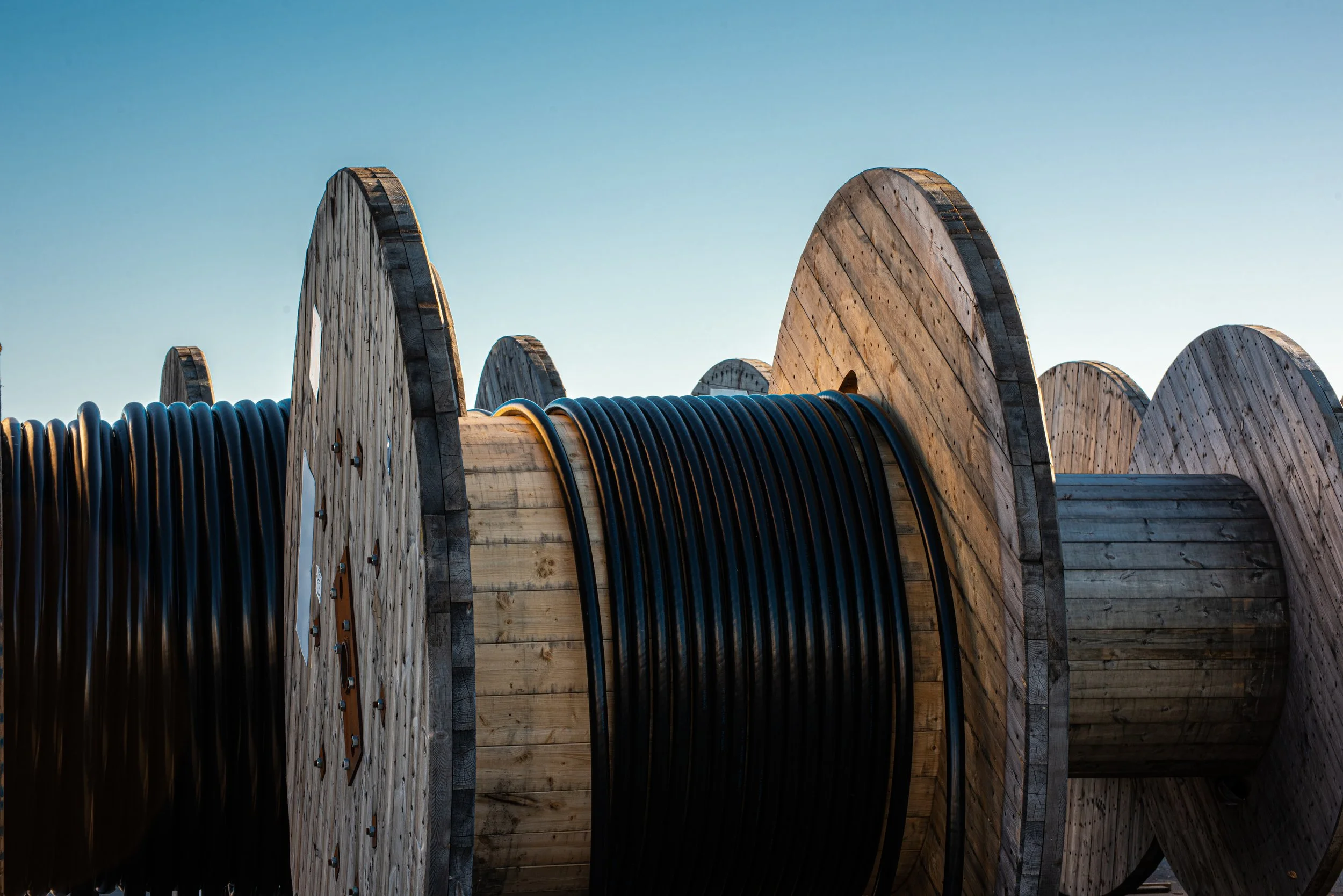
Materials follow the same pattern. Fiber cable, strand, hardware, and closures are all in demand from broadband and data center projects at the same time. Ordering long-lead items in the fourth quarter gives suppliers room to deliver before crews need them, rather than leaving a crew on site waiting for cable.
Budgets and Approvals Line Up in Q4
For many municipalities and cooperatives, next year's capital budget gets finalized in the last months of the year. A route that has a defined scope and a contractor estimate in hand is much easier to fund than a project that is still an idea.
Internet providers benefit in a similar way. A build that is scoped, priced, and scheduled before January can move straight into construction when conditions allow, while projects that start planning in the spring spend their best weather on paperwork.
What to Get Done Before January
The fourth quarter is the time to finalize routes and design so pole applications can go in. It is also the time to submit those applications, especially for larger orders that trigger longer review periods, and to order materials with long lead times.
Most importantly, it is the time to lock in a construction partner. Contractors fill their calendars early when a busy season is coming, and a spot on the schedule for April is worth much more than a promise to fit a project in by August. A contractor brought in early can also help with walkouts, constructability review, and sequencing, which catches problems while they are still cheap to fix.
Aerial work does not have to stop in winter, either. Routes that are already cleared can often be built during the colder months, which lets owners get ahead of the spring rush instead of joining it.
Book Your 2027 Build With TermLink
TermLink Solutions provides turn-key aerial fiber construction, splicing, and testing for internet providers, municipalities, cooperatives, businesses, and private landowners nationwide. Our Pennsylvania-based crews mobilize quickly and arrive fully equipped, and we help clients plan routes and schedules well before the first truck rolls.
If you have a build planned for next year, now is the time to get on the calendar. Contact our team to talk through your route and timeline.
