

The FCC Is Voting on Faster Environmental Reviews. For Fiber Builds, the Bottleneck Already Moved.
On September 30, the Federal Communications Commission votes on a plan to modernize how it handles environmental review under the National Environmental Policy Act (NEPA). It is being framed as a major step toward faster broadband deployment, and for some parts of the industry it will be.
For aerial fiber construction, though, the bigger story is already playing out in the field. Federal environmental review has become one of the fastest steps in a broadband build, and the delays that now decide construction schedules are happening at the local level. Here is what the FCC is voting on, how environmental review actually applies to fiber, and where build schedules are slipping today.
What the FCC Is Voting On
The FCC's draft order focuses on when its own actions count as a "major federal action" that triggers NEPA review. According to the FCC's fact sheet on the proposal, the order would find that issuing spectrum licenses and approving satellite operations do not qualify, which removes those decisions from NEPA review entirely. It would also update the rules for categorical exclusions, shorten the review period for environmental assessments, and set clearer procedures for emergencies.
The FCC points to industry estimates that NEPA compliance would otherwise cost more than $2 billion in permitting over the next decade. Most of that relief lands on wireless and satellite projects, since those are the deployments that depend on FCC licenses. The draft does not specifically address wireline or fiber construction. Other federal requirements, including historic preservation review and endangered species protections, still apply regardless of how the vote goes.
How Environmental Review Works for Fiber Builds
Aerial fiber projects rarely need an FCC license, so they usually meet federal environmental review through their funding source instead. For BEAD-funded builds, that agency is the National Telecommunications and Information Administration (NTIA).
NTIA streamlined that process in 2024. It adopted new categorical exclusions that cover the construction of aerial telecommunications lines, the addition of fiber to existing lines, and the rebuilding of cables within existing rights-of-way. A categorical exclusion means the project does not need a full environmental assessment or impact statement, as long as no extraordinary circumstances apply, such as endangered species habitat or historic properties along the route.
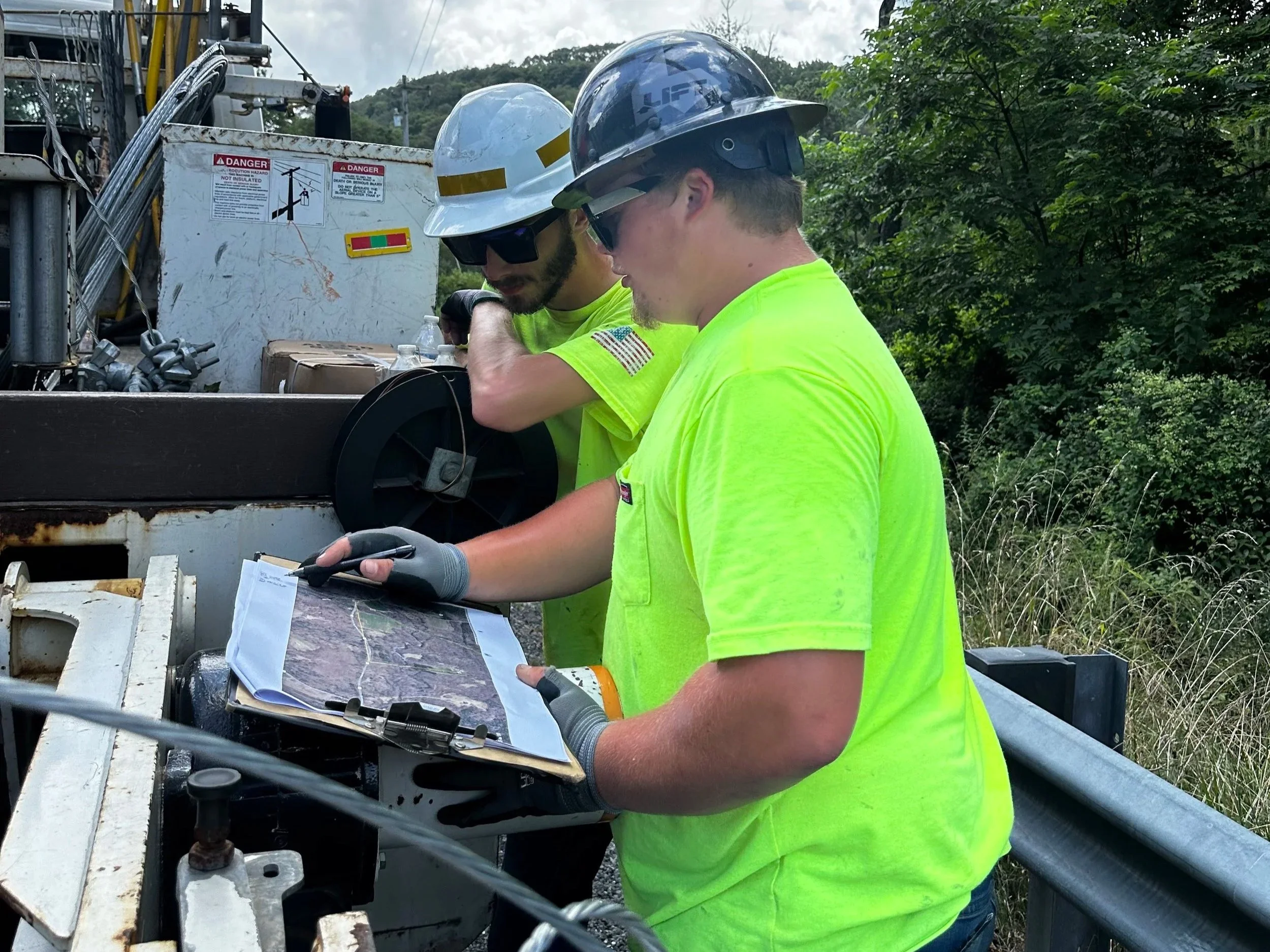
That matters for aerial construction in particular. Placing strand and fiber on an existing pole line disturbs very little ground, which is why most aerial routes qualify for the simplest level of review.
Reviews Are Already Moving Fast
The results are showing up in state reports. At an industry event on September 18, state broadband officials said federal environmental reviews now clear in two weeks or less, down from roughly six months under the old process. Louisiana has averaged about six days between submitting a review and receiving approval, with more than 55,000 reviews processed as projects move into construction.
For project owners, that is a real change. Environmental review used to be one of the longest items on a pre-construction schedule. On most aerial routes today, it is one of the shortest.
Where the Schedule Actually Slips Now
The same officials were clear about where the delays have gone. Utility pole access, road permits, and tower siting approvals are now the steps holding projects back. Virginia named poles and rights-of-way as its main obstacles, and Kansas is reshuffling about a third of its awarded project locations.
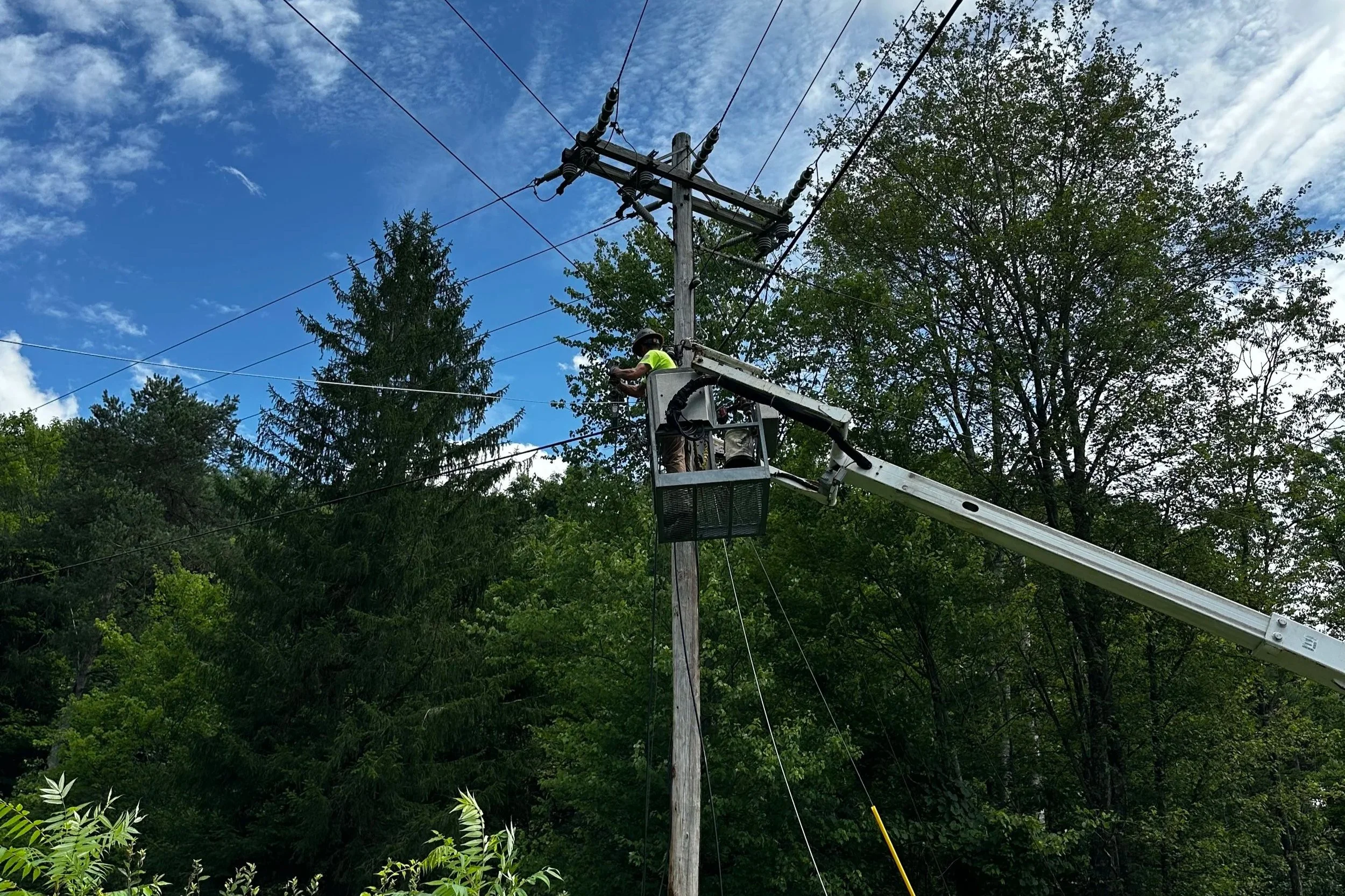
These are local problems, and they do not get solved by a vote in Washington. Pole attachment applications move at the pace of each pole owner, and make-ready work has to be finished before a crew can hang strand. Road and highway permits depend on the state or local authority that controls the right-of-way, and each one sets its own review times. A route can clear federal environmental review in a week and still wait months for the last pole or the last road crossing.
What This Means for Your Build Schedule
The practical takeaway is to plan the schedule around local approvals rather than federal ones. Pole attachment applications should go in as early as the design allows, since they now sit on the critical path for most aerial builds. Road and right-of-way permits deserve the same early start, especially on routes that cross state highways.
It also helps to build flexibility into construction. Crews that can shift to cleared sections of a route while other sections wait on poles or permits keep a project moving instead of sitting idle. For grant-funded builds, that flexibility can be the difference between finishing on schedule and asking for more time.
Finally, keep an eye on what the FCC adopts. The final order may change after the September 30 vote, and any follow-up action on wireline infrastructure would be worth tracking closely. For now, the fastest way through federal environmental review is still what it has been, which is building on existing poles where the ground stays undisturbed.
Keep Your Build Moving With TermLink
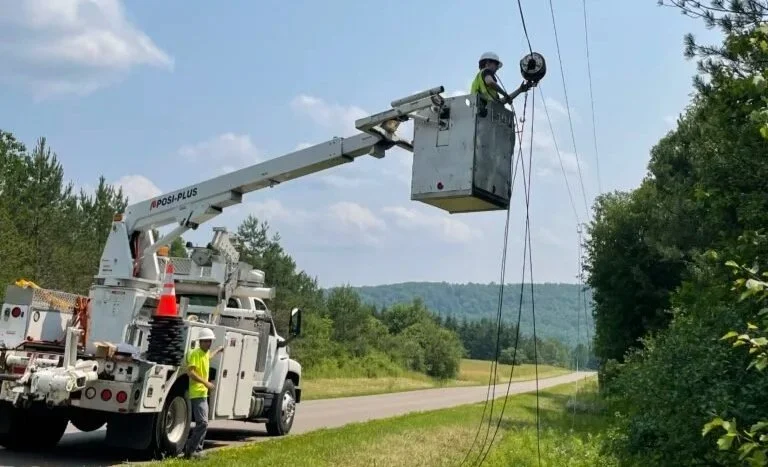
TermLink Solutions provides turn-key aerial fiber construction, splicing, and testing for ISPs, municipalities, cooperatives, and private landowners nationwide. Our crews work route by route, moving to cleared sections as approvals come in so schedules keep moving while the rest of the permits catch up.
If you are planning a build and want to talk through scheduling around poles and permits, contact our team.
