

October is Careers in Construction Month, a national campaign that puts a spotlight on the skilled trades and the people who choose them. Most of the attention goes to the trades everyone already knows. Aerial fiber construction rarely makes the list, even though it is one of the fastest-growing corners of the industry and one of the few where you can start with no experience and build a real career within a few years.
If you have ever driven past a bucket truck parked under a pole line and wondered what the crew was doing up there, this post is for you. Here is what the work involves, where most people start, and how a career in aerial fiber construction grows over time.
Why Fiber Needs People Right Now
Every high-speed internet connection in a home, a school, or a hospital runs on fiber that someone built. Right now, more of it is being built than at any point in the industry's history. Federal and state broadband programs are funding rural buildouts across the country, internet providers are expanding into new markets, and data centers are pulling long-haul fiber across routes that never needed it before.
All of that work depends on skilled crews, and there are not enough of them. A workforce study commissioned by the Fiber Broadband Association projected that the industry needs roughly 28,000 additional broadband construction workers and 30,000 more technicians to keep up with demand. That gap is not a short-term spike. The funding and construction schedules behind it stretch out for years, which means the people who enter fiber construction now are stepping into steady, long-term work.
What the Work Actually Is
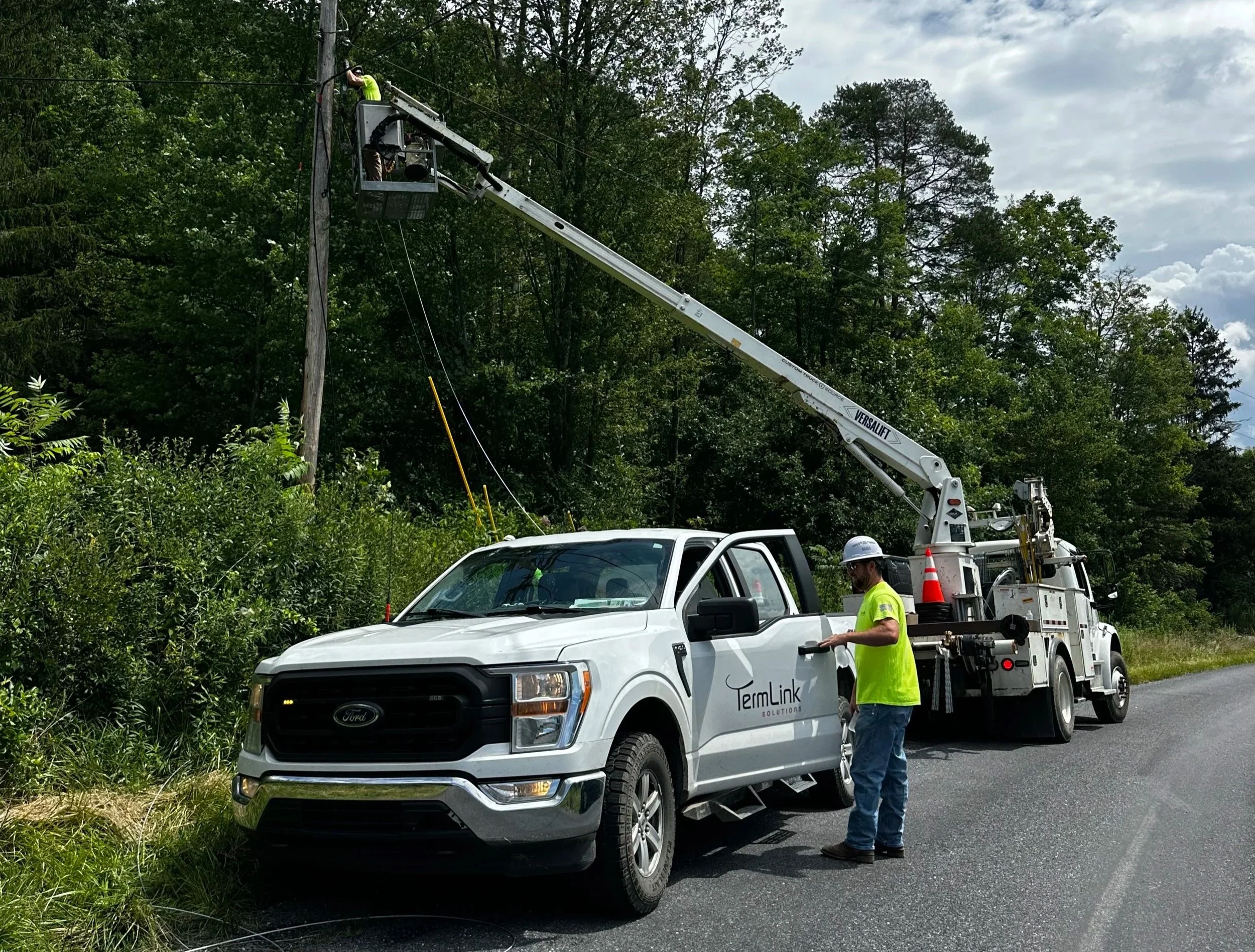
Aerial fiber construction means building fiber optic networks on utility poles. A crew installs a steel support cable called a messenger strand from pole to pole, then lashes the fiber cable to that strand with a continuous wrap of wire so it can hang safely for decades. After the cable is up, splicers join the individual glass fibers together and test every connection to confirm the network performs the way it was designed.
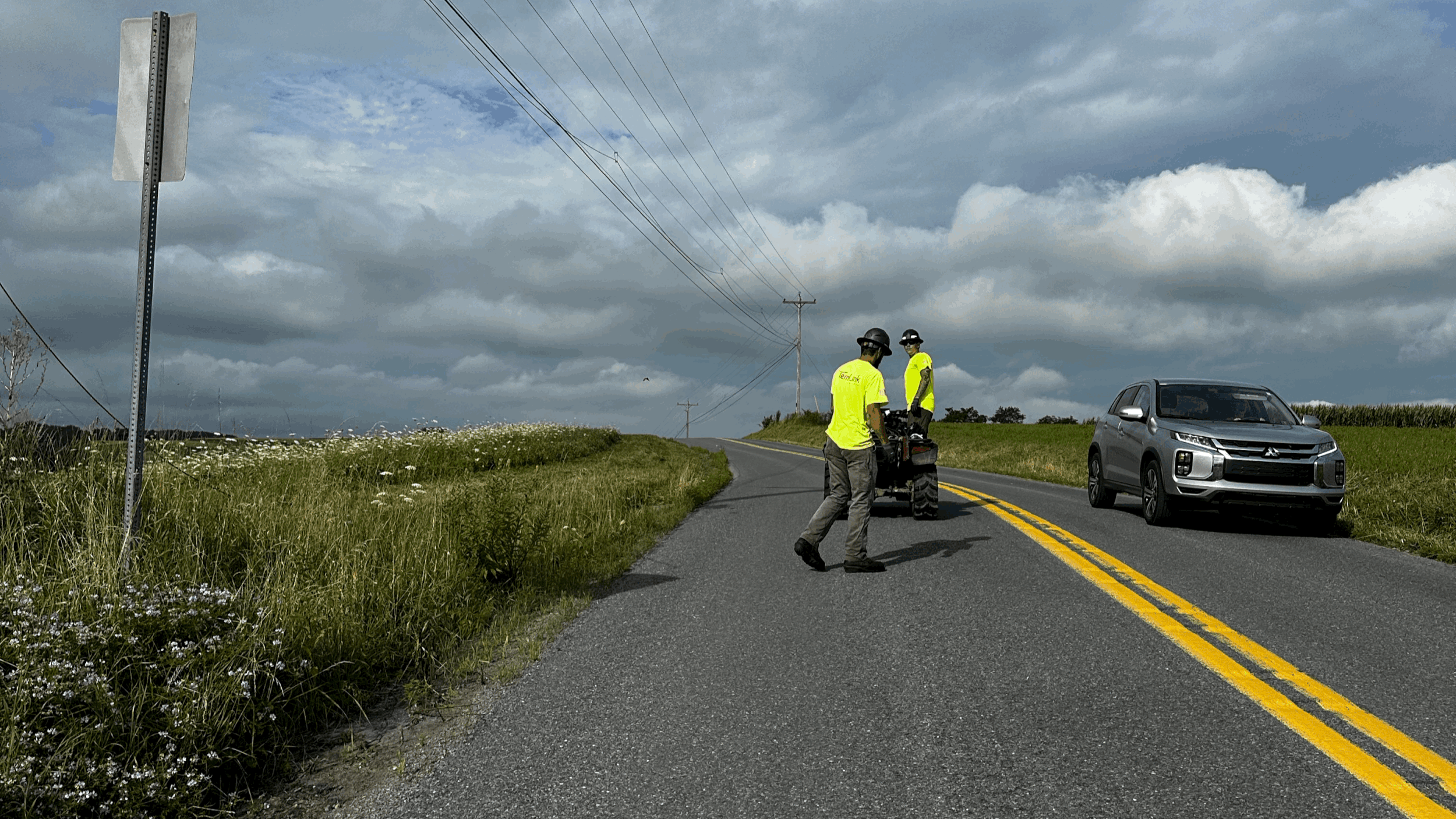
Most days are spent outdoors, in a bucket truck or on the ground supporting the crew above. The work happens in summer heat and winter cold, on rural roads and in town. Because TermLink builds fiber nationwide, travel is part of the job for many of our crew members, and a project can take you somewhere new every few months.
Where Most People Start
Almost everyone in aerial fiber starts on the ground. A groundhand supports the crew by handling cable reels, setting up work zones, passing tools and hardware up to the bucket, and learning the name and purpose of every piece of equipment on the truck. It is the most important learning stage of the career, because it teaches you how a build comes together before you are responsible for building it.
You do not need a college degree to get here. According to the Bureau of Labor Statistics, most line installers enter the field with a high school diploma and learn through long-term on-the-job training. That is exactly how it works on our crews. Trey, one of our newer crew members from Northern Cambria, came to TermLink after technical school and has spent his first months learning the work from people who have been doing it for years.
How the Career Builds From There
Once a groundhand knows the equipment and the routine, the next step is usually aerial work. Linemen work from the bucket, installing strand, lashing cable, and mounting hardware on the pole. This stage brings more responsibility, including working within the clearance rules that govern aerial fiber near power lines and other attachments.
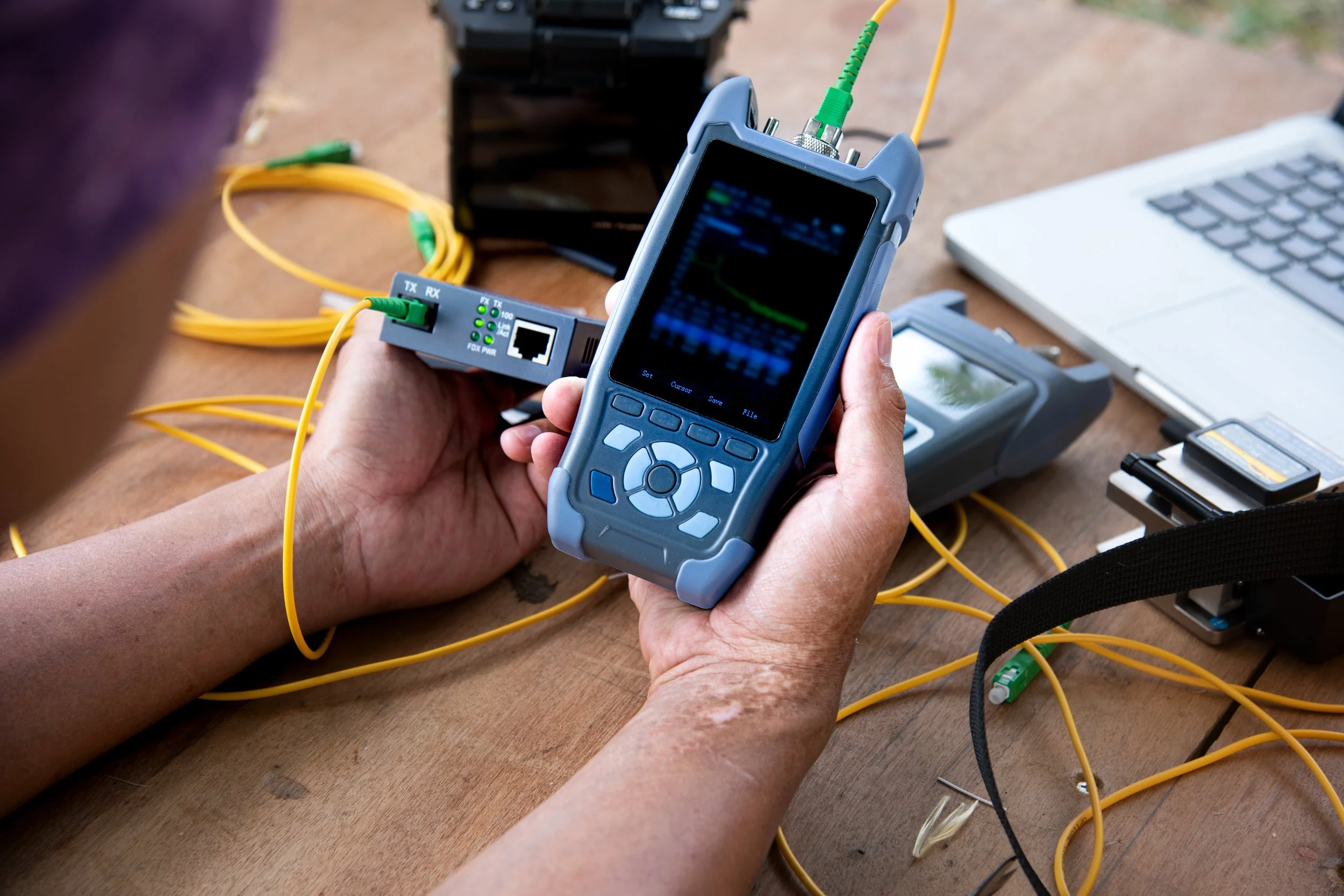
Some crew members move into splicing, which is its own specialized skill. Splicers use fusion splicers to join fibers with an electric arc, organize those splices inside closures, and run tests that prove the network is ready for service. It is precise work, and experienced splicers are some of the most sought-after people in the industry.
With time, the strongest crew members move into foreman roles. A foreman reads the construction prints, runs the daily plan, keeps the crew safe, and serves as the point of contact with the customer. Every step up the ladder adds responsibility, and it builds a skill set that transfers to fiber projects anywhere in the country.
Training That Helps You Get There Faster
Most of what you learn in aerial fiber happens in the field, but formal training can give you a head start. Technical school programs in electrical work or telecommunications build a useful foundation. A commercial driver's license makes you more valuable to any crew that runs bucket trucks and line trucks.
The Fiber Broadband Association also offers the OpTIC Path fiber technician program, which combines up to 144 hours of classroom instruction and hands-on skills training. Graduates earn a three-year certification, and the program is offered through community colleges and training centers around the country. It is a strong option for anyone who wants to learn fiber fundamentals before their first day on a crew.
What Makes Someone Good at This Work
The people who do well in aerial fiber construction share a few things in common. They show up on time and ready to work, because a crew depends on every person being there. They take safety seriously, since working at height and around energized lines leaves no room for shortcuts. They are comfortable outdoors in all kinds of weather, and they are willing to travel when the work calls for it.
Most of all, they want to learn. Nobody walks onto a job site knowing how to lash a span or splice a closure. The crew members who ask questions and pay attention to the people around them are the ones who move up the fastest.
Build Your Career With TermLink
Fiber construction offers something that is hard to find in a lot of careers. You can start without a degree, get paid while you learn, and build skills that are in demand across the entire country. At the end of every project, you can point to a community that has faster, more reliable internet because of work you did with your own hands.
TermLink Solutions is hiring groundhands, linemen, and splicers to join our crews. If you are ready to start a career in aerial fiber construction, apply on our employment page or contact our team with your questions. We would be glad to talk with you about where this work can take you.
