

As BEAD projects move from awards into design and procurement, one requirement starts showing up in every materials conversation. Federally funded broadband infrastructure falls under Build America, Buy America, usually shortened to BABA, and that rule reaches all the way up the pole.
For providers building with BEAD money, BABA decides where the cable on the strand came from and where the steel in the strand itself was made. It also decides what paperwork has to exist to prove both. Getting it wrong can put grant dollars at risk, and getting it right takes planning before the first reel is ordered.
Here is how BABA applies to the materials on an aerial fiber build and how to keep a project compliant from the warehouse to the pole line.
How BABA Sorts Materials
BABA sorts what goes into a federally funded project into three main groups, and each one has its own test.
Iron and steel products have to be produced in the United States from the initial melting stage all the way through the application of coatings. Under the federal definitions in 2 CFR 184.3, an item counts as an iron or steel product when iron and steel make up more than half the cost of its components.
Manufactured products have to be manufactured in the United States, and domestic components generally have to make up more than 55 percent of the total component cost.
Construction materials have to go through all of their manufacturing processes in the United States. That same federal definition lists fiber optic cable, including drop cable, as a construction material, and it lists optical fiber separately.
Where Each Part of an Aerial Build Lands
Fiber optic cable
Cable is the biggest line item on most aerial routes, and it is also where BEAD's rules are the most firm. When NTIA issued its BEAD waiver in February 2024, it gave limited relief on certain non-glass inputs to the cable. As Wiley's summary of the waiver explains, NTIA declined to broaden that relief to allow fiber made outside the United States.
The practical result is simple. The cable lashed to the strand on a BEAD job, including figure-8 and ADSS designs, needs to be domestic. If you are still choosing a cable type for your route, our post comparing aerial fiber cable types covers the tradeoffs.
Strand and steel hardware
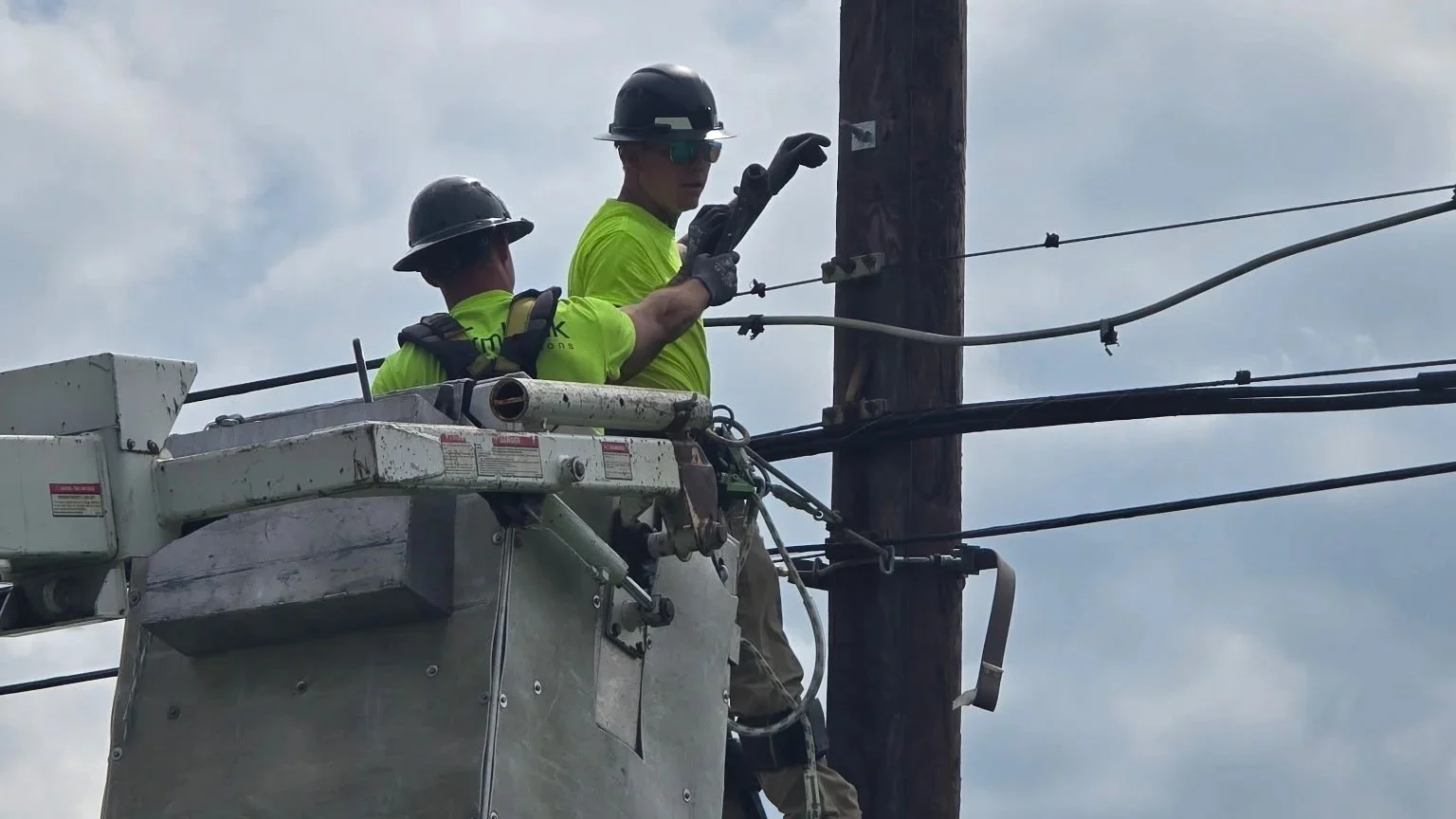
This is the part of BABA that catches aerial projects off guard. Galvanized steel strand is predominantly steel, so it falls under the iron and steel standard. The same is true of most steel pole line hardware. Because the standard runs from melting through coating, a strand product made from imported steel does not qualify just because it was galvanized or finished here.
The BEAD waiver does not list iron and steel among the categories it relieves. Product classification can get technical, so providers should confirm how their state broadband office treats specific hardware items before ordering in volume.
Closures and terminals
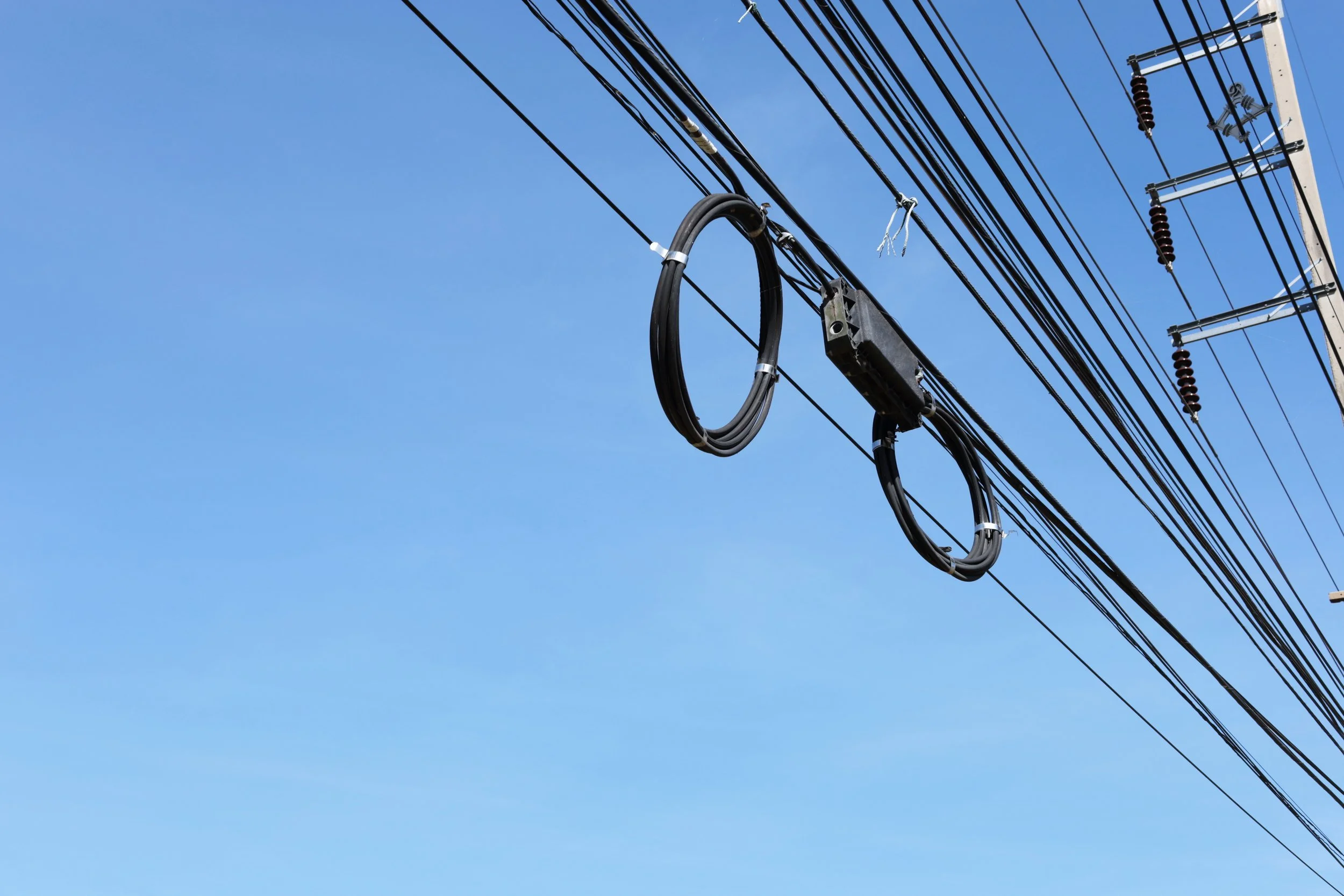
Enclosures that protect the network, including splice closures and terminals, are covered by the BEAD waiver. The waiver still spells out certain manufacturing steps that have to happen domestically for each enclosure type, so it is worth checking that a product meets those steps instead of assuming every closure qualifies.
Electronics
Most passive optical equipment and electronics are waived. Four categories are not, including OLTs and the ONTs installed at the customer location. Those are usually handled by the provider's network team rather than the construction crew, but they belong on the same compliance checklist.
The Paperwork Behind Compliance
BABA compliance is proven with documents, not good intentions. NTIA's BABA compliance and documentation requirements put responsibilities on several people in the supply chain.
Manufacturers provide certification letters for items that have to be produced domestically. Each letter identifies the product and where it was manufactured, and it has to be signed by an authorized representative. Suppliers and distributors pass that documentation along to the provider. Providers keep the letters on file and produce them when the state or NTIA asks. Recipients are also expected to write BABA requirements into their solicitations and agreements, which means contractors and vendors are part of the chain too.
Waived electronics have their own reporting. Subrecipients keep a tracker of those items, and the state forwards that information to NTIA in its semi-annual reports.
Where Compliance Usually Breaks
On paper, a compliant materials plan is straightforward. In the field, compliance tends to slip in a few predictable places.
Substitutions on site. A crew runs short of a clamp or a reel of lashing wire and pulls from general truck stock. That one swap can put a non-compliant item on a grant-funded pole. Keeping BEAD materials staged separately and labeled clearly prevents it.
Unclear material responsibility. If the agreement does not say who furnishes which materials, it is easy for nobody to collect the certifications. Spell out who buys each item and who holds the paperwork before construction starts.
Late orders. Domestic-only products can carry longer lead times when demand spikes, and BEAD is driving demand across the whole country at once. Ordering early protects both compliance and the schedule. On a BEAD job, a delay that forces a crew to demobilize also eats into the provider's share, which we covered in our post on protecting your BEAD match during construction.
The Bottom Line
BABA touches nearly everything on an aerial fiber build, from the cable to the steel strand that carries it. The BEAD waiver gives some relief on enclosures and most electronics, but cable and steel remain firmly in scope. Providers who plan materials early and collect certifications as they go will avoid an expensive surprise when the paperwork is reviewed.
This post is general information. Confirm specific requirements with your state broadband office and the terms of your award agreement.
TermLink Solutions builds turn-key aerial fiber nationwide for internet providers and municipalities, with crews experienced in the documentation grant-funded projects require. If you are planning a BEAD build and want a construction partner who keeps compliance in mind from day one, contact our team.
