

Most of the attention on BEAD right now is on first-round awards moving into contracts and design. Meanwhile, a second round is quietly taking shape behind them.
On September 3, NTIA released the BEAD Supplemental Deployment Policy Notice. It lets states use a portion of their leftover BEAD money to reach locations that are still unserved after the first round, including locations that fell through because a provider defaulted on another federal or state program. For internet providers and the communities waiting on service, it is a second chance. For anyone planning construction, it is a new wave of work with a long runway before it reaches the pole line.
Here is how the second round works and what providers can do now to be ready for it.
What the Supplemental Deployment Notice Does
NTIA is building a new list of unserved locations for each state using the FCC's broadband map data. According to the Benton Institute's breakdown of the notice, locations can land on that list for three main reasons. Some were removed from other funding programs after a provider default. Some were incorrectly reported as served in earlier versions of the map. Others are new unserved locations that did not appear in the data the first time around.
Once a state receives its list, it runs an abbreviated challenge process. As NACo explained for county officials, internet providers and local governments can take part, but challenges can only remove locations from the list. Nothing new can be added through the challenge.
After NTIA approves the final list, the state runs a second Benefit of the Bargain round to award the work. Lerman Senter's summary of the notice notes that this round has to be conducted within 90 calendar days of NTIA's approval.
The Funding Cap Changes the Math
The most important detail for construction planning is how much money each state gets for this round. NTIA sets a ceiling based on the state's average cost per location from its first-round plan, multiplied by the number of locations on the new list.
That sounds reasonable until you look at what kind of locations are likely to be left. Second-round locations tend to be the scattered ones. Think of the farmhouse at the end of a long road, or the handful of homes a defaulted provider never reached. Benton points out that the formula assumes these locations will cost about the same to serve as the original average, which may not hold up.
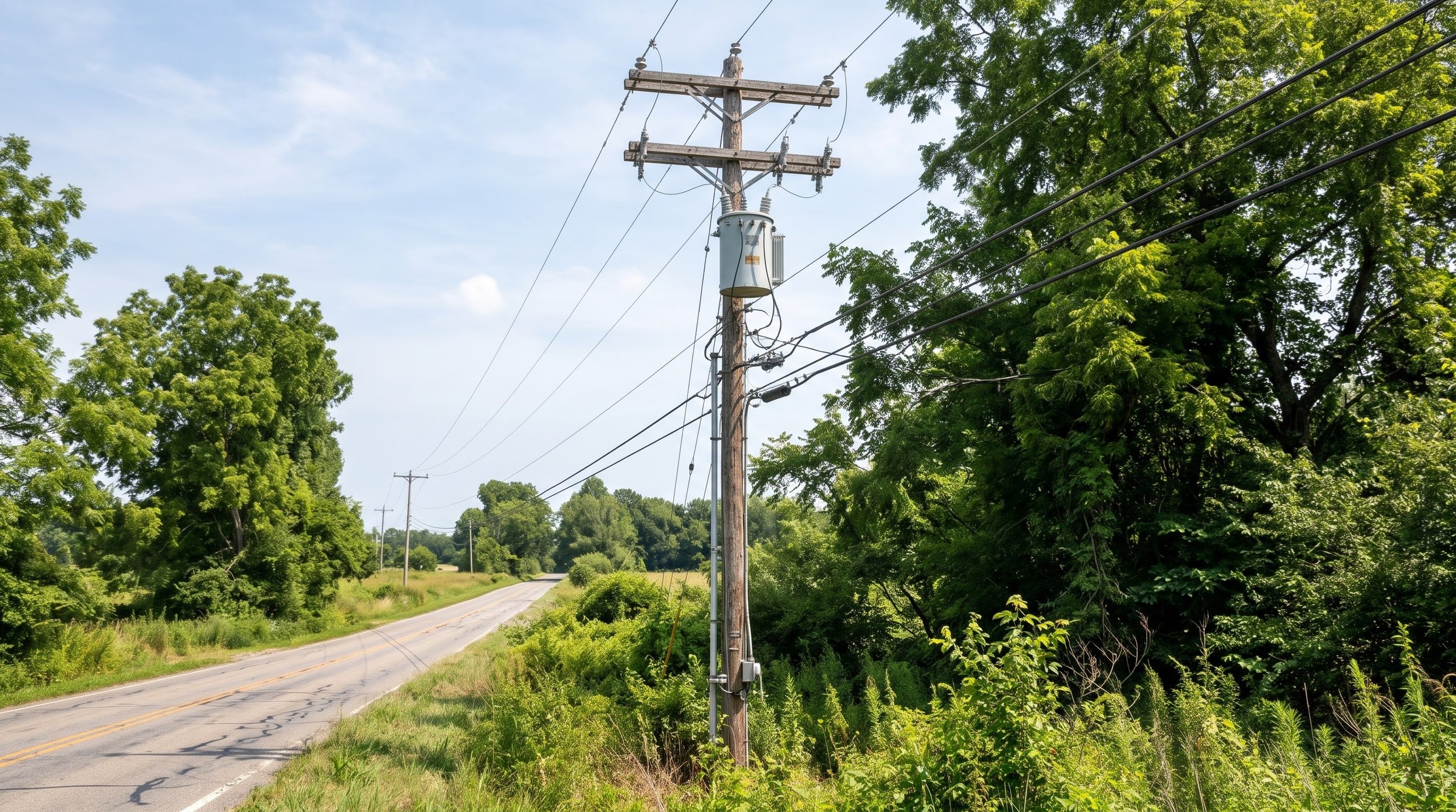
States are expected to serve every location on the list within that ceiling. In practice, that puts real pressure on cost per location. Builds that extend from existing plant on existing pole lines will be the ones that pencil out, especially when make-ready stays under control.
How Long Before Construction Starts
The notice lays out a series of steps, and each one has its own clock. States get 30 days to review the list. They then publish it and open a 30-day challenge window, followed by another 30 days to decide challenges. After NTIA approves the list, the state has 90 days for the second bidding round, and NTIA has up to 90 days to review the resulting plan.
Benton estimates that the process will add nine months or more to BEAD, and that assumes no delays. NTIA's review of each state's list does not have a stated deadline, so the real timeline could run longer.
Add the time it takes to sign agreements and work through design and pole attachments after awards are made, and most second-round construction is realistically a 2028 story. Some states will move faster than others, but very little of this work will reach the pole line in 2027.
What This Means for the Build Calendar
The second round will not compete with first-round construction in 2027 as much as it will extend it. Crews building first-round projects next year will likely roll straight into second-round work the year after. For providers, that has a few practical implications.
First-round routes can set up second-round wins
Many second-round locations will sit near networks being built right now. A provider that designs its first-round routes with some spare fiber count and well-placed splice points will be in a much stronger position to extend service to nearby second-round locations at a low cost per location. That cost advantage is exactly what the funding cap rewards.

Build records will matter in the challenge process
Challenges in this round have to be backed by evidence, and planned service needs documentation like construction records and pole attachment agreements. Providers with clean records of where their network actually reaches will have an easier time protecting their service areas. We covered why those records matter more than ever in our post on the GAO's review of federal broadband programs.
Crew capacity in 2028 is worth thinking about now
If first-round construction peaks in 2027 and second-round work follows in 2028, contractors will be busy for several seasons in a row. Providers who expect to compete in the second round should be thinking about construction partners well before awards are announced. Our post on why Q4 is the time to book next year's build explains how early planning protects a construction schedule, and the same logic applies on a longer timeline here.
The Bottom Line
The BEAD Supplemental Deployment Notice gives states a path to reach the locations the first round missed, but it adds months of process before any of that work is ready to build. The providers best positioned for the second round are the ones building smart first-round networks today, with room to extend and records that prove where service reaches.
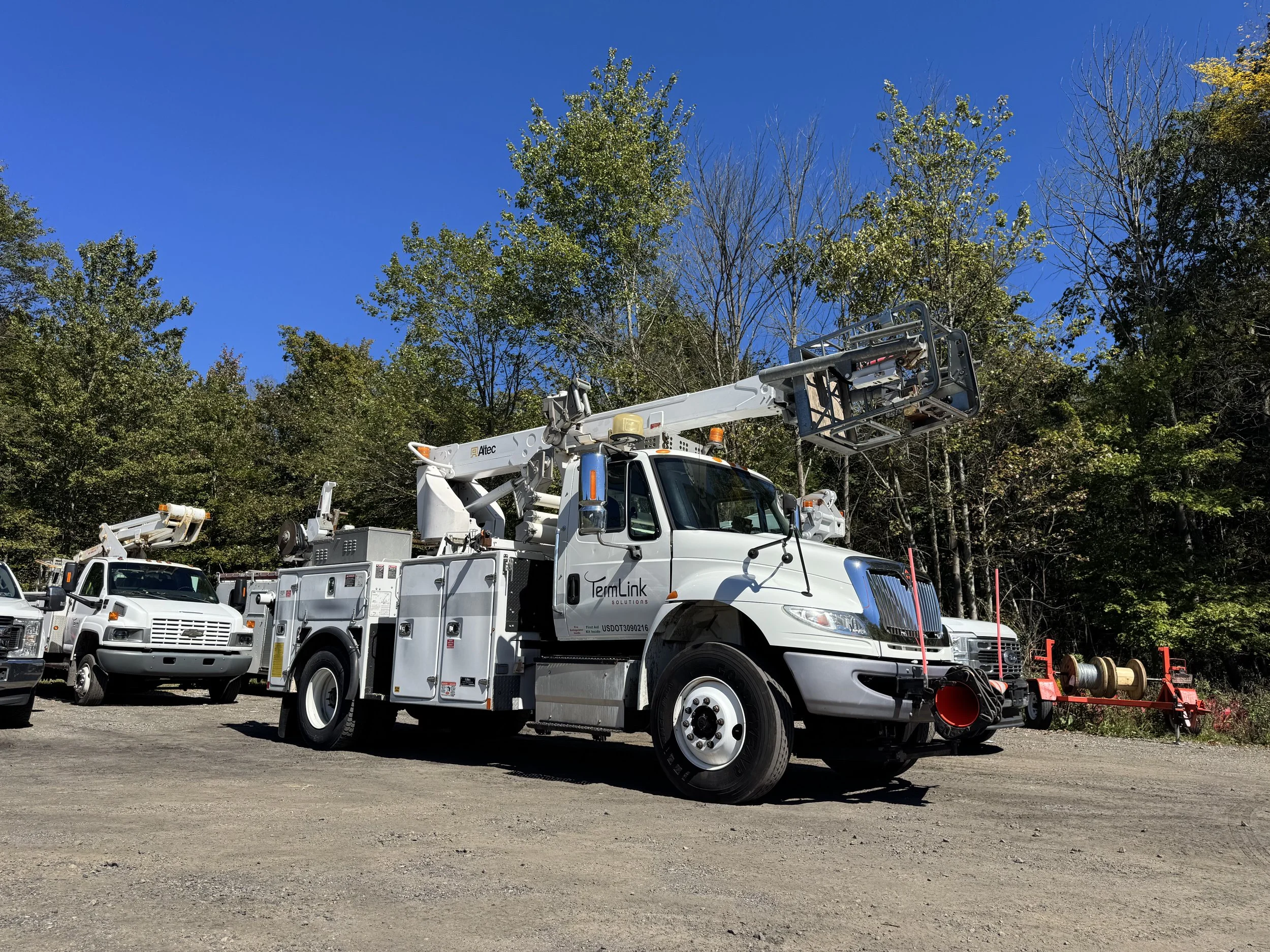
TermLink Solutions builds turn-key aerial fiber nationwide for internet providers and municipalities, with crews experienced in grant-funded projects from design and mapping through splicing and testing. If you are planning for both rounds of BEAD, contact our team to talk through a construction plan that covers 2027 and beyond.
