

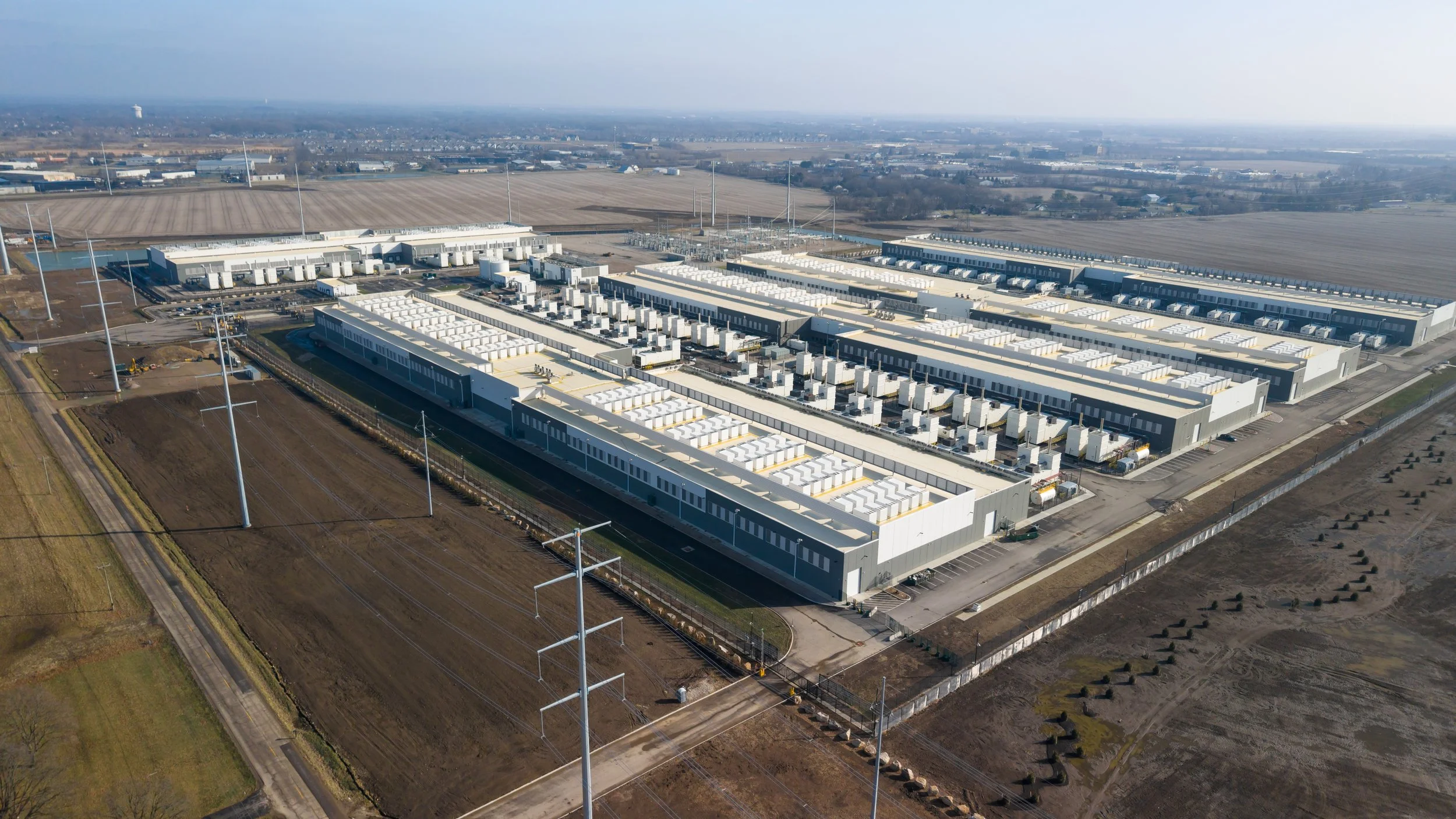
For most of the internet's history, data centers clustered around a handful of big metro hubs. That pattern is changing fast. Artificial intelligence needs enormous amounts of power, land, and water, and developers are finding those resources in rural counties instead of crowded cities.
Every one of those facilities needs fiber, and a lot of it. Here is why AI data centers are heading to rural areas, what that means for long-haul and regional fiber, and where aerial construction fits into the buildout.
Most New Data Centers Are Going Rural
The shift shows up clearly in the numbers. A Pew Research Center analysis published in April found that 67 percent of planned U.S. data centers are headed for rural areas, compared with just 13 percent of the facilities operating today. The South and Midwest account for about three quarters of planned construction.
The reasons are practical. Established hubs are running short on affordable land and available power, and AI facilities need far more of both than traditional data centers. Rural counties with strong electrical infrastructure, open land, and room to grow have become the new target for developers.
Why AI Needs So Much More Fiber
A data center is only as useful as its connections. AI workloads move huge volumes of data between facilities, and the companies running them want multiple high-capacity paths so that no single cut takes a site offline.
The Fiber Broadband Association's data center white paper estimates that U.S. fiber route miles will need to grow from about 95,000 to 187,000 by 2029 to keep up, which is nearly double today's footprint. The same paper warns that gaps in long-haul and regional connectivity can hold back economic development and raise costs, even in communities that already have strong local fiber.
Carriers and suppliers are responding at scale. In September, Verizon and Corning announced a multi-year supply agreement for more than 80 million miles of fiber from 2027 through 2032. That fiber will support both broadband expansion and the long-haul backbone that AI companies need to link their data centers.
The Backbone Is Only Part of the Build
Long-haul routes get most of the attention, but a new data center in a rural county creates fiber work well beyond the backbone. Each site needs connections from the main route to the campus itself, and most operators want at least two diverse paths so a single failure cannot isolate the facility.
Those connections often travel along rural roads and existing utility corridors, where pole lines are already in place. Aerial construction on those pole lines can move quickly compared with building a new path from scratch, which matters when a data center has a firm energization date and needs fiber in place before it opens.
Utility corridors are especially relevant. Many data centers are sited near high-voltage transmission lines and substations for power, and those same corridors can carry fiber. Depending on the route, that may mean cable designed for long spans on utility structures or traditional lashed cable on distribution poles.
What It Means for Rural Communities
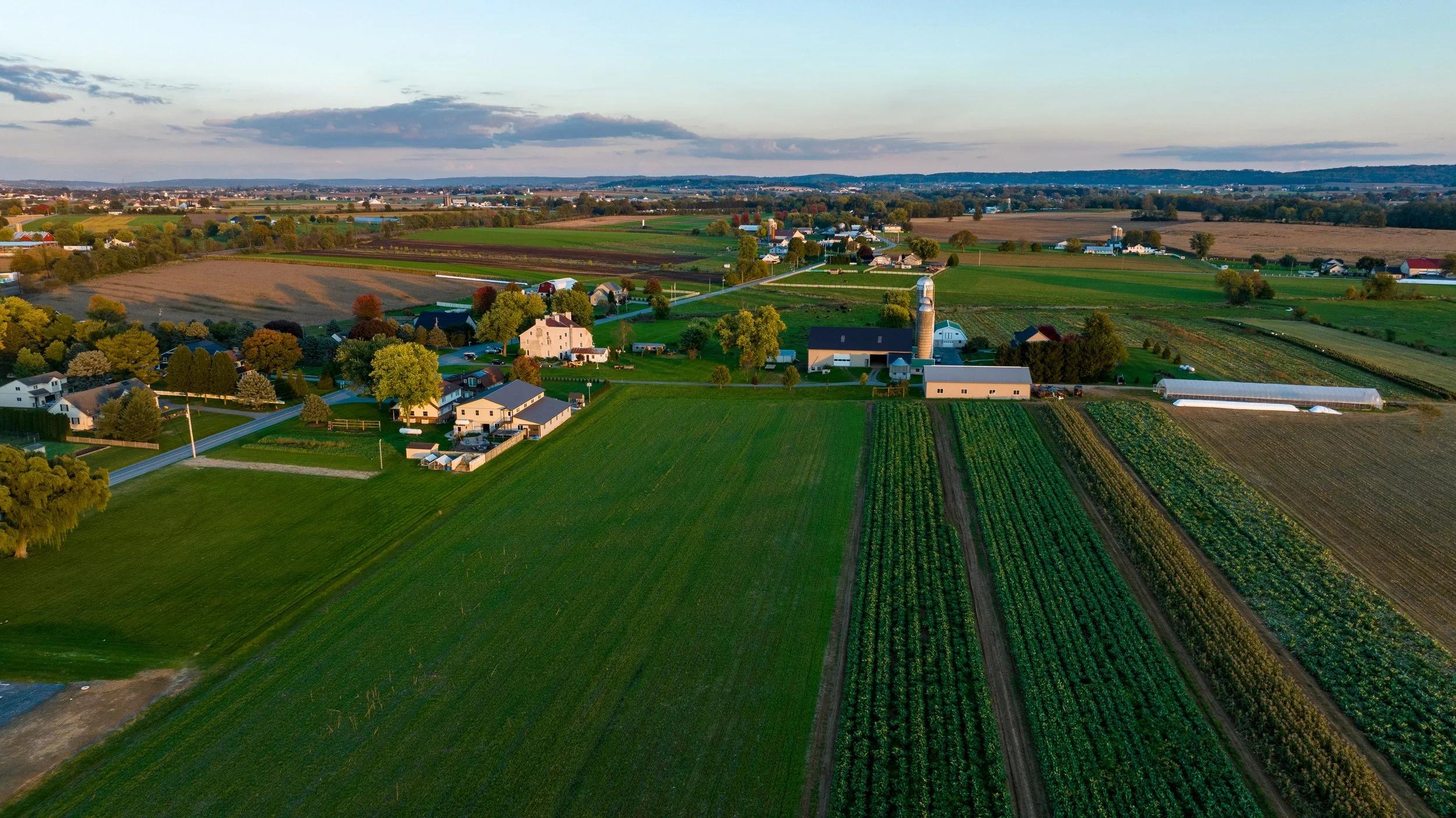
The fiber that serves a data center does not have to serve only the data center. When a new backbone or regional route passes through a rural county, it can create a path for local internet providers to reach homes and businesses that were expensive to serve before. The Verizon agreement is a good example, since the same fiber supply is meant to support both AI infrastructure and tens of millions of new broadband passings.
That overlap gives rural counties a real opportunity. Communities that plan ahead can push for routes that include local access points, and providers can connect to regional fiber that did not exist a few years ago. For areas that have been waiting on better service, a data center project nearby may bring the middle-mile capacity that makes last-mile builds affordable.
What It Means for Construction
For fiber contractors, the rural data center boom adds a new layer of demand on top of BEAD and private provider work. Projects tend to run on tight schedules, since a data center that is ready for power but waiting on fiber is costing its owner money every day.
That puts a premium on crews that can mobilize quickly, work efficiently on long rural routes, and deliver clean splicing and test documentation. It also raises the importance of planning. Pole attachment approvals and make-ready work on rural pole lines can take time, and routes serving data centers usually need to be engineered for diversity from the start rather than added later.
For internet providers and municipalities, the takeaway is to watch where data centers are being planned. A project announced in a neighboring county today may bring regional fiber, pole line work, and crew demand to the area within a few years.
Build the Connections With TermLink
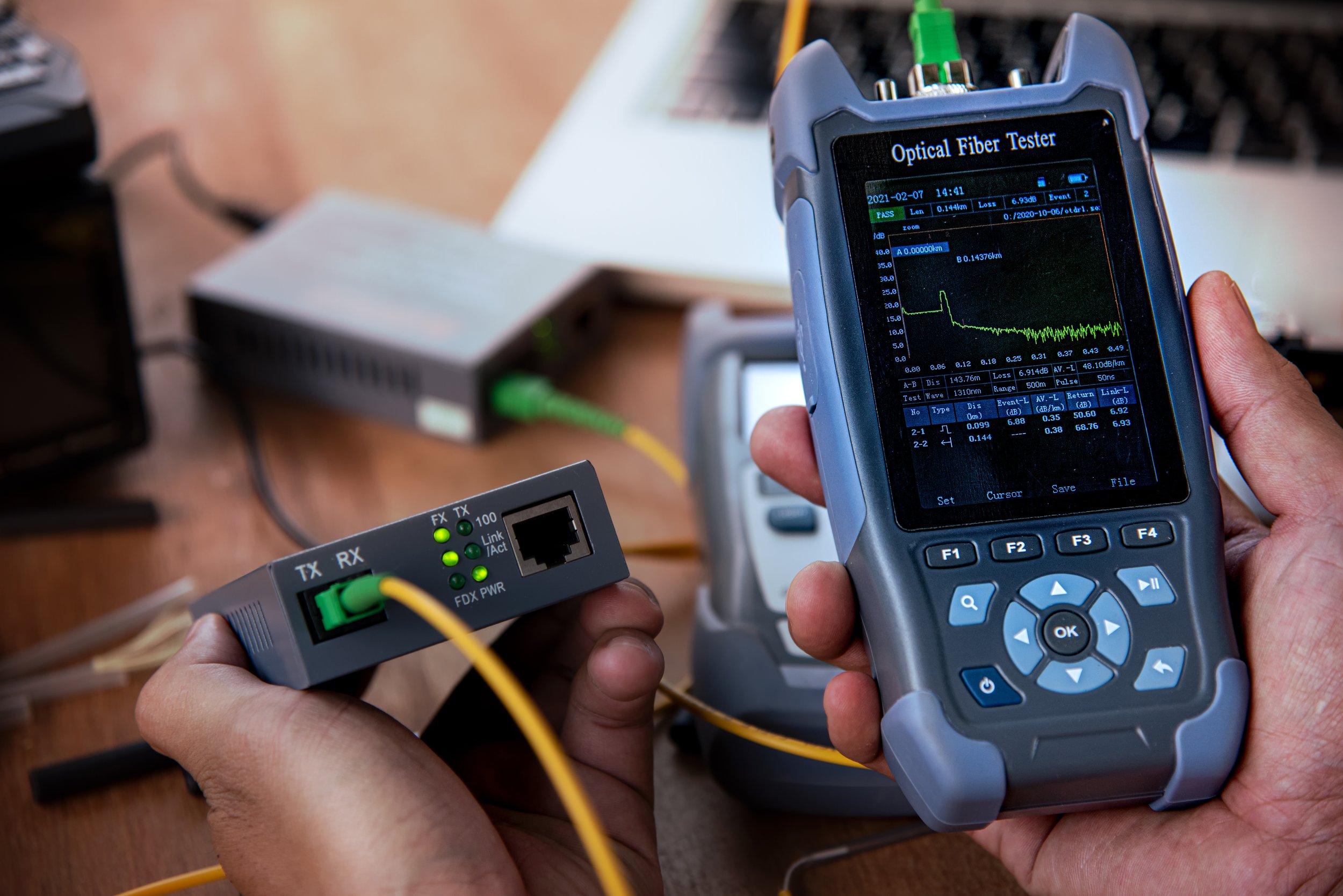
TermLink Solutions provides turn-key aerial fiber construction, splicing, and testing for internet providers, municipalities, businesses, and private landowners nationwide. Our crews are built for long rural routes and tight schedules, and we deliver complete test results and documentation on every span.
If you are planning fiber to support a data center project or a regional route through a rural area, contact our team to talk through the build.
