Right-of-Way vs. Easements vs. Franchise Agreements: What Fiber Projects Actually Need

Every fiber project has to cross land that someone else owns or controls. That is the central legal reality of building any telecommunications network, and it generates a lot of confusion because the three most common terms for solving that problem, rights-of-way, easements, and franchise agreements, are often used interchangeably when they mean very different things. An ISP that asks a municipality for an easement when it needs a franchise will waste months. A municipality that grants a franchise when a fiber route actually needs private easements will end up in disputes with landowners who were never compensated.
This guide breaks down what each legal instrument does, when each one applies, and how fiber projects actually secure the legal access they need before construction can start. For ISPs, municipalities, rural broadband cooperatives, and property owners, understanding these distinctions saves time, money, and legal exposure.
Rights-of-Way: Public Land Already Dedicated to Transportation and Utilities
A right-of-way, often abbreviated ROW, is land that has been legally set aside for public passage or public utility use. Streets, highways, sidewalks, and the strips of land alongside them are the most common examples. A municipality or government agency typically owns or manages the ROW, and infrastructure operators such as water utilities, electric utilities, gas companies, and telecommunications providers can place facilities within the ROW subject to the managing agency's rules and permit requirements.
Rights-of-way are the preferred path for most fiber construction because they already carry legal authority for utility placement. A fiber route running along a public road is following an established ROW that does not require negotiation with every adjacent property owner. That is why aerial fiber routes follow existing utility pole lines along roads, and why most underground fiber follows public street corridors rather than cutting across private land.
The authority of state and local governments to manage public rights-of-way, including the right to require fair and reasonable compensation from telecommunications providers using them, is preserved under Section 253 of the Telecommunications Act. That federal law simultaneously prohibits state and local governments from effectively prohibiting telecommunications service while preserving their authority to manage the public ROW. The tension between those two principles is why ROW access is heavily regulated.

Easements: Limited Rights Across Private Property
An easement is a legal right to use a specific portion of someone else's private property for a defined purpose. The underlying land stays in the property owner's hands, but the easement holder gains the right to do certain things on that land, typically running utility lines, accessing equipment for maintenance, or crossing for a specific use.
Easements are the mechanism by which fiber projects gain access to private land when the route cannot stay within public ROW. Common scenarios include rural builds where service drops cross private property to reach a home, backbone routes that shortcut between public ROW segments, and tower sites or equipment huts on private parcels. A recorded easement gives the fiber operator the legal right to build and maintain facilities on that land, usually in perpetuity and binding on future owners of the property.
Easements come in two main flavors. A utility easement is typically granted to a single operator or narrow class of utilities, with specific rights and limits spelled out in the recorded document. An easement dedicated for compatible uses is broader, authorizing a category of compatible infrastructure without naming every specific operator. Whether a later fiber operator can piggyback on an existing utility easement depends on the specific wording of the original easement and applicable state law, and courts have split on how broad compatible use can be interpreted.
Easements are acquired in one of three ways: voluntary negotiation with the landowner, which is the preferred approach; purchase at a price the landowner is willing to accept; or eminent domain through a court process, which is available only to operators with legal condemnation authority. Most private ISPs do not have condemnation authority and have to rely on voluntary agreements.
Franchise Agreements: The Contract That Governs Operating Within a Jurisdiction
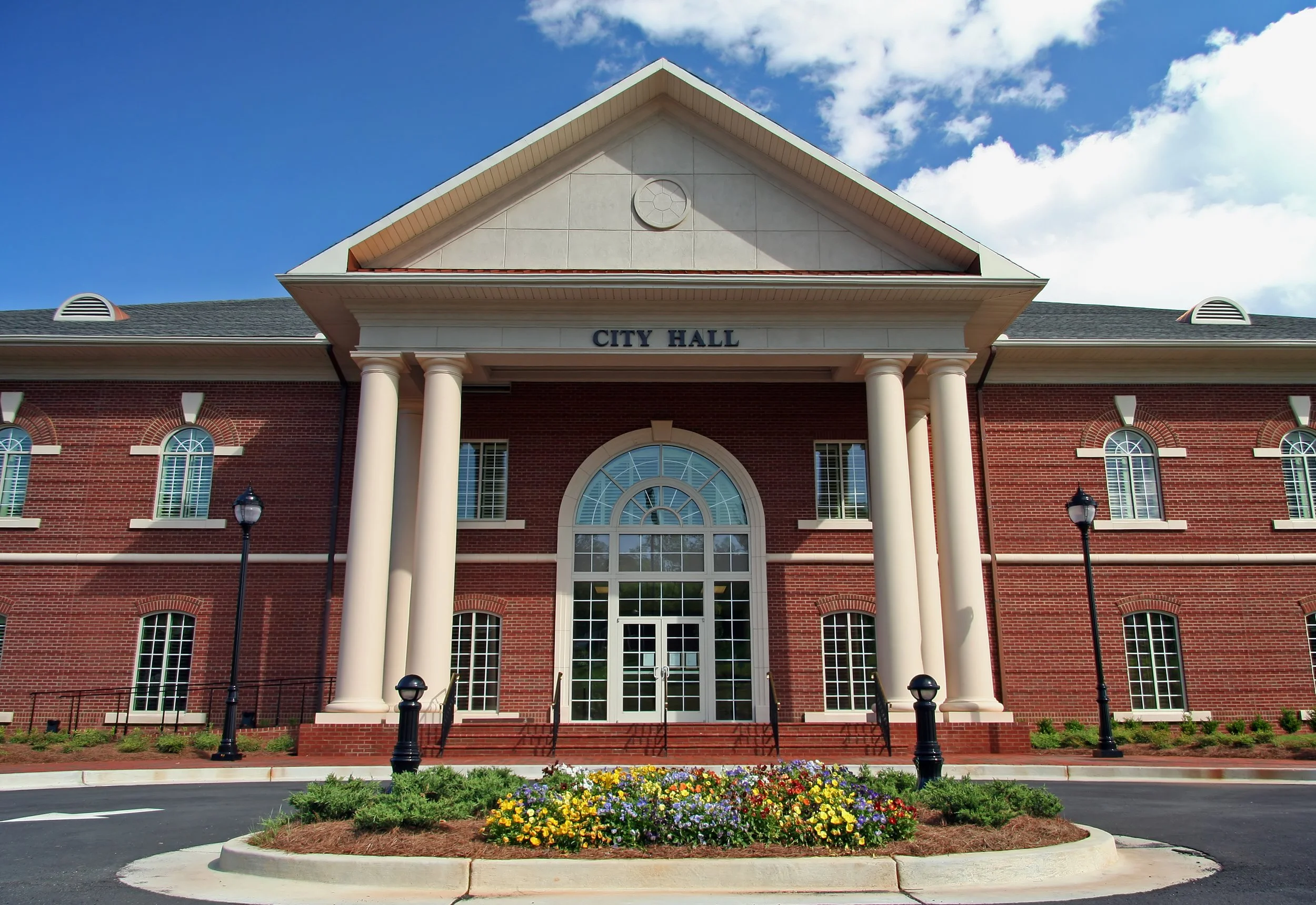
A franchise agreement is a contract between a government entity, typically a municipality or county, and a telecommunications operator that authorizes the operator to provide service and use the public rights-of-way within that jurisdiction. A franchise does not grant a specific easement or a specific ROW access permit. It grants the broader, ongoing right to operate as a telecommunications provider within the municipality subject to the agreement's terms.
A typical franchise agreement covers service coverage area, term length, ROW access procedures, construction standards and restoration, insurance and bonding, compensation to the municipality, and transfer restrictions. The Municipal Research and Services Center guidance on ROW franchising walks through the practical issues that arise when multiple utilities share a common corridor, which is most of the real-world complexity of managing competing infrastructure in limited public space.
Franchise agreements matter because they set the ground rules for every access request that follows. Once an operator has a franchise in place, individual ROW permit applications go faster and cleaner because the baseline legal framework already exists. An operator without a franchise who shows up asking for a construction permit is starting from zero.
The distinction between a franchise and an easement confuses a lot of project managers. A franchise does not give an operator the right to cross private property. It gives the operator the right to operate within a jurisdiction and use the public ROW. If the fiber route cuts across private land, the operator still needs an easement from that landowner.
How the Three Work Together on a Real Fiber Project
A typical municipal fiber build uses all three instruments simultaneously. The operator holds a franchise agreement with the municipality, which authorizes it to operate in the jurisdiction and use the public ROW. The operator obtains specific ROW construction permits for each segment running along public streets. The operator negotiates and records private easements with individual landowners wherever the route leaves public ROW to cross private property.
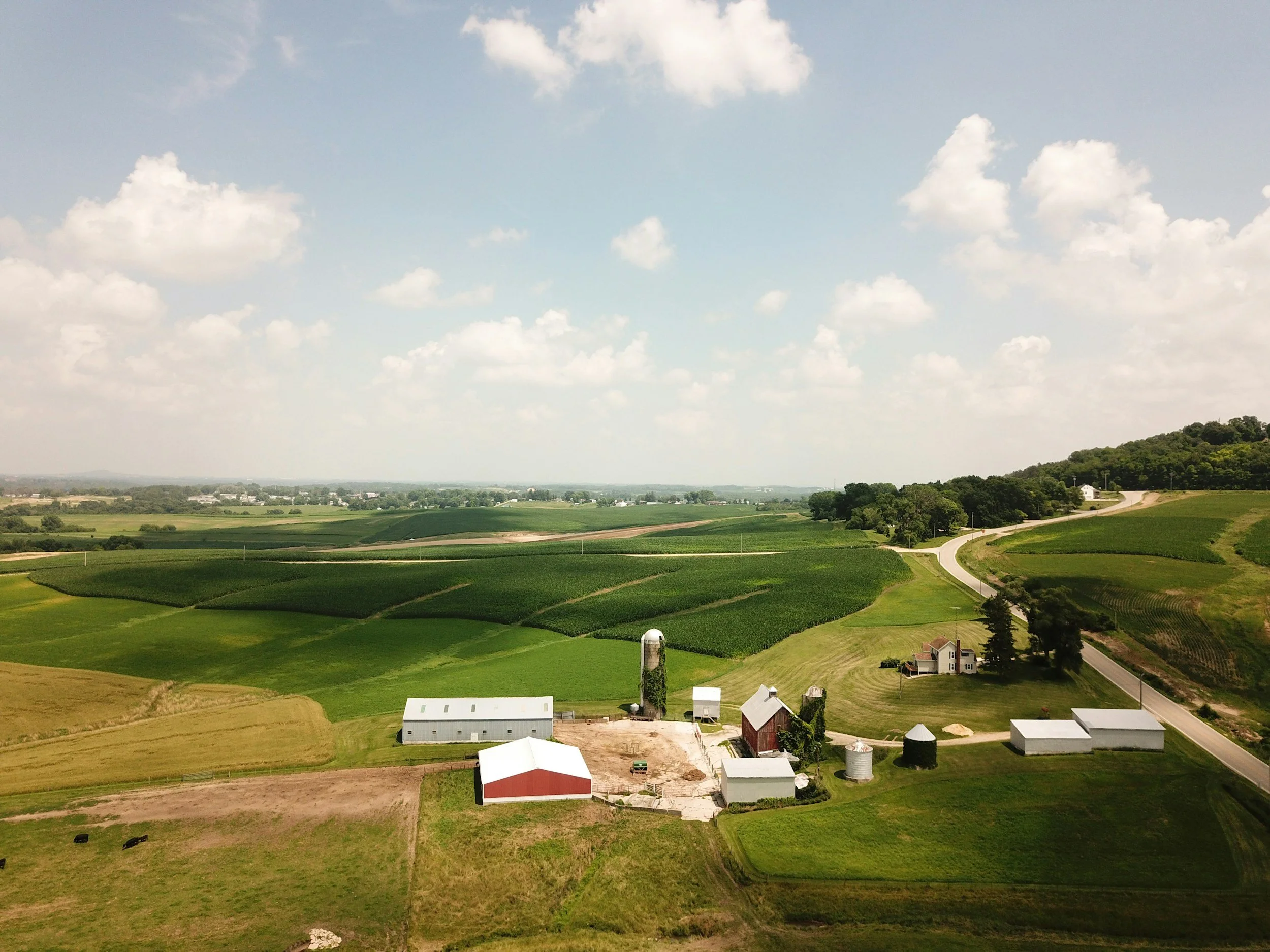
A rural fiber buildout adds another layer because rural routes frequently leave ROW and follow private property lines for long distances. A route running along a section-line road may use public ROW for most of its length, but the backhaul segment that cuts across agricultural land to reach a community anchor requires private easements from every parcel owner along that segment. An operator who starts construction without those easements is trespassing.
Pole attachment agreements with electric utilities are a separate category that often gets mixed into this conversation. A pole attachment agreement authorizes an operator to hang fiber on a specific utility's poles, which are typically within public ROW but owned by the electric or telephone utility, not the municipality. These agreements are governed by federal and state rules distinct from franchise agreements, but they are often a prerequisite for using the aerial ROW that a franchise technically authorizes.
Where Projects Go Wrong
The most common failure is assuming a franchise covers easement issues. Operators who hold a municipal franchise sometimes assume they can run fiber wherever they need to within the municipal boundary, only to discover mid-construction that a particular segment crosses private land where they have no legal right to be. The fix is negotiating easements under time pressure, which favors the landowner and raises costs.
The second common failure is ignoring state-level variations. Franchise authority, ROW management rules, and easement acquisition procedures vary substantially from state to state. A contractor without local regulatory experience can create compliance gaps that surface during inspection or during later disputes.
The third common failure is under-documenting easement rights. A handshake agreement with a rural landowner that is not properly recorded at the county recorder's office does not bind the landowner's successor when the property changes hands. Operators that skip the recording step save money at acquisition and pay for it years later when a new owner disputes the fiber's right to be there.
The fourth common failure is mismatched timing. ROW permit processes, easement negotiations, and franchise approvals all operate on their own timelines, and rural projects with grant deadlines routinely underestimate how long the legal access work takes. A project that looks like a 12-month construction schedule can stretch to 18 or 24 months once the access work is properly sequenced.
What Network Owners and Contractors Should Do Before Construction
Every fiber project should start with a legal access audit that identifies every jurisdiction the route passes through, every piece of private property the route crosses, and every utility whose poles or conduits the route uses. The audit produces a list of required franchises, easements, pole attachment agreements, and ROW permits, along with the realistic lead time each one will take to secure.
The audit then drives the project schedule. Construction cannot start until legal access is in place for every segment the crew will touch. Projects that sequence construction by legal access readiness rather than by geographic convenience move smoothly. Projects that start before the access work is complete stop and start repeatedly, burning crew hours and damaging relationships with landowners and municipalities.

Legal Access Is the Foundation of Every Fiber Network
Rights-of-way, easements, and franchise agreements are not interchangeable legal tools. Each one solves a specific access problem, and a well-run fiber project uses all three in combination, sequenced correctly against the construction schedule and documented in recordable form that survives ownership changes and regulatory turnover.
TermLink Solutions works alongside ISPs, municipalities, electric cooperatives, and rural broadband managers to execute fiber construction that respects the legal access framework the network will operate under for decades. Our crews understand how franchise agreements, easements, ROW permits, and pole attachment agreements fit together. If you are scoping a new fiber project and want to make sure the legal access foundation is solid before construction starts, reach out to our team and let's build your network on a foundation that will hold up.
