
For years, speed has been treated as the ultimate differentiator in infrastructure work. Faster timelines. Faster mobilization. Faster closeout. On paper, speed looks impressive. In practice, it often hides deeper issues.
As the infrastructure sector moves into 2026, that mindset is starting to crack.
Owners, partners, and experienced professionals are paying closer attention to something else entirely: consistency. Not how fast a team can move once, but how reliably they can perform every day, across every phase of a project, without surprises.
Speed may still get attention. Consistency is what earns trust.
The Industry Is Reaching a Tipping Point
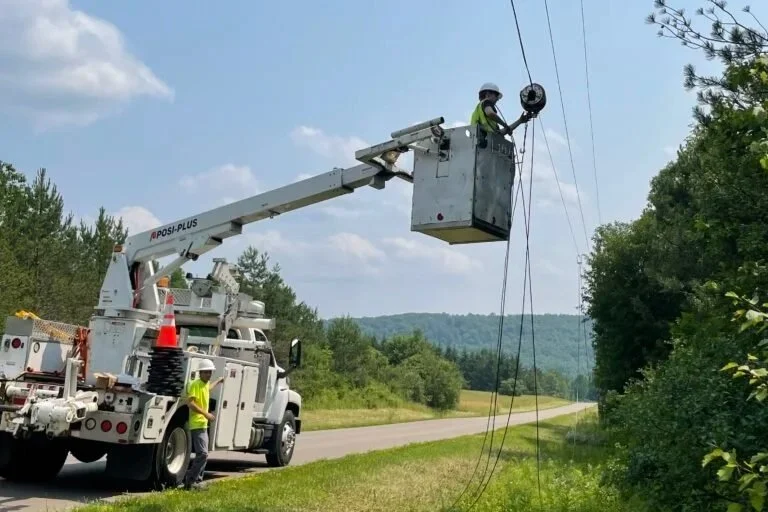
Infrastructure projects today are larger, more complex, and more interconnected than ever before. Timelines overlap. Stakeholders multiply. Margin for error shrinks.
At the same time, workforce pressure continues to rise. Experienced professionals are harder to replace. Turnover is more expensive. Rework carries consequences far beyond schedule delays.
In this environment, speed without discipline is no longer a strength. It is a liability.
Projects are no longer judged by how quickly crews arrive, but by how predictably work is executed from start to finish. Consistency in infrastructure projects is becoming a form of risk management, not just an operational preference.
Speed Solves the Short Term. Consistency Protects the Long Term.
Speed can help recover a delayed milestone. It can create momentum. It can even look impressive in a progress update.
But speed does not guarantee:
Clear communication
Repeatable processes
Stable teams
Predictable outcomes
Consistency does.
A consistent operation produces fewer surprises. It reduces rework. It protects safety standards. It keeps expectations aligned between leadership, crews, and partners.
In 2026, infrastructure leaders are recognizing that predictability is more valuable than urgency. A steady, disciplined pace outperforms rushed execution over the life of a project.
Why Owners and Partners Are Reprioritizing Reliability
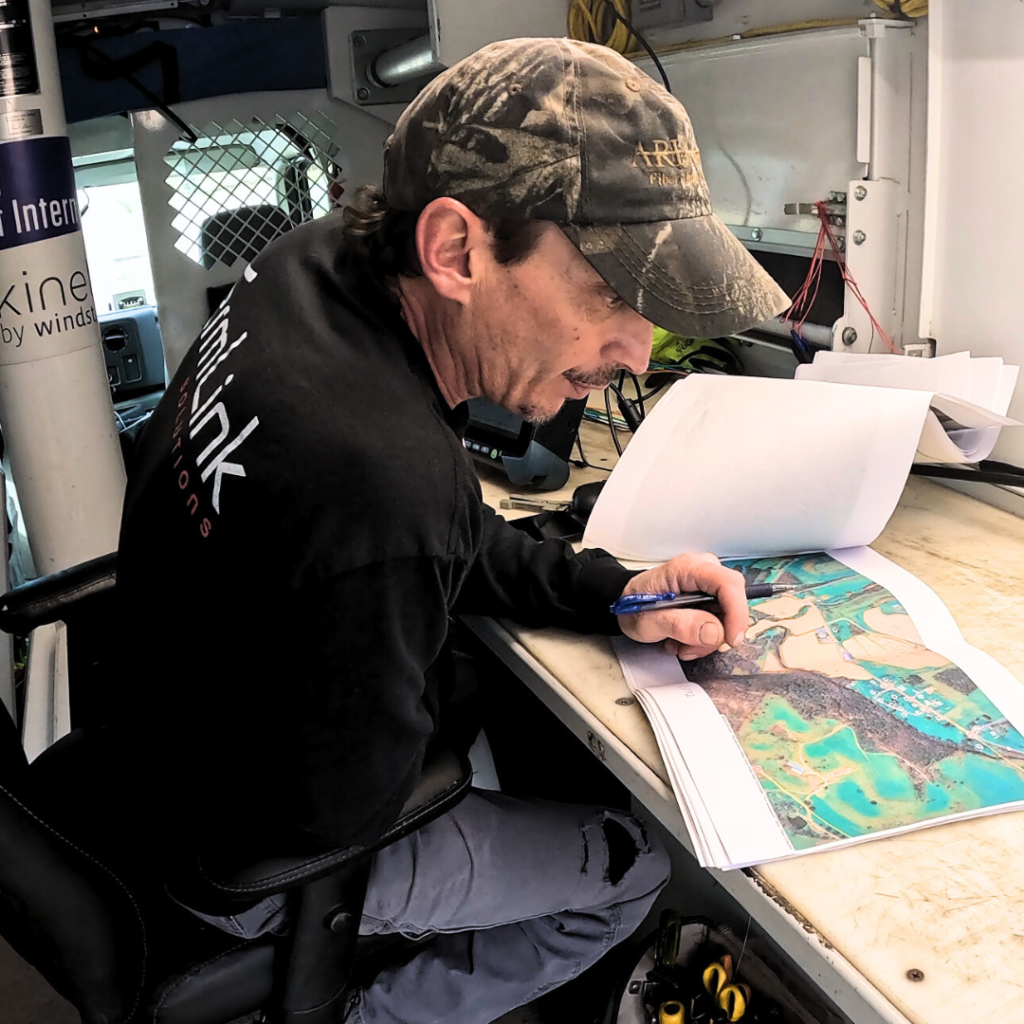
From an owner or partner perspective, the biggest risks are rarely visible on day one. They emerge slowly through missed details, inconsistent execution, and communication breakdowns.
That is why infrastructure project reliability is moving higher on the decision-making checklist.
Show up prepared
Execute the same way on good days and hard days
Maintain standards under pressure
Communicate clearly before issues escalate
In contrast, teams built around speed often rely on individual effort instead of systems. When conditions change, results change with them.
As 2026 approaches, partners are choosing teams they can count on without constant oversight. Consistency builds that confidence.
Workforce Stability Is Driving the Shift
Another major factor shaping this trend is workforce behavior.
Experienced professionals are becoming more selective. They are choosing job sites where expectations are clear, leadership is steady, and standards do not change week to week.
Inconsistent environments create stress, burnout, and turnover. Disciplined environments create stability.
Infrastructure workforce stability is no longer just an HR issue. It directly affects execution quality, safety, and long-term performance. Companies that prioritize consistency attract people who value professionalism and longevity.
This shift is already happening. By 2026, it will be unavoidable.
Consistency Is a Leadership Signal
There is also a quiet leadership shift underway in infrastructure work.
The loudest teams are no longer seen as the strongest teams. Calm, controlled execution is becoming the signal of experience.
Consistent leadership looks like:
Clear expectations set early
Systems that support the field
Decisions that align with long-term outcomes
Standards that do not change under pressure
This type of leadership does not rely on constant urgency. It relies on preparation and follow-through.
As projects grow more complex, disciplined execution in construction becomes a defining leadership trait.
The Hidden Cost of Inconsistency
Inconsistency rarely shows up as a single failure. It shows up as:
Small delays that compound
Rework that erodes margins
Communication gaps that create friction
Trust that slowly weakens
By the time these issues become visible, they are expensive to fix.
In contrast, consistency creates compounding benefits. Each predictable outcome reinforces confidence. Each stable handoff reduces friction. Each clear expectation saves time later.
This is why consistency in infrastructure projects is becoming a competitive advantage rather than a background expectation.
What This Means for 2026 and Beyond
As infrastructure investment continues and competition increases, the market will reward teams that operate with discipline, clarity, and reliability.
Speed will still matter, but it will no longer be the headline. It will be the byproduct of systems that work, teams that stay, and standards that hold.
In 2026, the most respected infrastructure teams will not be the ones moving the fastest. They will be the ones delivering results the same way, every time.
Final Thought
Consistency is not flashy. It does not trend well on social media. It rarely makes headlines.
But it is the foundation of trust, performance, and long-term success.
As the infrastructure industry moves forward, the teams that understand this early will quietly set the standard for everyone else.
